
AI and Human Creativity: A New Playbook for Collaborative Innovation
When I first started experimenting with generative models, I expected a quiet, almost mystical handoff—AI would simply produce finished pieces and I could sit back and admire the results. What I discovered instead was a noisy, exhilarating conversation where every prompt sparked a cascade of unexpected ideas, and every unexpected output forced me to ask “why?” and “what next?”. This back‑and‑forth quickly revealed that the real power of artificial intelligence lies not in replacing the human mind, but in stretching its boundaries, inviting us to see familiar problems through a kaleidoscope of fresh perspectives. In the same way a good jam session thrives on each musician listening as much as playing, AI thrives when we treat it as a collaborative partner rather than a silent servant.
Myth‑Busting: AI Is Not a Creative Replacement
One of the most persistent stories in tech circles is that AI will soon write the headlines, compose the symphonies, and design the products without human input. While the algorithms can certainly generate impressive drafts, they lack the lived experience, cultural context, and emotional nuance that give creative work its resonance. I’ve watched teams celebrate a stunning AI‑generated concept, only to realize that the spark that made it truly meaningful came from a human who recognized a subtle cultural reference or a market pain point. By acknowledging AI’s limits—its reliance on existing data, its propensity for echo chambers—we can position it as a catalyst that amplifies our intuition rather than a substitute for it. This mindset shift is essential for any organization that wants to harness AI without surrendering its own voice.
Embedding Generative Tools Into Everyday Brainstorms
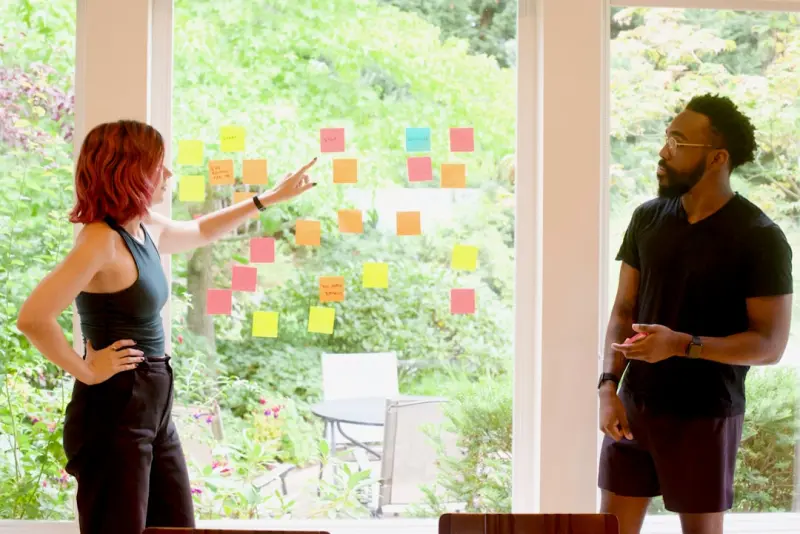
To move from novelty to necessity, we need to embed AI into the very rhythm of our brainstorming sessions. Instead of reserving a tool for the “final polish”, I invite my team to start a meeting by feeding a loose prompt into a generative model and then collectively riffing on the output. The AI’s suggestions often surface connections we would never have considered, acting like a digital whiteboard that never runs out of ink. For those who fear the process becoming too mechanical, the hidden power of plugins can help—tiny extensions that inject personality, enforce style guides, or surface relevant research in real time, turning a bland list of ideas into a vibrant tapestry of possibilities. The key is to keep the conversation fluid: let the model propose, the team critique, the model iterate, and so on, until the spark settles into a viable concept.
AI as a Divergent Thinking Engine
Traditional creative processes often begin with a narrow focus, narrowing ideas until the most viable one emerges. AI, by contrast, thrives on divergence, flooding the space with a multitude of variants that can be filtered, combined, or discarded. I’ve seen a marketing team take a single tagline generated by an algorithm, slice it into fragments, and recombine those fragments into an entirely new campaign that resonated far better with their audience. This approach mirrors the “yes, and…” principle from improvisational theater—every AI suggestion is a “yes”, a starting point for further exploration, while the human team provides the “and”, the critical context that shapes the final narrative. By deliberately structuring sessions to capture the breadth of AI output before narrowing focus, we create a fertile ground where truly original concepts can surface.
Guardrails: Preventing Over‑Reliance and Bias
Even the most sophisticated model inherits the biases and blind spots of its training data, which means unchecked reliance can amplify stereotypes or reinforce outdated assumptions. In my experience, the moment a team stops questioning an AI recommendation is the moment the danger sneaks in. To counter this, we establish simple guardrails: a quick “bias check” after each AI suggestion, a mandatory cross‑reference with diverse source material, and a rotating “human skeptic” role that challenges every output. These practices keep the conversation grounded and ensure that the technology serves as a bridge—not a barrier—to inclusive, thoughtful creativity. Remember, the most valuable insight often comes from the friction between what the model offers and what we know to be true.
Integrating AI Seamlessly Into Your Toolset
Adopting AI doesn’t mean overhauling every workflow overnight; it means layering intelligent assistants onto the tools you already trust. For example, a design team might attach a generative sketch assistant to their existing vector software, while a content group could embed a language model into their editorial CMS. The challenge is to maintain the reliability of the underlying hardware and software—just as we follow laptop longevity strategies to keep devices humming for years, we must apply similar discipline to our AI integrations, updating APIs, monitoring performance, and archiving model versions. This disciplined approach prevents the “shiny‑object” trap and ensures that AI remains a steady, supportive layer rather than an unpredictable add‑on.
Measuring Creative Impact Beyond Clicks
Traditional metrics—page views, conversion rates, time on page—capture the quantitative side of success, but they often miss the qualitative shift that AI‑enhanced creativity brings. To truly gauge impact, we track metrics like idea velocity (how many viable concepts emerge per session), cross‑functional adoption rates (how many departments incorporate AI suggestions), and sentiment analysis of internal feedback (do team members feel more inspired?). By pairing these softer indicators with hard data, we build a holistic view that validates the strategic value of AI in the creative pipeline. Over time, these metrics reveal patterns: perhaps a particular prompt style yields higher idea velocity, or certain guardrail practices boost sentiment, allowing us to refine the playbook continuously.
Cultural Shifts: Leadership, Trust, and Learning
Introducing AI into creative work is as much a cultural challenge as a technical one. Leaders must model curiosity, openly share their own AI experiments, and celebrate both successes and failures. When a senior manager admits that an AI‑generated draft needed major rework, it signals that the technology is a tool for learning, not a source of shame. Likewise, establishing regular “AI labs” where anyone can tinker without pressure fosters a growth mindset across the organization. Trust grows when transparency is baked into the process—clearly documenting which models are used, how data is sourced, and how decisions are made. This openness not only demystifies the technology but also creates a shared language that bridges the gap between technologists and creatives.
Looking Ahead: Ethical Personas and Co‑Created Futures
The next frontier I’m most excited about is the emergence of AI‑crafted personas that can collaborate with humans in real time, offering suggestions, critiques, and even emotional support during the creative process. Imagine a virtual “idea partner” that remembers your past projects, adapts its tone to your brand, and flags potential ethical pitfalls before they surface. To make this vision responsible, we need clear ethical guidelines that define consent, privacy, and accountability for these digital collaborators. By establishing standards now, we can ensure that future AI companions enhance human agency rather than diminish it, turning speculative fiction into a practical, trustworthy part of everyday work.
Ultimately, the most powerful lesson I’ve learned is that AI’s greatest gift is its ability to surface the unknown, but it is the human heart that decides which unknown becomes a story worth telling. By treating AI as a curious teammate—one that asks bold questions, offers daring drafts, and respects our boundaries—we unlock a new era of collaborative innovation where imagination knows no limits.

In the world of freelance writing, where creativity and adaptability are paramount, Michelle Fisher stands out as a dedicated and versatile professional. With a passion for crafting compelling narratives and a keen eye for detail, Michelle has established herself as a trusted voice.
Related Posts
AI‑Powered Real‑Time Sentiment Loops: Rethinking Customer Support in the Enterprise
A deep dive into building live sentiment loops that empower support teams with instant emotional ins... Read More

AI‑Powered Decision Intelligence: From Data Noise to Product Clarity
Learn why AI‑powered decision intelligence, not just isolated models, is the missing link for SaaS... Read More

AI as a Silent Partner in Sustainable Product Design
AI can become a silent partner that guides product teams toward sustainable, ethical, and resilient ... Read More
Top Posts

The Invisible Shield: Modern Strategies for Keeping Kids Safe in a Hyper‑Connected World
A comprehensive guide that blends smart‑home design, adaptive digital safeguards, and community collaboration to help parents create an invisible shield prote...Read More

The Future of Blogging: How Sustainability Can Elevate Your Content Strategy
Learn how to create a sustainable blog that resonates with your audience and leaves a lasting impact. Discover the benefits of sustainable blogging and how to g...Read More

AI as the Moral Compass for Enterprise Decision‑Making
A deep dive into how enterprises can transform AI from a mere analytical tool into a moral partner, embedding fairness, transparency, and accountability into ev...Read More

The Future of WordPress: How Sustainable Web Development is Revolutionizing the Way We Create Content
The way we build and maintain websites has a significant impact on the environment. Learn how sustainable web development practices can help reduce our carbon f...Read More
0 Comments
Post Comment
You will need to Login or Register to comment on this post!