
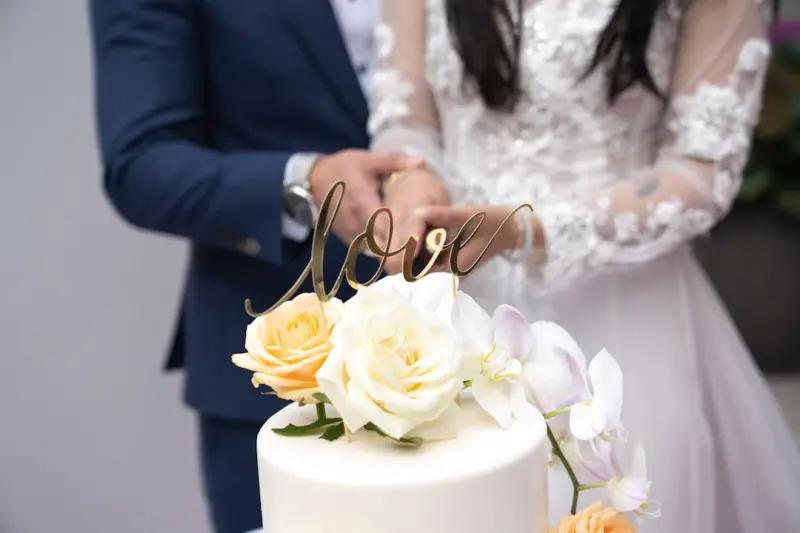
Reimagining the Ritual: How Thoughtful Celebrations Fuel Sustainable Growth
When I first joined a fast‑growing SaaS startup, the most memorable moment wasn’t the product launch or the funding round—it was the spontaneous “thank‑you” shout‑out that echoed through our Slack channel after a late‑night bug fix. That fleeting burst of appreciation sparked a realization: celebrations are not just feel‑good extras; they are strategic levers that can amplify culture, retention, and even revenue.
In the hustle of quarterly goals and endless feature sprints, many leaders treat celebrations as an afterthought—think generic cupcakes or a “Congrats!” email that gets lost in the inbox. But what if we approached celebrations the same way we design a product: with user research, iterative testing, and purposeful intent? In this post, I’ll share a framework that blends human‑centred design with data‑driven insights to create celebrations that resonate, inclusively, and sustainably.
Why Celebrations Matter—Beyond the Surface
Celebrations serve three core functions in a high‑performing organization:
- Recognition. Public acknowledgment validates effort and reinforces desired behaviours.
- Connection. Shared moments build social bonds, turning isolated contributors into a cohesive team.
- Motivation. A well‑timed celebration can recharge energy, driving the next wave of productivity.
Research in organisational psychology shows that employees who feel recognized are up to 31% more likely to stay with their company. Moreover, celebrations that are culturally attuned boost inclusion scores, reducing the feeling of “otherness” for remote or minority team members. The payoff isn’t just morale; it’s measurable business impact.
Step 1: Map the Celebration Journey
Just as we map a user journey, we should map the celebration journey. Identify the key milestones that deserve acknowledgment—project completions, product releases, personal life events, and even micro‑wins like a well‑crafted pull request. Plot each touchpoint on a timeline and ask:
- Who is the primary audience?
- What emotion do we want to evoke?
- Which channel delivers the most authentic experience?
For example, a major product launch might warrant a live virtual “launch party” with interactive polls, while a teammate’s work‑anniversary could be a personalized video montage shared in the team channel. By visualising these moments, you avoid the “one‑size‑fits‑all” trap and ensure each celebration feels purposeful.
Step 2: Leverage Data Without Losing Humanity
Data can illuminate hidden patterns that make celebrations more relevant. Pull analytics from your internal tools—look at which recognition emojis get the most reactions, or which celebration format drives the highest post‑event engagement. Use these insights to iterate:
- Frequency. If monthly “wins” posts see dwindling interaction, consider switching to a quarterly showcase.
- Format. A/B test a short video vs. a GIF for milestone shout‑outs to see which resonates more.
- Personalisation. Tagging a teammate with a custom badge based on their preferred communication style can increase perceived sincerity.
Remember, data informs, not dictates. The goal is to blend quantitative signals with qualitative empathy, ensuring that each celebration feels both thoughtful and scalable.
Step 3: Embed Celebration Into Your Knowledge Base
One mistake I’ve seen is that celebrations remain siloed—announced in a chat, then forgotten. To make celebrations a living part of your organisational memory, integrate them into your knowledge hub. Create a dedicated “Celebrations Archive” where each event is logged with photos, videos, and a brief narrative. This archive becomes a cultural reference point for new hires and a source of inspiration for future rituals.
Our own blog transformation from static posts to a dynamic resource taught us the power of living content. You can read more about that shift in the article From Static Posts to a Living Knowledge Hub: Reimagining the Modern Blog. By treating celebrations as content, you reinforce their importance and make them searchable, ensuring that the impact of each event extends far beyond the moment it occurs.
Step 4: Prioritise Inclusivity and Accessibility
Celebrations can unintentionally marginalise team members if they don’t consider cultural, religious, or personal preferences. Conduct a quick pulse survey asking about preferred celebration styles and any observances you should respect. Use the data to create a “Celebration Playbook” that outlines:
- Allowed formats (e.g., video, text, emoji).
- Timing considerations (avoiding early‑morning or late‑night messages for globally distributed teams).
- Language guidelines to keep messaging inclusive.
When you empower employees to co‑design celebrations, you turn them into cultural custodians, not passive recipients. This approach dovetails nicely with the principles outlined in Turning Employees into Brand Ambassadors: A Playbook for SaaS Leaders, where internal advocacy thrives on authentic participation.
Step 5: Blend the Physical and Digital
Even in a remote‑first world, tactile experiences have a unique emotional punch. Send a small physical token—like a handwritten note, a custom‑branded mug, or a plant—to accompany a virtual shout‑out. Pair it with a digital element such as a celebratory Slack GIF or an interactive poll that lets teammates vote on a charitable donation in the celebrant’s name.
These hybrid gestures create a multi‑sensory memory, anchoring the celebration in both the digital workspace and the personal space of each employee.
Step 6: Measure Impact and Iterate
After each celebration, close the loop with a quick feedback form. Ask participants:
- Did the celebration feel sincere?
- What part resonated most (visuals, message, token, timing)?
- How could we improve the next one?
Compile the responses quarterly to spot trends and refine your celebration framework. Over time, you’ll build a celebration culture that feels organic, not forced, and that consistently drives engagement metrics upward.
Celebration Stories: Real‑World Examples
1. The “Micro‑Win” Friday. A mid‑size SaaS team introduced a 5‑minute Friday slot where anyone could share a tiny victory—a clever code snippet, a quick win with a client, or even a personal hobby achievement. The practice boosted morale and surfaced cross‑team knowledge, leading to a 12% increase in internal knowledge‑sharing metrics.
2. Anniversary “Time‑Capsule” Videos. Instead of a generic email, a company recorded a short video montage each quarter, featuring employees reflecting on their journey at the company. The videos were stored in the knowledge hub, allowing newcomers to view the company’s evolving story and feel part of a larger narrative.
3. Global “Culture Day”. Once a year, the organization allocated a full day for teams to showcase their local customs—food, music, and traditions—through virtual breakout rooms. The event not only celebrated diversity but also sparked ideas for product localisation, directly influencing roadmap decisions.
Future‑Proofing Celebration Practices
As AI and generative tools become more embedded in daily workflows, celebrations will evolve too. Imagine an AI‑powered celebration assistant that auto‑generates personalised messages, curates relevant visuals, and suggests optimal timing based on each teammate’s calendar and timezone. While technology can streamline logistics, the human touch—your genuine voice—remains the cornerstone of any memorable celebration.
In the end, celebrations are less about the sparkle and more about the shared belief that every contribution matters. By treating celebrations as a strategic, data‑informed, and inclusive practice, you not only honour the present moment but also lay the groundwork for a resilient, engaged, and thriving organisation.

In the world of freelance writing, where creativity and adaptability are paramount, Michelle Fisher stands out as a dedicated and versatile professional. With a passion for crafting compelling narratives and a keen eye for detail, Michelle has established herself as a trusted voice.
Related Posts

The Art of Inclusive Celebration in Global SaaS Teams
Celebrations can be a powerful lever for inclusion, morale, and performance in globally distributed ... Read More

Eco‑Friendly Celebration Ideas That Spark Joy in 2026
Explore how to host zero‑waste parties, serve planet‑loving menus, and give gifts that give back... Read More
Turning Business Wins into Memorable Celebrations
Celebrations are more than parties—they’re strategic tools that reinforce behavior, build shared... Read More
Top Posts
How Generative AI Is Redefining Enterprise Knowledge Management
Generative AI is reshaping enterprise knowledge management by providing conversational retrieval, continuous learning, and seamless integration, turning fragmen...Read More

The Future of SEO: How Technology is Revolutionizing Search Engine Optimization
The world of SEO is rapidly evolving, and technology is playing a significant role in shaping its future. Learn about the impact of AI, voice search, and more o...Read More
The Unboxing Effect: How Surprise‑Driven Toys Are Rewiring Playtime
This post dives into the psychology of surprise in toys, the rise of modular play systems, and how subscription boxes combine excitement with sustainability, of...Read More
The Hidden Power of Narrative Loops in SaaS Blogging
Learn how to turn a standard SaaS blog into a continuous, community‑driven narrative loop that fuels product insights, boosts engagement, and creates lasting ...Read More
0 Comments
Post Comment
You will need to Login or Register to comment on this post!