

Why Your Urban Dog Needs More Than a Walk
Living in the city can feel like a never‑ending sprint of deadlines, traffic, and tiny apartments. If you’re like me—a former corporate strategist turned full‑time dog mom—you quickly learn that a brisk 15‑minute walk around the block is just the tip of the iceberg when it comes to keeping a city‑dwelling dog truly thriving. The concrete jungle presents unique stressors: overstimulation from endless sirens, limited green space, and a diet that often leans on convenience over nutrition. To move from “surviving” to “flourishing,” we need to adopt a holistic wellness routine that blends physical activity, mental enrichment, nutrition, and technology. Think of it as a “wellness stack” for your canine companion, built layer by layer to address the full spectrum of their needs.
Layer 1: Movement That Mimics the Wild
Traditional leash walks are valuable, but they rarely replicate the varied terrain and spontaneous challenges a dog would encounter in a forest or meadow. Urban dogs often miss out on the natural stimuli that trigger instinctual behaviors—scent tracking, variable footing, and unpredictable obstacles. To compensate, consider incorporating the following into your weekly routine:
- Variable‑Terrain Playgrounds: Seek out dog parks with hills, logs, and water features. If none are nearby, create a mini‑adventure in your own backyard using rubber mulch, wooden planks, and shallow sand pits.
- Interval Training: Alternate between short bursts of high‑intensity sprint (like a quick game of fetch) and slower, exploratory walks. This mirrors the natural “hunt‑rest” cycles seen in wolves.
- Canine Agility Classes: Many urban studios now offer agility sessions that double as socialization hubs. The mental focus required to navigate tunnels and weave poles is a fantastic stress‑buster.
When you combine these elements, you’re not just burning calories—you’re providing the proprioceptive feedback that builds confidence and reduces anxiety.
Layer 2: Mental Enrichment for the Overstimulated City Mind
Dogs are natural problem‑solvers, yet city living can flood them with constant, low‑grade stimulation—people walking past, traffic noise, and the occasional siren. To keep their brains sharp, we need to introduce purposeful, high‑value challenges:
- Scent Work Games: Hide a treat inside a series of nested boxes or under a towel and let your pup sniff out the reward. Rotate scents weekly to keep the puzzle fresh.
- Interactive Toys: Puzzle feeders that require paw manipulation to release kibble can turn mealtime into a cognitive workout.
- DIY Enrichment Stations: Repurpose everyday items—think a muffin tin with tennis balls covering hidden treats—to create low‑cost mental gymnastics.
For a deeper dive into creating enriching environments, you might enjoy reading Designing a Pet‑Friendly Home Office That Boosts Your Well‑Being. While the focus there is on human‑pet cohabitation, the principles of sensory variety and boundary‑setting translate directly to enrichment play zones.
Layer 3: Nutrition That Fuels Both Body and Brain
Convenient, shelf‑stable kibble often wins the battle for convenience, but it can fall short on the micronutrients required for optimal neural function and joint health—especially for smaller breeds that spend most of their time on hard pavement. Here are three evidence‑based tweaks you can make without breaking the bank:
- Rotate Protein Sources: Alternate between chicken, fish, and novel proteins like duck or kangaroo. Rotation reduces the risk of food sensitivities and provides a broader amino‑acid profile.
- Supplement with Omega‑3s: A high‑quality fish oil (or algae‑derived DHA for vegans) supports cognitive health and reduces inflammation from repetitive urban impacts.
- Fresh Add‑Ons: Incorporate low‑oxalate vegetables (like zucchini or cucumber) and antioxidant‑rich berries a few times a week. These natural sources deliver phytonutrients that processed foods lack.
Remember, any dietary shift should be introduced gradually and, if possible, discussed with a vet who understands the unique stressors of city life.
Layer 4: Harnessing Technology Without Turning Your Dog Into a Data Point
The pet tech market is exploding, but not all gadgets add genuine value. The goal is to use technology as a tool—not a replacement for human interaction. Below are three devices that truly enhance urban dog wellness:
- Smart Wearables: Collars that track heart rate variability (HRV) can alert you to early signs of stress or overexertion, especially useful during hot summer walks.
- Automated Treat Dispensers with AI: Some models learn your dog’s eating patterns and dispense rewards at optimal times, reinforcing training without overfeeding.
- Environmental Monitors: Sensors that measure indoor air quality help you ensure that the apartment’s ventilation is pet‑safe, reducing the risk of respiratory irritants.
If you’re curious about how tech can drive sustainability, take a look at Turning SaaS Green: A Practical Blueprint for Eco‑Friendly Software. The article’s focus on eco‑mindset can inspire you to choose energy‑efficient pet gadgets that align with a greener lifestyle.
Layer 5: Social Connection—Both Canine and Human
Dogs are pack animals; isolation can be as detrimental as a lack of exercise. In dense cities, opportunities for natural dog‑to‑dog interaction are limited, but you can proactively create social networks:
- Neighborhood Dog Walk Groups: Organize a weekly “Pup Stroll” on a nearby park trail. Consistent schedules build trust among owners and provide predictable playtime for dogs.
- Dog‑Friendly Cafés: Many urban cafés now welcome leashed dogs. Choose venues that serve water bowls and low‑sugar treats to keep your dog hydrated and healthy.
- Virtual Playdates: Some pet cameras allow you to broadcast a live video of a toy or treat, letting another dog “play” via remote interaction. It sounds quirky, but studies show that visual stimulation can alleviate boredom.
These social rituals also double as human networking opportunities—because let’s face it, a shared love of dogs is a great icebreaker for professional connections.
Layer 6: Routine, Rest, and Recovery
All the enrichment in the world won’t compensate for chronic sleep deprivation. Urban apartments often have inconsistent lighting, which can disrupt a dog’s circadian rhythm. Here’s how to set the stage for restorative rest:
- Consistent Sleep Zone: Dedicate a quiet corner with a plush bed, away from windows and high‑traffic areas. Use blackout curtains to simulate a natural dusk.
- Evening Wind‑Down Routine: A short, low‑key walk followed by gentle massage can cue the nervous system to transition into relaxation mode.
- Temperature Control: Dogs overheat quickly on concrete. Keep the indoor temperature between 68‑72°F (20‑22°C) and provide a cooling mat during hot months.
When rest is prioritized, you’ll notice a marked improvement in your dog’s mood, appetite, and overall resilience.
Putting It All Together: The Urban Dog Wellness Checklist
Below is a printable checklist you can hang on your fridge. Tick each item weekly to ensure a balanced approach:
- ✅ Vary walking terrain (hill, sand, grass) at least twice a week
- ✅ Conduct a 10‑minute scent work session daily
- ✅ Rotate protein source in meals every 4 weeks
- ✅ Add omega‑3 supplement to diet
- ✅ Review wearable data for abnormal HRV spikes
- ✅ Attend or host a neighborhood dog walk
- ✅ Keep sleep zone consistent and temperature‑controlled
- ✅ Replace one processed snack with a fresh veggie or berry
Consistency is the secret sauce. By treating each layer as a habit rather than a one‑off task, you’ll create a sustainable ecosystem of health for your city dog.
Final Thoughts: Embrace the Urban Adventure
Urban living isn’t a compromise; it’s an invitation to be creative. When you view your city as a canvas rather than a constraint, you unlock a world of opportunities to enrich your dog’s life. From improvising a backyard agility course to leveraging smart wearables, the tools are at your fingertips. The true magic happens when you weave these practices into a rhythm that feels natural for both you and your pup. After all, the best part of city life is the shared journey—two busy hearts navigating the concrete jungle together.

Jessica Gills is a freelance writer carving a niche for herself by empowering others through her words. With a focus on careers, self-development, and business, she helps readers navigate the complexities of the modern professional landscape.
Related Posts
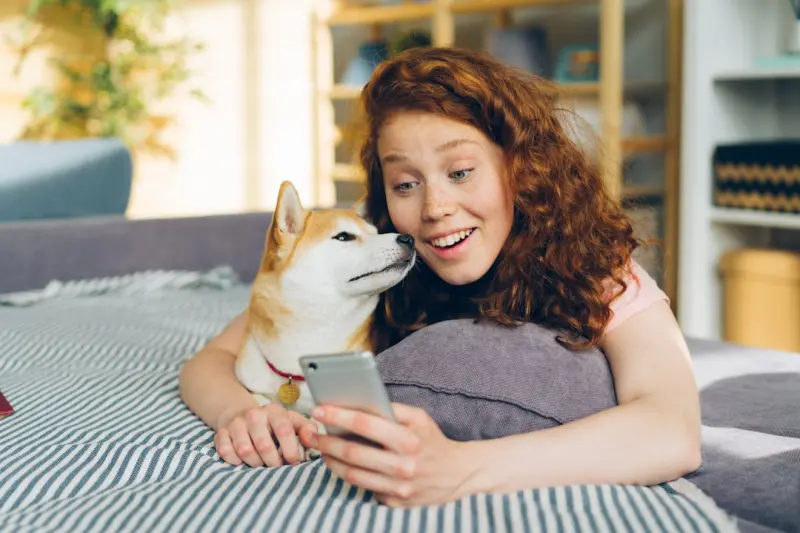
Why Your Pet Deserves a Digital Companion in the Age of Smart Homes
Discover the rise of pet‑focused smart home ecosystems that turn passive gadgets into active allie... Read More

How to Turn Your Home Into a Pet‑Friendly Sanctuary
Discover expert tips to create a pet‑friendly sanctuary, from scent control and safe flooring to p... Read More

Why Pet Subscription Boxes Are the Next Big Thing for Modern Owners
Pet subscription boxes blend convenience, personalization, and sustainability, offering busy owners ... Read More
Top Posts
When Play Becomes a Platform: The New Age of Smart, Modular Toys
Smart, modular toys are reshaping play into a platform for learning, collaboration, and sustainability, offering adaptable experiences for kids, parents, and re...Read More

Social Media Micro‑Communities: The Secret Weapon for SaaS Growth
Micro‑communities on social media are transforming SaaS growth. Learn how to build, nurture, and leverage these niche groups for real‑time feedback, higher ...Read More

Rethinking Connectivity: How Network‑as‑Code Empowers Modern SaaS Teams
Network‑as‑code turns traditional networking into a programmable, version‑controlled asset, enabling SaaS teams to automate security, scale across regions...Read More

The Dark Side of Sustainability: How Scammers Are Exploiting Eco-Friendly Trends
Scammers are increasingly exploiting eco-friendly trends to deceive unsuspecting individuals. Learn how to stay safe from sustainability scams and protect yours...Read More
0 Comments
Post Comment
You will need to Login or Register to comment on this post!