
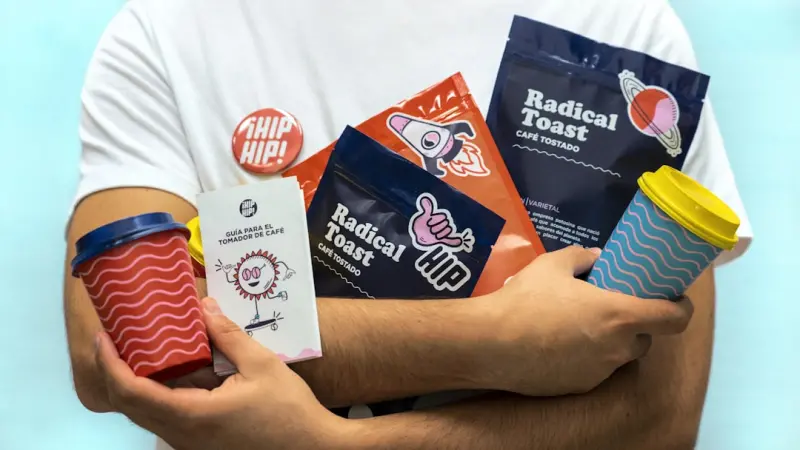
Branding isn’t a checklist of colors, fonts, and a tagline that sits on a landing page. In the fast‑moving SaaS universe, where product updates roll out weekly and data dashboards dominate conversations, the most powerful brand asset is the human story you tell—and the way you live that story every single day.
Why “Human‑Centric” Isn’t a Buzzword Anymore
When I first stepped into the SaaS arena, I was dazzled by the sparkle of tech jargon: “hyper‑scalable,” “real‑time analytics,” “API‑first.” Those terms sold a product, but they rarely sold a feeling. Fast forward a few years, and I’ve watched buyers become increasingly skeptical of slick tech promises that feel detached from their real‑world challenges.
What they crave is a brand that feels like a trusted colleague—not a faceless algorithm. That shift from transactional to relational branding is why “human‑centric” has moved from buzzword to baseline expectation.
The Three Pillars of Human‑Centric SaaS Branding
To move from a purely functional brand to one that resonates on a personal level, I focus on three interconnected pillars: Purposeful Narrative, Culture Consistency, and Experience Echoes. Each pillar informs the other, creating a feedback loop that amplifies authenticity.
1. Purposeful Narrative: The Story That Guides Everything
Every brand needs a north‑star story—an answer to the question, “Why do we exist beyond revenue?” This isn’t a corporate mission statement plastered on the “About” page; it’s a living narrative that shapes product decisions, hiring, and customer interactions.
When I led the re‑branding of a mid‑stage SaaS startup, we started by gathering “story moments” from customers, employees, and partners. These moments weren’t about feature wins; they were about moments of relief, empowerment, and transformation. We distilled them into a concise narrative: “We turn data overload into clarity, so teams can focus on what truly matters.”
The result? Our marketing copy, sales pitches, and even onboarding flows began echoing that same promise. Prospects started mentioning the narrative in their own words, and churn rates dropped because customers felt the brand’s purpose aligned with their personal goals.
2. Culture Consistency: Walking the Talk Internally
Brand promises evaporate the moment employees don’t embody them. If your brand claims to be “customer‑obsessed,” but your support team treats tickets as chores, the disconnect will surface in reviews, referrals, and revenue.
Creating culture consistency starts with three practical steps:
- Hiring for Fit: Look for candidates who naturally resonate with the brand’s purpose, not just technical chops.
- Internal Storytelling: Celebrate the same “story moments” you share externally during all‑hands meetings, newsletters, and internal Slack channels.
- Rituals That Reinforce Values: Whether it’s a weekly “customer win” shout‑out or a quarterly “purpose hackathon,” rituals embed the brand into daily routines.
When the culture lives the narrative, the brand becomes a magnetic force that attracts both talent and customers who share the same values.
3. Experience Echoes: Turning Every Interaction Into Brand Reinforcement
Every touchpoint—from the first email to the final invoice—should feel like a chapter in the same story. Consistency doesn’t mean uniformity; it means each interaction reinforces the brand’s core promise.
Consider these three layers of experience echoing:
- Visual Echo: Use a cohesive visual language across UI, marketing assets, and even internal dashboards. Subtle cues—like a signature accent color that appears in the onboarding flow—create subconscious brand recognition.
- Voice Echo: Adopt a distinct tone of voice that mirrors your purpose. If you promise “clarity,” keep language concise, jargon‑free, and empathetic.
- Action Echo: Align product features with brand promises. For a brand that pledges “effortless collaboration,” features like shared workspaces, real‑time comments, and easy permission settings become proof points.
Embedding Authenticity with Data—Without Losing the Human Touch
Data is the lifeblood of SaaS, but it can also drown the human element if misused. The challenge is to let data inform, not dictate, the brand experience.
One technique I love is the “Human‑Data Lens.” Instead of asking, “What does this metric tell us about usage?” ask, “What does this metric reveal about our users’ frustrations or aspirations?” For example, a spike in “time‑to‑first‑value” might indicate users are struggling with onboarding. Rather than merely tweaking the UI, use that insight to craft a more empathetic welcome email series that acknowledges the learning curve.
Data‑driven personalization is another powerful lever. When you know a user’s industry, usage patterns, and pain points, you can tailor messaging that feels handcrafted. But remember to keep the tone human—avoid robotic, one‑size‑fits‑all email blasts.
Leveraging Internal Resources for Brand Amplification
Branding isn’t the sole responsibility of the marketing team; it’s a company‑wide initiative. Below are two internal assets that can supercharge your brand narrative:
- Automation + Empathy: This playbook shows how to blend intelligent automation with genuine human concern, turning routine interactions into moments of brand reinforcement.
- SEO for the AI‑First SaaS Landscape: By aligning SEO strategy with your brand’s purpose, you ensure that the first impression users get on search results mirrors the story you’re telling everywhere else.
When these resources are integrated into product roadmaps, sales enablement, and customer success workflows, the brand becomes a seamless thread woven through every employee’s day‑to‑day activities.
Case Study: From Feature‑Centric to Purpose‑Driven Branding
Let’s walk through a real‑world transformation I guided for a B2B SaaS platform that originally marketed itself as “the most secure data storage solution.” While security was a differentiator, the messaging felt sterile.
Step 1 – Discover the Human Why: We conducted 30 in‑depth interviews with customers across three verticals. A recurring theme emerged: “I need peace of mind so I can focus on growing my business, not worrying about data breaches.”
Step 2 – Redefine the Narrative: The new brand promise became “Secure data, free mind.” This shifted the conversation from a technical feature to an emotional benefit.
Step 3 – Align Culture: We introduced a “Peace of Mind Friday” where teams shared stories of customers who felt truly protected. This reinforced the narrative internally.
Step 4 – Experience Echoes: The onboarding journey now starts with a short video of a founder talking about why peace of mind matters, followed by a guided tour that highlights security features in plain language.
Result: Within six months, net promoter score (NPS) rose by 14 points, and the sales cycle shortened by 18% because prospects instantly connected with the emotional promise.
Practical Tips to Start Your Human‑Centric Branding Journey Today
- Audit Your Current Story: Gather all brand touchpoints—website copy, email templates, support scripts—and ask: “Does this convey the same purpose?”
- Map Employee Touchpoints: Identify moments where staff represent the brand (e.g., support calls, sales demos) and coach them to speak the brand voice.
- Collect “Story Moments” Quarterly: Use surveys, NPS follow‑ups, and internal forums to capture real customer anecdotes that align with your purpose.
- Introduce a Brand Ritual: A monthly “Brand Pulse” meeting where teams share successes, challenges, and how they lived the brand that month.
- Measure Impact Beyond Metrics: Track NPS, churn, and referral rates, but also monitor qualitative signals like employee engagement and brand sentiment on social media.
Future‑Proofing Your Brand in an Ever‑Evolving Landscape
The SaaS world will continue to be reshaped by AI, low‑code platforms, and new regulatory frameworks. Yet the core human need for trust, clarity, and belonging remains constant.
Future‑proof branding means staying adaptable without losing authenticity. When new features roll out, frame them within your existing narrative rather than launching a disconnected campaign. When market trends shift, revisit your purpose—does it still resonate?
In short, your brand should be a living, breathing entity that grows alongside your customers and your team.
By committing to purposeful narrative, culture consistency, and experience echoes, you’ll craft a SaaS brand that feels less like a product and more like a partnership. And in a world awash with data, that human connection is the ultimate competitive advantage.

Jessica Gills is a freelance writer carving a niche for herself by empowering others through her words. With a focus on careers, self-development, and business, she helps readers navigate the complexities of the modern professional landscape.
Related Posts

Branding in the Green Era: How Authentic Storytelling Fuels Sustainable Growth
Dale Peterson shares a fresh perspective on modern branding, showing how authentic storytelling, dat... Read More
Branding Beyond the Logo: Crafting a Sensory Ecosystem for SaaS
In this article, Dale Peterson reveals why modern SaaS branding must go beyond visual identity, expl... Read More

Data‑First Branding: Turning Customer Signals into a Living Narrative
Discover a practical roadmap for transforming raw customer data into a dynamic brand story that cont... Read More
Top Posts

Sustainable Interior Design: How to Create a Healthy and Eco-Friendly Home
Learn how to create a healthy and eco-friendly home with sustainable interior design. Get tips on simple swaps, design choices, and more from interior designer ...Read More

When the Brain Logs Off: Rethinking Mental Resilience in a Hyperconnected Workplace
A practical guide to rebuilding mental resilience in today’s hyperconnected workplace, focusing on environment redesign, digital boundaries, and cultural empa...Read More

Why Curated Subscription Boxes Are the Secret Weapon for Modern Parents
Curated subscription boxes deliver age‑appropriate, development‑focused toys and books directly to families, blending convenience with science‑backed play...Read More
Beyond Keywords: Crafting Semantic SEO Strategies for AI‑Powered Search
In this post, Miranda Murphy explains why traditional keyword‑centric SEO is outdated and offers a step‑by‑step guide to building semantic content hubs, l...Read More
0 Comments
Post Comment
You will need to Login or Register to comment on this post!