
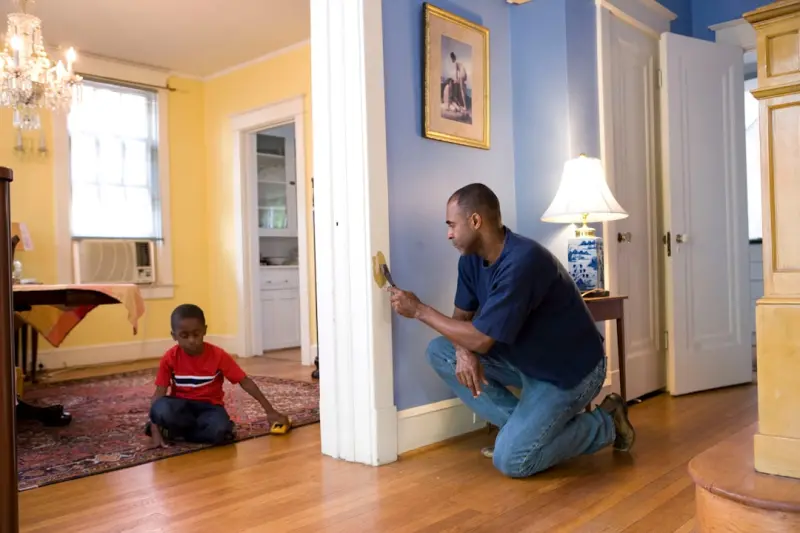
When I first started juggling spreadsheets and school drop‑offs, I realized that safety isn’t a checklist—it’s a living conversation that evolves with our kids, our homes, and the tech that stitches them together. Over the years, I’ve watched a wave of “smart” gadgets promise convenience while quietly reshaping the safety landscape. The challenge for parents today is to harness that innovation without surrendering the simple, proven practices that keep children out of harm’s way.
Why “Safety‑First” Isn’t Enough
Traditional safety advice reads like a static list: keep cleaning supplies locked, use outlet covers, and never leave a child unattended in the bathtub. While those fundamentals remain crucial, the modern household is a dynamic ecosystem of connected devices, multi‑functional furniture, and ever‑changing routines. A “safety‑first” mantra that stops at the front door overlooks the subtle risks that emerge when a voice‑assistant can control the thermostat or when a child’s favorite toy doubles as a Wi‑Fi hub.
To truly protect our kids, we need a kid‑centric safety culture—one that integrates physical safeguards, digital awareness, and empowerment of the children themselves. This culture doesn’t replace the basics; it builds on them, turning everyday moments into teachable opportunities.
Step 1: Map Your Home’s Safety Landscape
The first act of any safety strategy is a thorough, honest audit of the environment. Instead of a quick scan, I recommend a room‑by‑room walkthrough with a “what‑if” mindset. Grab a notebook and ask yourself:
- What objects are within reach? Toys, cords, and small appliances can become hazards if left unattended.
- Where does technology intersect with play? Smart speakers, tablets, and connected toys often sit on low shelves—are they secured?
- Are there hidden dangers? Staircases without gates, windows without locks, or cabinets without child‑proof latches.
Document each finding. This map becomes the foundation for targeted interventions, ensuring you don’t miss a single blind spot.
Step 2: Leverage Smart Home Features—Intentionally
Smart devices can be allies, but only if configured with safety in mind. Here are three practical tweaks you can apply right now:
- Voice‑Assistant Permissions. Disable purchasing capabilities and limit access to “Kids Mode” where the assistant can only answer age‑appropriate queries.
- Geofencing Alerts. Set up notifications that trigger when a child’s smartwatch leaves a predefined safe zone—be it the backyard or a neighbor’s house.
- Automated Locks. Connect door locks to your home hub and program them to lock automatically at night or when the house reaches a certain occupancy threshold.
These adjustments turn passive devices into active guardians. For a deeper dive into protecting children in a connected world, check out this article on digital safety strategies.
Step 3: Create a “Safety Kit” That Grows With Them
Think of safety gear as a subscription service for your child’s evolving needs. The first year might focus on outlet covers and cabinet locks. As they grow, introduce reflective gear for nighttime walks, a portable first‑aid kit, and a simple emergency card with important contacts.
To keep the momentum, consider curating a monthly Safety Box—a small package of age‑appropriate tools and a short activity sheet that teaches a new safety skill. This approach mirrors the convenience of subscription safety kits but remains personalized to your family’s routine.
Step 4: Empower Kids With Safety Literacy
Children are natural problem‑solvers; they just need the right language. Turn safety into a game:
- “Safety Detectives”. Assign a weekly mission where kids hunt for potential hazards and suggest fixes.
- Role‑Play Scenarios. Practice “what if” drills—what to do if a fire alarm sounds, if they get lost in a store, or if a stranger approaches.
- Digital Etiquette. Teach them to ask permission before using any connected device and to recognize phishing attempts in kid‑friendly terms.
When children understand the “why” behind each rule, they’re more likely to internalize it and act responsibly—even when you’re not watching.
Step 5: Establish Consistent Routines and Audits
Safety isn’t a one‑off project; it’s a recurring practice. Schedule quarterly reviews of your safety map, especially after major life changes like a new sibling, a move, or the introduction of a new gadget. Use these checkpoints to:
- Replace worn‑out safety equipment (e.g., cracked outlet covers).
- Re‑evaluate geofencing radii as children gain independence.
- Update your emergency contact list and practice drills.
These routine audits keep the safety culture fresh and adaptable, preventing complacency.
Step 6: Foster Community Collaboration
No parent is an island. Share your safety insights with neighbors, schools, and local parent groups. Organize a “Safety Saturday” where families exchange tips, test smoke alarms together, and review emergency plans. Collective vigilance not only amplifies protection but also builds a support network for when unforeseen incidents arise.
Step 7: Balance Technology and Tangibility
While smart devices offer convenience, never replace hands‑on safety education with screens. Encourage outdoor play, physical problem‑solving, and real‑world exploration. These experiences develop motor skills, spatial awareness, and confidence—attributes that no algorithm can replicate.
Remember, the goal isn’t to ban technology but to integrate it thoughtfully. A child who knows how to safely unplug a charger after a spill is better protected than one who relies solely on a device’s automatic shut‑off.
Putting It All Together: A Sample Week of Kid‑Centric Safety
Here’s a practical illustration of how these steps can flow in a typical week:
- Monday: Conduct a quick “Safety Detectives” walkthrough of the kitchen with your child.
- Tuesday: Update your smart lock schedule to lock the front door at 8 PM.
- Wednesday: Unbox the latest “Safety Kit” item—a reflective wristband—while reviewing nighttime walking rules.
- Thursday: Practice a fire drill, emphasizing the “stop, drop, and roll” technique and the meeting point outside.
- Friday: Review the geofencing alert settings on your child’s smartwatch.
- Saturday: Host a neighborhood safety swap, sharing tips and checking each other’s smoke detectors.
- Sunday: Reflect on the week’s successes and jot down any new hazards discovered during playtime.
By weaving safety into the rhythm of everyday life, you transform it from a daunting checklist into a natural, collaborative habit.
Final Thoughts: Safety as a Living Conversation
Kids grow fast, technology evolves faster, and homes become ever more interconnected. The only constant is the love that drives us to protect our little ones. By adopting a kid‑centric safety culture—one that blends physical safeguards, smart‑home intelligence, and child empowerment—you create an environment where safety feels like a shared adventure rather than a set of rules.
As we continue to navigate this brave new world, let’s remember that the most powerful safety net is a family that talks, learns, and adapts together.

Jody Henderson is a passionate freelance writer, driven by a love for storytelling and a keen eye for detail. With a versatile skillset, she crafts compelling content across a variety of niches, from engaging blog posts to informative articles and persuasive marketing copy.
Related Posts
Beyond the Latch: How Smart Wearables Are Redefining Everyday Child Safety
A deep dive into modern child‑safety wearables, balancing real‑time protection with privacy, and... Read More

Protecting the Next Generation: A Comprehensive Guide to Kids' Safety in the Digital Age
As a parent, ensuring your child's safety and well-being is top priority. In today's digital age, ki... Read More

When Kids Take the Lead: Teaching Safety Skills That Stick
Empower children to own their safety by turning rules into games, fostering community involvement, a... Read More
Top Posts

The Green Plate: How 2026’s Food Trends Are Redefining What We Eat
Discover how 2026’s sustainable food movements—from cultured meat to zero‑waste cooking—are transforming kitchens, restaurants, and families alike....Read More
Building a Greener Playroom: DIY Upcycled Toy Kits for the Modern Family
A deep dive into sustainable, DIY toy kits that empower parents and kids to turn everyday recyclables into imaginative play, fostering creativity while protecti...Read More

The New Playbook for Meaningful Gifts in the Digital Age
Explore how to craft memorable, sustainable, and data‑backed gifts that strengthen relationships, boost brand perception, and drive measurable results....Read More

When “Free” Becomes a Trap: Spotting SaaS Subscription Scams Before They Cost You
A deep dive into the rise of SaaS subscription scams, detailing how they exploit recurring billing, automation, and remote work, and offering actionable steps t...Read More
0 Comments
Post Comment
You will need to Login or Register to comment on this post!