

Why “Mental Fitness” Beats Traditional Self‑Help in an Always‑On World
We’ve been told for decades to “just relax” or “think positive,” but those catch‑alls ignore the fact that our brains are now under constant digital pressure. Mental fitness reframes well‑being as a skill set you can train, much like a sport, rather than a vague state of mind. When notifications ping every few minutes, the brain’s default mode is hijacked, eroding attention, mood, and even sleep quality. By treating mental resilience as a muscle, you can apply progressive overload, recovery periods, and measurable goals to improve focus, emotional regulation, and long‑term happiness.
The Hidden Cost of Unchecked Screen Time
Most of us measure screen time in hours, but the hidden cost is the cumulative “brain drain” that occurs when we switch rapidly between apps, emails, and feeds. Each task switch burns roughly 40 % of the brain’s energy, leading to fatigue that feels like a low‑grade burnout rather than a simple tiredness. Over weeks, this can manifest as anxiety spikes, reduced creativity, and a lingering sense of mental fog. Recognizing that the real issue is not the screen itself but the fragmented attention it forces upon us is the first step toward reclaiming cognitive clarity.
Building Digital Boundaries That Stick
Setting limits isn’t about deprivation; it’s about strategic allocation of mental bandwidth. Start by designating “focus zones” where notifications are silenced, and schedule “buffer windows” for email and social checks. Even a 15‑minute “tech‑free” interval before bed can dramatically improve sleep architecture, because the brain is no longer processing blue‑light‑induced alerts. Treat these boundaries as non‑negotiable appointments with yourself, and use calendar blocks to protect them just as you would a client meeting.
Micro‑Practice: Small Wins, Big Gains
Just as Microlearning Mastery teaches that bite‑sized lessons boost retention, micro‑practice in mental fitness yields exponential returns. Spend two minutes breathing deeply, jotting a gratitude note, or visualizing a calm scene before diving into a task. These micro‑rituals reset the nervous system, lower cortisol, and improve subsequent focus. Over time, they compound, turning fleeting moments of calm into a robust foundation for emotional stability.
Leveraging Side Projects for Psychological Renewal
When you channel creative energy into a side project, you give your brain a playground free from the constraints of your primary job or daily obligations. This shift can reignite curiosity, spark dopamine release, and provide a sense of autonomy that counters feelings of stagnation. As highlighted in Side Projects, these ventures often become incubators for personal growth, offering a tangible reminder that you are capable of learning and adapting beyond prescribed roles.
Neuroplasticity: The Science Behind Rewiring Your Mind
Your brain is not a static organ; it remodels itself in response to repeated patterns. By consistently practicing focus‑enhancing habits—like single‑tasking or mindfulness breathing—you literally carve new neural pathways that make sustained attention easier over time. Conversely, the habit of multitasking strengthens the brain’s propensity to scatter, making it harder to concentrate without deliberate effort. Understanding this plasticity empowers you to make intentional choices that shape a healthier mental architecture.
Community as a Buffer Against Digital Overload
Human connection remains the most potent antidote to the isolating effects of constant connectivity. Regularly scheduled “offline meetups” with friends, family, or interest groups provide a shared space where screens are secondary. These gatherings stimulate oxytocin release, lower stress hormones, and remind you that support systems exist beyond the algorithmic feed. Even virtual “audio‑only” check‑ins, when used sparingly, can foster intimacy without the visual distraction of video calls.
The Role of Physical Movement in Mental Reset
Exercise is not just a calorie‑burning activity; it’s a neurochemical catalyst. A brisk walk or short stretch session increases brain‑derived neurotrophic factor (BDNF), which supports memory formation and mood regulation. Integrating movement into your workday—like a 5‑minute desk stretch or a quick stair climb—creates micro‑breaks that disrupt the monotony of screen focus, revitalizing both mind and body.
Designing a Personal “Mental Fitness Dashboard”
Metrics can motivate. Create a simple dashboard tracking sleep hours, screen‑free intervals, micro‑practice frequency, and mood ratings. Review it weekly to identify patterns—perhaps you notice that on days with less evening screen use, your mood scores rise. This data‑driven approach mirrors the analytics many use for business but repurposes it for personal well‑being, turning abstract goals into concrete, actionable insights.
Future‑Proofing Your Mind in an Ever‑Evolving Digital Landscape
The tech tide will only rise, bringing new platforms, immersive experiences, and faster information streams. By embedding mental fitness habits now—setting boundaries, practicing micro‑resets, nurturing community, and tracking progress—you equip yourself with a resilient mindset that can adapt to any digital wave. The goal isn’t to abandon technology but to harness it as a tool that serves your mental health, rather than the other way around.

Seth Samual is a name that's quickly becoming synonymous with compelling and insightful writing. As a freelance writer, Seth has carved a niche for himself by delivering high-quality content across a diverse range of subjects.
Related Posts
Designing SaaS Workflows That Preserve Cognitive Calm
A deep dive into designing enterprise software that respects users' mental bandwidth, featuring inte... Read More

Cultivating Mental Resilience Through Structured Play in the Digital Age
Structured play, when embedded into daily workflows, can transform mental health outcomes by boostin... Read More

Reclaiming Focus: A Fresh Path to Mental Wellness
Learn how micro‑meditations, intentional workspace design, and compassionate self‑leadership can... Read More
Top Posts
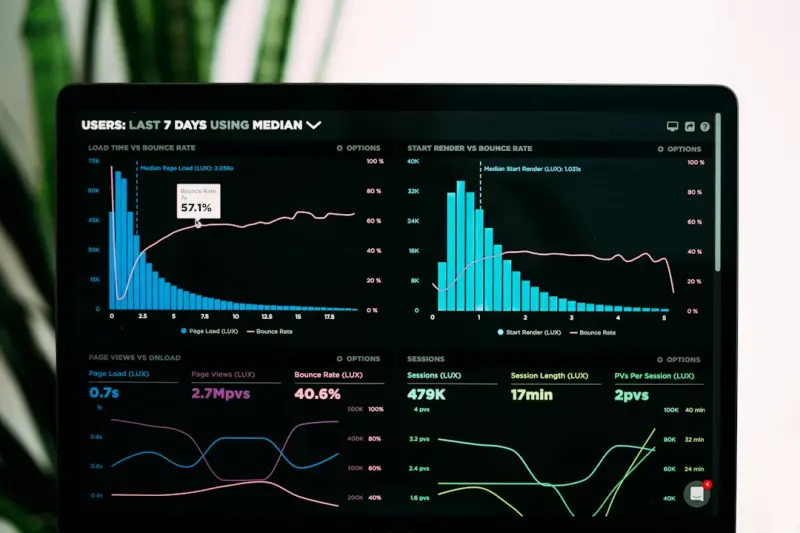
Parametric Insurance: Turning Real‑Time Data into a SaaS Safety Net
A deep dive into why traditional policies fall short for SaaS, how parametric insurance leverages real‑time metrics for instant payouts, and steps to integrat...Read More

Turning Real‑Time Social Listening into Predictive Content Engines
Learn to convert live social listening data into predictive content, leveraging micro‑communities, AI audio, and purpose‑driven hooks for a dynamic, futureâ...Read More
Data‑Driven Storytelling: Turning Real‑Time Insights Into Adaptive Campaigns
Media agencies are moving beyond static ads to data‑driven storytelling, using real‑time insights, edge processing, and AI‑generated creative to deliver a...Read More
AI‑First Development Platforms: Accelerating Software Creation with Intelligent Partners
AI‑first development platforms are reshaping software creation by pairing intelligent code generation with structured data, delivering faster prototypes, demo...Read More
0 Comments
Post Comment
You will need to Login or Register to comment on this post!