
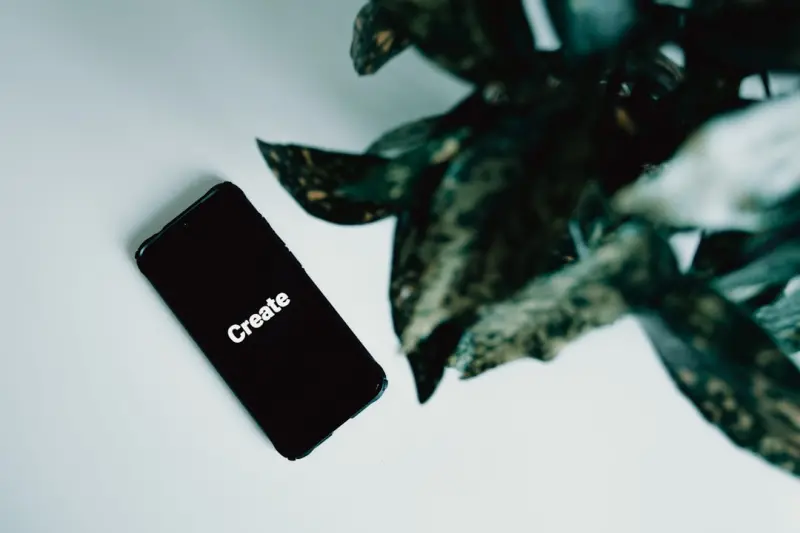
The Quiet Power of a Curated Home Screen
Every time you unlock your phone, you’re greeted by a digital landscape that can either energize you or drain your mental bandwidth. A chaotic grid of apps, unread badges, and random widgets creates a subtle, constant background stress that most of us barely notice until we feel overwhelmed. By treating your home screen like a personal gallery—where each icon has a purpose and every swipe feels intentional—you tap into a form of micro‑self‑care that quietly reshapes focus, mood, and productivity. The shift from passive scrolling to purposeful interaction doesn’t require a new device; it merely asks you to pause, assess, and redesign the first thing you see each day.
Why Minimalism Matters for Your Mind
Research in cognitive psychology shows that visual clutter competes for limited attention resources, forcing the brain to constantly filter irrelevant stimuli. When your home screen is overloaded, you’re inadvertently training your mind to operate in a state of low‑level anxiety, a condition that seeps into other tasks and amplifies decision fatigue. By stripping away excess and highlighting only the tools you truly need, you create a visual “calm zone” that signals the brain it’s safe to relax and focus. This principle mirrors the broader minimalist movement in interior design, but it’s applied to a pocket‑sized canvas that follows you everywhere.
Designing a Layout That Serves You
The first step in a thoughtful redesign is to define the primary functions of your phone—communication, navigation, creativity, and wellness—and assign each a dedicated space. Reserve the bottom dock for the apps you reach for every minute, such as messaging, calendar, and a trusted music player, because thumb ergonomics favor this zone. Above the dock, create a single page of essential utilities, grouping similar tools—like finance, health, and productivity—into folders that are visually distinct yet easy to swipe into. This hierarchy reduces the time spent hunting for apps and reinforces a mental map that feels natural and efficient.
Icon Grouping: The Art of Visual Storytelling
Beyond folders, consider the visual language of your icons. Choose a consistent style—whether it’s monochrome, rounded, or skeuomorphic—to create a cohesive aesthetic that the brain can quickly parse. When icons share color palettes or shapes, your visual cortex processes them as part of a unified set, cutting down on the mental effort required to locate a specific function. For example, a pastel‑tinted folder for leisure apps immediately signals downtime, while a bold, high‑contrast set for work‑related tools signals focus mode. This subtle cueing system subtly guides behavior without you having to think about it.
Mastering Notifications Without Missing a Beat
Notifications are the digital equivalent of a buzzing beehive—useful when you need them, maddening when they’re constant. The key is to curate not just what appears on your screen, but when and how it reaches you. Turn off non‑essential alerts at the system level, and replace them with bundled summaries that appear at set intervals, allowing you to batch‑process information rather than reacting in real time. By assigning priority levels—critical (calls, emergency alerts), important (calendar reminders), and optional (social likes)—you create a hierarchy that mirrors your home screen organization, reinforcing calm and control throughout the day.
Choosing Colors and Wallpapers That Reset Your Mood
The backdrop of your home screen is more than a decorative element; it’s a subconscious mood regulator. Soft, muted tones like cool blues or gentle greens can lower heart rate and promote focus, while vibrant hues such as orange or magenta can energize and inspire creativity. Pair your color choice with a high‑resolution image that carries personal meaning—a sunrise over a favorite trail, a minimalist abstract, or a calming ocean scene—to anchor your daily routine in a visual cue that signals the start of intentional use. This intentional pairing turns an ordinary glance into a brief mindfulness practice.
When to Declutter: The App Lifecycle
Just as you would donate clothes that no longer fit, regularly audit your apps to retire those that no longer serve a purpose. Set a quarterly reminder to review download statistics, usage frequency, and relevance to your current goals. Uninstalling dormant apps not only frees up storage but also reduces the temptation to open them out of habit. For apps you might need later, consider “shelf” solutions that hide them from the main view while keeping them accessible through the search function, ensuring the home screen remains a streamlined hub for active tools.
Eco‑Conscious Curation and the Bigger Picture
Every app you keep installed consumes background energy, contributing to the cumulative power draw of billions of devices worldwide. By consciously limiting the number of active apps, you participate in a subtle form of digital sustainability—a topic explored in depth in Edge Computing and Distributed AI: The Next Tech Frontier. Moreover, a minimalist approach encourages longer device lifespan, as users become less inclined to upgrade for marginal features when their current phone already meets their streamlined needs. This mindset aligns personal well‑being with environmental stewardship, proving that a tidy home screen can have ripple effects beyond the individual.
Looking Ahead: The Future of Intentional Phone Use
As operating systems evolve, we’ll likely see native tools that support deeper home screen personalization, from AI‑driven widget suggestions to adaptive icon layouts that respond to your routine patterns. Until those features become mainstream, the responsibility—and opportunity—lies with each user to shape their digital environment intentionally. Start today by taking a few minutes to reorganize, set notification boundaries, and choose a calming wallpaper; the cumulative impact on focus, stress levels, and even device longevity will be unmistakable. Embrace the practice, and watch your phone transform from a source of distraction into a quiet ally in your daily self‑care regimen.

Jody Henderson is a passionate freelance writer, driven by a love for storytelling and a keen eye for detail. With a versatile skillset, she crafts compelling content across a variety of niches, from engaging blog posts to informative articles and persuasive marketing copy.
Related Posts
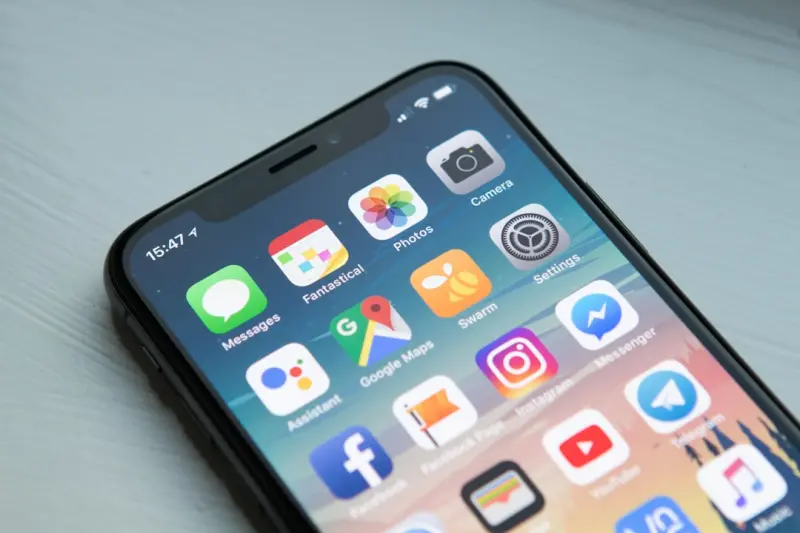
Why Modular Phones Might Save Your Wallet and the Planet
Modular smartphones let users upgrade components like cameras and batteries instead of replacing the... Read More

The Smartphone’s Secret Role in Modern B2B Storytelling
Smartphones are no longer just communication tools; they’ve become essential, AI‑enhanced storyt... Read More

Unlocking the Full Potential of Your Smartphone Without Buying a New One
Learn how to stretch your phone’s battery, optimize software, and use smart accessories so your de... Read More
Top Posts

Post‑Quantum Readiness: Future‑Proofing SaaS Security Today
A practical guide for SaaS leaders on adopting post‑quantum cryptography, integrating hybrid algorithms, leveraging edge computing, and maintaining compliance...Read More

Why AI‑Powered Appliances Are the Next Kitchen Revolution
Discover how AI-enabled appliances are reshaping kitchens, offering time savings, energy efficiency, and predictive maintenance, and learn practical steps to in...Read More

The Sustainable Food Revolution: A Comprehensive Guide to Eco-Friendly Eating
The sustainable food revolution is gaining momentum. Learn how to make eco-friendly food choices that benefit your health and the planet with our comprehensive ...Read More
The Art of Curated Surprise: How to Gift Experiences That Stick
Learn to craft unforgettable gifts by focusing on experiences, storytelling, and purposeful choices that resonate far beyond the moment of unwrapping....Read More
0 Comments
Post Comment
You will need to Login or Register to comment on this post!