
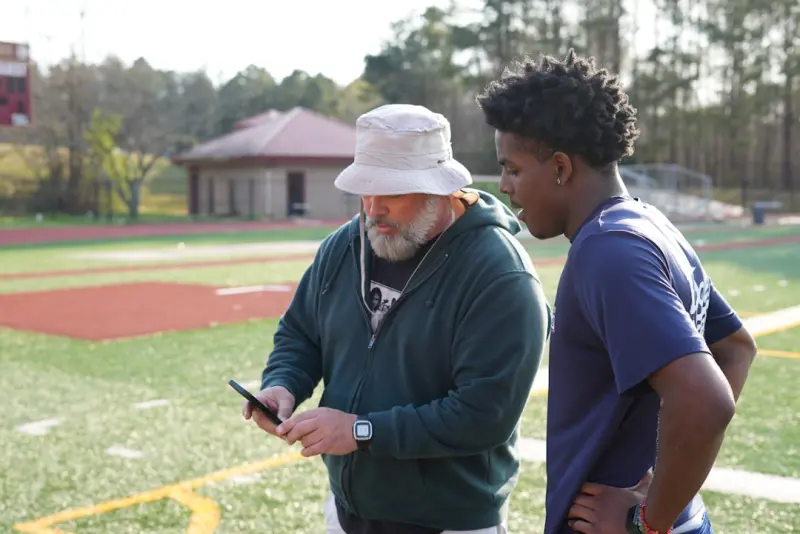
When I first laced up my worn‑out running shoes for a neighborhood 5K, I never imagined the race would become a laboratory for data. Fast forward to today, and the same streets are buzzing with athletes wearing sleek sensors, coaches monitoring live dashboards, and fans streaming split‑second stats on their phones. The sports world is undergoing a quiet revolution, one that’s less about the roar of the stadium and more about the hum of algorithms.
The Data Explosion in Grassroots Sports
Professional leagues have long been the early adopters of performance analytics—think player tracking systems, advanced video breakdowns, and wearables that measure heart rate variability. But the trickle‑down effect is finally reaching community fields, high‑school gyms, and even backyard pick‑up games.
- Wearable tech is now affordable. A basic heart‑rate strap costs less than a monthly streaming subscription, making it accessible to weekend warriors.
- Smart phones double as data hubs. With built‑in GPS, accelerometers, and gyroscopes, a runner’s phone can capture distance, cadence, and even vertical oscillation without a separate device.
- Open‑source platforms democratize analytics. Coaches can now download free dashboards that visualize training load, recovery, and injury risk in real time.
These tools have turned what was once “just a game” into a continuous feedback loop. The result? Athletes can fine‑tune their technique after every sprint, and coaches can adjust training plans on the fly—no more waiting weeks for a post‑season review.
From Intuition to Insight: AI‑Driven Intent Mapping in Sports
One of the most exciting cross‑overs from the SaaS world to sports is AI‑driven intent mapping. Originally designed to predict what a user is looking for in a search engine, the same technology can predict an athlete’s next move or a fan’s likely engagement.
Imagine a youth soccer coach who knows, before the game even starts, which players are most likely to be fatigued based on their recent training load and sleep patterns. AI can flag those athletes, suggesting substitution strategies that keep the team sharp while protecting the player’s health.
Beyond the field, intent mapping can personalize fan experiences. By analyzing a fan’s previous interactions—such as the types of highlights they watch or the merchandise they browse—clubs can serve tailored content that keeps the audience hooked, turning casual spectators into lifelong supporters.
Listening to the Crowd: Real‑Time Fan Sentiment Analysis
The modern fan is vocal, and their voice travels fast across social platforms. To stay ahead, clubs are adopting real‑time fan sentiment analysis. This isn’t just about tracking hashtags; it’s about converting every mention into actionable insight.
During a live match, a sudden surge of negative sentiment about a referee’s decision can be detected within seconds. Teams can respond—perhaps by releasing a clarifying statement or adjusting the in‑game commentary—to mitigate backlash. Conversely, a wave of excitement about a rookie’s performance can be amplified through targeted highlights, merchandise drops, and interactive polls.
For smaller clubs with limited PR resources, these tools level the playing field. By automating sentiment tracking, even a community league can engage fans with the same finesse as a global franchise.
Observability Stacks for Athlete Performance
If you’ve ever managed a complex SaaS product, you know that observability stacks for athlete performance are the next logical step. In the tech world, observability means you can ask any question about a system’s behavior and get an answer instantly. Apply that to sports, and you get a comprehensive view of every physiological and mechanical metric.
Key components include:
- Metrics collection. Continuous streams of data from wearables—heart rate, lactate threshold, stride length—are ingested into a central repository.
- Tracing. By mapping the sequence of events leading up to a performance spike or injury, coaches can identify causal patterns.
- Logging. Detailed logs capture contextual information like weather conditions, nutrition intake, and sleep quality.
When these layers are combined, coaches get a live “health dashboard” that highlights when an athlete is approaching a performance ceiling or a risk threshold. The insight is not just reactive; it’s predictive, allowing for preemptive adjustments that keep athletes at peak condition.
Case Study: The Rise of a Data‑First Community Basketball League
Last season, the Oakwood Community Basketball Association (OCBA) decided to pilot a data‑first approach. Here’s what they did:
- Implemented wearables. Every player wore a low‑cost sensor that logged jump height, sprint speed, and heart rate.
- Integrated a cloud dashboard. Coaches accessed a shared view that visualized team fatigue levels after each game.
- Leveraged AI intent mapping. The system suggested optimal line‑ups based on player readiness and opponent tendencies.
- Activated real‑time fan sentiment analysis. Fans could vote on “player of the game” through a mobile app, with results displayed on the arena’s scoreboard.
The outcomes were striking:
- A 15% reduction in injuries compared to the previous season.
- An average 5-point increase in team scoring efficiency, attributed to smarter rotation decisions.
- Fan engagement metrics jumped, with 30% more social interactions per game.
OCBA’s success underscores a broader truth: when data, AI, and fan insights converge, even modest community sports can punch well above their weight.
Balancing Tech with Tradition
It’s tempting to think that more data automatically means better performance. However, the human element remains critical. Coaches must interpret analytics through the lens of experience, and athletes need to feel empowered, not micromanaged.
Here are three guiding principles to keep the balance right:
- Start with a clear goal. Whether it’s reducing injuries or enhancing fan loyalty, define what success looks like before layering on tools.
- Keep it simple. Overloading a team with dashboards can cause analysis paralysis. Focus on the top three metrics that matter most to your sport.
- Iterate responsibly. Test new technologies in a low‑stakes environment—like a preseason scrimmage—before rolling them out league‑wide.
The Future: Hyper‑Personalized Sports Experiences
Looking ahead, we’re entering an era where the line between athlete and audience blurs. Imagine a scenario where a runner’s smartwatch syncs with a city’s public lighting system, dimming streetlights to match the athlete’s pacing cadence, creating an immersive “living track.” Or think of a soccer fan whose AR glasses overlay live stats on players as they move across the field, all powered by the same observability stacks that track athlete health.
These hyper‑personalized experiences won’t be limited to elite venues. As device costs drop and open‑source analytics mature, small clubs and even backyard games will have access to the same level of interactivity that today’s mega‑events boast.
Getting Started: A Playbook for Coaches and Clubs
If you’re ready to bring data‑driven coaching to your team, follow this simple playbook:
- Assess your current tech stack. Identify what devices (smartphones, wearables) you already have.
- Choose a lightweight analytics platform. Look for solutions that integrate with existing devices and offer cloud dashboards.
- Train your staff. Ensure coaches and assistants understand how to read the data and translate it into actionable decisions.
- Engage your fans. Deploy a basic sentiment analysis tool or social listening channel to capture real‑time reactions.
- Iterate and refine. Use the data to set baseline metrics, then track improvements over each season.
Remember, the goal isn’t to replace the human spirit of sport but to enhance it. When data serves as a teammate, not a boss, the possibilities are limitless.
In the end, whether you’re a seasoned coach, a fledgling club manager, or a passionate fan, embracing data and AI can transform the way you train, compete, and connect. The future of sports is already here—it’s just waiting for you to lace up and log on.

Ryan Stuart is a seasoned freelance features writer, editor, and professional photographer with a passion for exploring the world and capturing its beauty through words and images.
Related Posts

From the Sidelines to the Cloud: How Amateur Teams Can Leverage Data Without Losing the Game
A practical guide for community coaches on building a lean data stack, turning metrics into actionab... Read More

The Data-Driven Athlete: How Real‑Time Analytics Are Redefining Sports Performance
From smart shoes to AI‑powered feedback, athletes today are becoming their own data scientists. Th... Read More

Game On: How Sports Are Scoring Big on Sustainability
From solar‑powered stadiums to biodegradable gear, Karen Edwards reveals how the sports world is e... Read More
Top Posts

Voice‑First Appliances: The Quiet Home Revolution
Voice‑first appliances are turning everyday chores into conversational experiences, improving accessibility and energy awareness while paving the way for a mo...Read More

When AI Becomes Your Product Partner
AI is no longer just an automation tool; it’s becoming a true partner in product development, from ideation to deployment, offering data‑driven recommendati...Read More

Beyond the Scoreboard: How Sports Are Shaping a Sustainable Future
From green jerseys to eco‑stadiums, discover how the world of sports is redefining victory through purpose‑driven action, fan engagement, and lasting commun...Read More

Embracing Sustainable Home Practices for a Greener Tomorrow
Learn how to make your home more sustainable with simple swaps, reducing waste, and incorporating eco-friendly materials into your decor and design. Start your ...Read More
0 Comments
Post Comment
You will need to Login or Register to comment on this post!