
Why Decentralized Social Networks Are the Internet’s Next Great Reset
When I first signed up for a new social platform, I was drawn by the glossy UI, the promise of “connect with anyone,” and the endless feed of curated content. Fast forward a few months, and the same platform had quietly changed its terms of service, introduced a new algorithm that prioritized paid influencers, and started serving ads that felt eerily personal. It’s a familiar story—one that has become the default narrative for the modern internet. But what if we could flip the script? What if the very architecture of social networking could be reshaped to give users—not corporations—control over their data, identity, and the flow of information?
Enter decentralized social networks (DSNs). These are not just another set of apps; they are built on a fundamentally different philosophy that leverages distributed ledger technology, peer‑to‑peer protocols, and open standards to eliminate the single‑point monopoly that has dominated our online interactions for the past two decades.
The Core Difference: Centralized vs. Decentralized
In a centralized model, a single entity owns the servers, the database, and the user interface. All content, metadata, and relationships are stored in one place, giving the owner the power to edit, delete, or monetize anything at will. This is why we see frequent “policy updates” that retroactively affect user posts, or why data breaches can expose millions of accounts in a single incident.
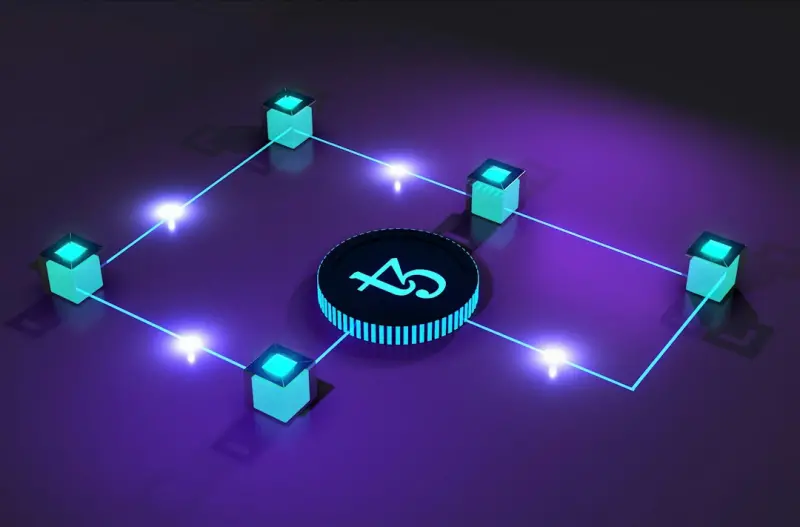
By contrast, a decentralized network distributes data across a web of nodes, each of which can be independently operated. Users can choose which node (or “instance”) they trust, and the network’s consensus mechanisms ensure that no single point can unilaterally rewrite history. Think of it as the difference between a single landlord owning an apartment building versus a co‑op where each resident holds a key to the building’s shared spaces.
How Decentralization Reinforces Digital Sovereignty
Digital sovereignty is the idea that individuals should own and control their online personas the way they own physical property. In a DSN, this manifests through three key pillars:
- Self‑Sovereign Identity (SSI): Your profile, credentials, and reputation are stored in a wallet you control, not on a corporate server. You can present the same identity across multiple platforms without having to recreate it each time.
- Data Portability: Because data lives in open formats, you can migrate from one instance to another without losing followers or history. No more “export your data” hoops.
- Permissioned Access: Granular privacy settings let you decide who sees what, and the network enforces those rules cryptographically.
These capabilities sound futuristic, but they are already being piloted in early‑stage networks like Mastodon, Scuttlebutt, and newer blockchain‑based platforms. While they may not yet match the polish of mainstream giants, the underlying principles are already proven in other domains—think of how data mesh has reshaped enterprise data ownership, allowing teams to own their data domains without a central bottleneck.
Economic Incentives: Tokens, Rewards, and the New Attention Economy
One of the biggest criticisms of decentralized platforms is the perceived lack of a viable business model. However, the rise of tokenomics provides a fresh set of incentives:
- Creator Tokens: Content creators can mint their own tokens, allowing fans to tip, vote, or even co‑own a piece of the creator’s ecosystem.
- Staking for Moderation: Users can stake tokens to become moderators, earning fees for keeping the community healthy.
- Ad‑Free Revenue: Rather than selling impressions, platforms can allocate a portion of transaction fees to support open‑source development.
This model shifts the value from “selling you data” to “rewarding you for contributing value.” It also aligns incentives across the ecosystem: developers, users, and curators all benefit from a thriving network.
Technical Building Blocks You Should Know
Behind every DSN are a handful of open‑source protocols that make decentralization possible:
- ActivityPub: An W3C standard used by Mastodon and many other federated services to exchange social data.
- IPFS (InterPlanetary File System): A peer‑to‑peer hypermedia protocol that stores content in a distributed hash table, ensuring that files are resilient to server outages.
- Ethereum & Other Smart‑Contract Platforms: Provide programmable money and governance mechanisms that can be used for token distribution, voting, and reputation systems.
If you’re a developer curious about dipping your toe into this space, start by experimenting with browser extensions that interact with decentralized APIs. Many extensions now let you post to multiple instances simultaneously, giving you a taste of the federated experience without leaving your favorite browser.
Privacy by Design—Beyond the Browser Extension Checklist
Most privacy guides focus on patching vulnerabilities in existing platforms—blocking trackers, disabling third‑party cookies, or auditing browser extensions. While those steps are essential, they address the symptoms rather than the root cause. Decentralized networks embed privacy into the architecture:
- End‑to‑end encryption is the default for direct messages.
- Metadata is minimized; most actions are signed but not publicly logged.
- Data is stored in user‑controlled nodes, reducing the attack surface for mass data harvesting.
By moving from a “privacy‑after‑the‑fact” mindset to a “privacy‑by‑design” one, we can dramatically lower the risk of large‑scale breaches that have become headline news.
Governance: Who Decides What?
One of the biggest fears around decentralization is the potential for “anarchy”—a wild west where bad actors can spread misinformation unchecked. The answer lies in community governance models that blend democratic decision‑making with technical safeguards:
- DAO (Decentralized Autonomous Organization) Structures: Token holders vote on policy changes, content moderation rules, and feature roadmaps.
- Reputation Systems: Users earn reputation through positive contributions, which can grant them higher moderation privileges.
- Federated Moderation: Each node can enforce its own content policies, but cross‑instance communication allows for shared blacklists of abusive actors.
This multi‑layered approach ensures that while no single entity has absolute power, the network can collectively enforce standards that keep it safe and welcoming.
Real‑World Use Cases: From Communities to Enterprises
While many people think of DSNs as niche platforms for tech enthusiasts, enterprises are already exploring them for internal communication and brand engagement:
- Employee Advocacy: Companies can create private instances where employees share vetted content without risking corporate data leakage.
- Customer Support Communities: A decentralized forum lets power users help each other, reducing support costs and fostering brand loyalty.
- Supply‑Chain Transparency: By integrating with blockchain, manufacturers can share provenance data directly with consumers on a public DSN.
These applications illustrate that decentralization is not just a philosophical statement; it’s a practical tool for solving real business challenges.
Challenges and the Road Ahead
No technology is without hurdles, and DSNs are no exception. Some of the most pressing challenges include:
- User Experience (UX): The learning curve can be steep for non‑technical users. Seamless onboarding flows are still a work in progress.
- Scalability: Distributed networks must balance speed with redundancy. Advances in layer‑2 solutions and sharding are promising, but the ecosystem is still maturing.
- Regulatory Uncertainty: As governments grapple with data sovereignty, the legal status of decentralized platforms remains a gray area.
Nevertheless, the trajectory is clear: the demand for more control, transparency, and ethical data practices is growing. As more users and businesses adopt these platforms, the pressure on centralized giants to adapt will increase—much like how the rise of micro‑automation tools forced legacy software vendors to rethink their product roadmaps.
Getting Started—Your First Step Towards a Decentralized Social Presence
If you’re intrigued but unsure where to begin, here’s a quick starter kit:
- Pick an Instance: Choose a federated platform like Mastodon, PeerTube, or a newer token‑based network. Look for communities aligned with your interests.
- Create a Self‑Sovereign Identity Wallet: Tools like SSI Wallet or MetaMask can store your credentials securely.
- Connect Your Existing Accounts: Use bridge tools or browser extensions that sync your posts across multiple instances.
- Explore Token Incentives: If the network offers creator tokens, experiment with minting a small batch and rewarding early followers.
- Participate in Governance: Join a DAO, attend community calls, and vote on policy proposals to shape the future of the platform.
By taking these steps, you’ll not only diversify your digital footprint but also become part of a movement that aims to restore balance between users and platforms.
Conclusion: A More Human Internet Is Within Reach
The internet was built on the promise of open communication, collaboration, and empowerment. Over time, that promise has been eroded by a handful of corporations that monetize attention and data at the expense of user autonomy. Decentralized social networks offer a tangible pathway back to the original vision—a web where you decide how your data is used, who sees your content, and how value is distributed.
Adopting a DSN is not a silver bullet; it requires patience, education, and a willingness to experiment. But the potential rewards—greater privacy, true ownership, and a healthier digital ecosystem—are compelling enough to merit serious consideration. As we look ahead, the question isn’t “Will decentralized social networks replace the giants?” but rather “Will we, as users and creators, take the reins and steer the internet toward a more equitable future?”

Sanji Patel has dedicated 25 years to the SEO industry. As an expert SEO consultant for news publishers, he emphasizes providing both technical and editorial SEO services to news publishers worldwide. He frequently speaks at conferences and events globally and offers annual guest lectures at local universities.
Related Posts

Edge‑First Internet: The Next Wave of Online Innovation
The post explains how shifting from centralized cloud architecture to edge‑first networks is revol... Read More

The Intersection of Technology and Sustainability: A New Era of Eco-Friendly Internet
The internet and sustainability are inextricably linked. Learn how eco-friendly practices are transf... Read More

Edge Browsing: How the Internet’s New Architecture Is Redefining Real‑Time Interaction
Edge computing is reshaping the internet by moving processing closer to users, delivering instant pa... Read More
Top Posts

Designing for Neurodiversity: Inclusive Web Experiences That Stick
Explore strategies for building web experiences that empower neurodivergent users, from adaptive micro‑interactions to inclusive color palettes, ensuring ever...Read More

AI Knowledge Management: From Information Overload to Strategic Insight
Discover how AI can transform fragmented data across product, support, and sales into a living knowledge network, boosting efficiency and innovation for SaaS co...Read More

Why Co‑Living Is the Next Social Renaissance
Co‑living blends shared purpose, design, and technology to create vibrant, community‑first homes, offering a solution to the isolation of remote work and a ...Read More

Why WordPress Is the Secret Weapon for Building Scalable B2B SaaS Experiences
WordPress isn’t just for blogs; it can serve as the backbone of a scalable B2B SaaS product. Learn headless strategies, custom APIs, multi‑tenant patterns, ...Read More
0 Comments
Post Comment
You will need to Login or Register to comment on this post!