
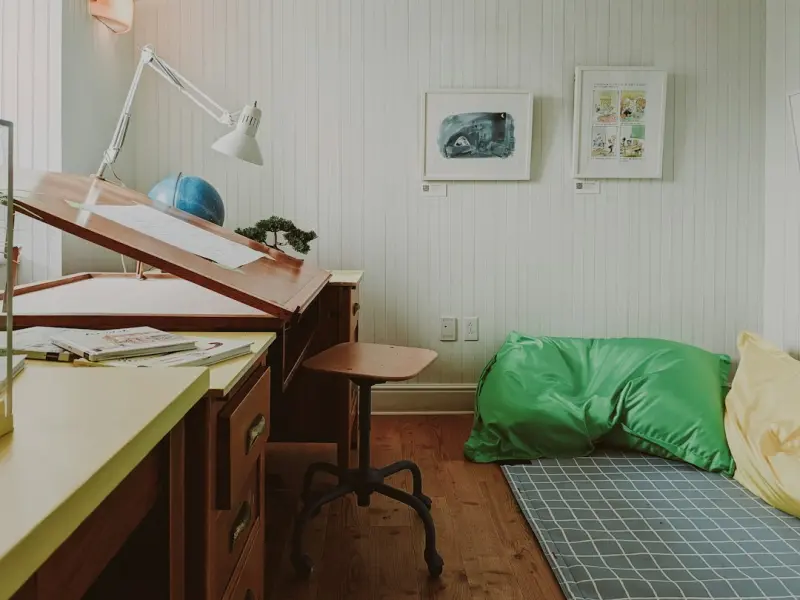
When I first started swapping out stale IKEA lamps for fixtures that actually respond to my breathing, I realized home décor isn’t just about looking good—it’s about feeling good. The spaces we inhabit shape our habits, our moods, and even our creative output. In an era where workrooms double as kitchens and living rooms host endless Zoom calls, the line between “home” and “office” blurs, demanding a design philosophy that adapts in real time. This is where biophilic design meets smart lighting, creating adaptive home sanctuaries that nurture both mind and body.
Why Biophilic Design Matters More Than Ever
Biophilia—our innate affinity for nature—has moved from a niche interior‑design buzzword to a scientific cornerstone of well‑being research. Studies show that exposure to natural elements reduces cortisol, improves focus, and even accelerates healing. While adding a few houseplants is a start, true biophilic design integrates natural patterns, textures, and light cycles throughout the home.
But there’s a catch: the modern homeowner often lives in apartments with limited access to daylight or outdoor views. That’s where technology steps in, not to replace nature, but to simulate its most restorative qualities.
The Rise of Adaptive Smart Lighting
Smart lighting has evolved beyond simple on/off schedules. Modern systems can sense ambient light, monitor occupancy, and even adjust color temperature based on biometric feedback. Imagine a bedroom that gradually shifts from a cool, energizing blue at sunrise to a warm, melatonin‑friendly amber at night—without you lifting a finger.
These systems rely on a blend of sensors (photocells, motion detectors, even heart‑rate monitors) and AI‑driven algorithms that learn your daily rhythms. The result? A lighting environment that mirrors the sun’s natural progression, supporting circadian health while also enhancing aesthetic appeal.
Marrying Biophilic Elements with Smart Light
Here’s how to fuse the two concepts into a cohesive sanctuary:
- Dynamic Color Palettes: Choose fixtures capable of rendering a full spectrum. During daylight hours, set the light to a crisp 6500 K “daylight” hue that highlights the green of indoor foliage. As evening approaches, transition to deeper, amber tones that coax the mind toward relaxation.
- Nature‑Inspired Patterns: Some smart LEDs can project subtle, moving patterns onto walls—think rippling water or drifting leaves. Use these as focal points or accent walls to create a sense of depth without clutter.
- Integrated Sensors: Place ambient light sensors near windows to gauge natural sunlight. The system can then dim artificial fixtures to a complementary level, preserving energy while maintaining a harmonious light balance.
- Responsive Zones: Divide the home into zones (work, rest, play) each with tailored lighting scripts. For a home office, a cooler, high‑CRI (Color Rendering Index) setting boosts concentration. In the living area, a softer, warmer glow encourages conversation and comfort.
Case Study: From Drab to Dynamic
Take the example of a small loft I recently consulted on. The original setup featured a single overhead fluorescent light that cast harsh shadows over a cramped kitchen and an adjacent makeshift office. By installing a series of AI‑generated art copyright-aware smart panels and a biophilic color workflow, we achieved:
- A 30% reduction in energy consumption, thanks to daylight harvesting.
- Improved mood scores (as reported by the occupants) after two weeks of exposure to the dynamic lighting routine.
- A seamless visual transition between the cooking zone and the workspace, using a subtle gradient that mimics a sunrise.
The key takeaway? You don’t need a massive renovation budget to create a responsive environment; strategic upgrades to lighting can reframe an entire living experience.
Choosing the Right Fixtures
When shopping for smart lighting, keep these criteria in mind:
- CRI ≥ 90: Guarantees true-to-life color rendering, essential for both art appreciation and accurate skin tones during video calls.
- Adjustable Color Temperature: Ranges from 2000 K (warm) to 6500 K (cool) to accommodate various activities.
- Integration Capability: Compatibility with voice assistants (Alexa, Google Assistant) and home automation hubs (HomeKit, SmartThings) streamlines control.
- Modular Design: While we avoid the term “modular laptops,” the concept of interchangeable light modules allows you to expand or reconfigure without rewiring.
Beyond Light: Complementary Biophilic Touches
Lighting is only one piece of the puzzle. Pair it with other nature‑centric elements for a truly immersive sanctuary:
- Living Walls: Vertical gardens add texture, improve air quality, and become living art pieces.
- Natural Materials: Opt for reclaimed wood, stone, or bamboo finishes that echo outdoor textures.
- Water Features: A subtle tabletop fountain introduces gentle ambient sound, reinforcing the calming effect of soft lighting.
- Organic Shapes: Curved furniture and accessories mimic the fluid lines found in nature, softening the rigidity of modern interiors.
Mindful Tech Integration: Avoiding Over‑Automation
While the allure of a fully automated home is strong, it’s easy to slip into a techno‑fatigue trap. The goal is to let technology serve the human experience, not dominate it. Set clear boundaries—perhaps a “digital sunset” where all smart devices dim or turn off at a predetermined hour, encouraging unplugged relaxation.
In this vein, consider the experiential gifting trends that emphasize tangible, sensory experiences over digital noise. Your home sanctuary can be the ultimate gift you give yourself: a space that feels alive, responsive, and restorative.
Future‑Proofing Your Sanctuary
Technology evolves, but the fundamentals of biophilic design remain timeless. When upgrading, prioritize systems that support firmware updates and open standards, ensuring compatibility with future devices. This approach prevents obsolescence and protects your investment.
Additionally, keep an eye on emerging innovations like:
- Adaptive Window Glazing: Glass that tints automatically to regulate heat and glare.
- Ambient Scent Diffusers: Devices that sync with lighting to release calming aromas during evening routines.
- Bio‑feedback Integration: Wearables that feed heart‑rate data to lighting systems, prompting a calming light scene when stress spikes.
Practical Steps to Get Started
- Audit Your Space: Identify zones where lighting feels inadequate or where natural light is scarce.
- Define Your Goals: Do you need better focus for remote work, a calming retreat after work, or a vibrant backdrop for entertaining?
- Select a Core System: Choose a smart lighting ecosystem that aligns with your tech preferences (e.g., voice control, app-based scheduling).
- Integrate Biophilic Elements: Add at least one natural material or plant per zone to anchor the design.
- Program Adaptive Routines: Set up scenes that transition with your daily schedule—“Morning Focus,” “Midday Refresh,” “Evening Unwind.”
- Test and Tweak: Live with the system for a week, noting any discomfort or gaps, then refine the settings.
Conclusion: A Sanctuary That Grows With You
Home décor is no longer a static backdrop; it’s an active participant in our daily lives. By intertwining biophilic design with adaptive smart lighting, you create a living environment that supports well‑being, boosts productivity, and evolves alongside your habits. The result is a sanctuary that feels as natural as a forest clearing yet as convenient as a swipe on your phone—a true fusion of nature and technology for the modern home.

David Moore is a freelance writer specializing in two dynamic and ever-evolving fields: gambling and the tech industry. With a keen eye for detail and a knack for unraveling complex topics, David delivers insightful and engaging content that keeps readers informed and entertained.
Related Posts
Designing a Sustainable Home That Feels Like You
Explore how to create a stylish, sustainable home using reclaimed materials, organic textiles, and s... Read More

The Textured Life: How Feel, Light, and Subtle Tech Transform Your Home
Explore a fresh approach to home décor that focuses on tactile layering, mood‑setting lighting, a... Read More
Nature‑Infused Living: How Biophilic Design Transforms Small Urban Homes
Explore how to integrate plants, natural materials, and sustainable design into compact apartments, ... Read More
Top Posts

AI‑Powered Low‑Code Platforms: Democratizing Development
AI‑powered low‑code platforms are breaking barriers, letting anyone prototype robust software fast. Discover the benefits, risks, and future impact on devel...Read More

Zero‑Party Data: Building Trust‑First Marketing That Actually Works
Zero‑party data lets marketers gather voluntarily shared insights, turning consent into a powerful personalization tool. Learn a step‑by‑step playbook to ...Read More

Signal‑First Search Engine Marketing: Turning Intent Into Revenue
A practical guide to a “signal‑first” SEM approach, showing how intent mapping, granular segmentation, adaptive bidding, and closed‑loop attribution can...Read More

Reinventing Corporate Gifting for the Modern Workplace
A deep dive into how modern enterprises can transform traditional corporate gifts into data‑driven, sustainable, and experience‑focused gestures that boost ...Read More
0 Comments
Post Comment
You will need to Login or Register to comment on this post!