
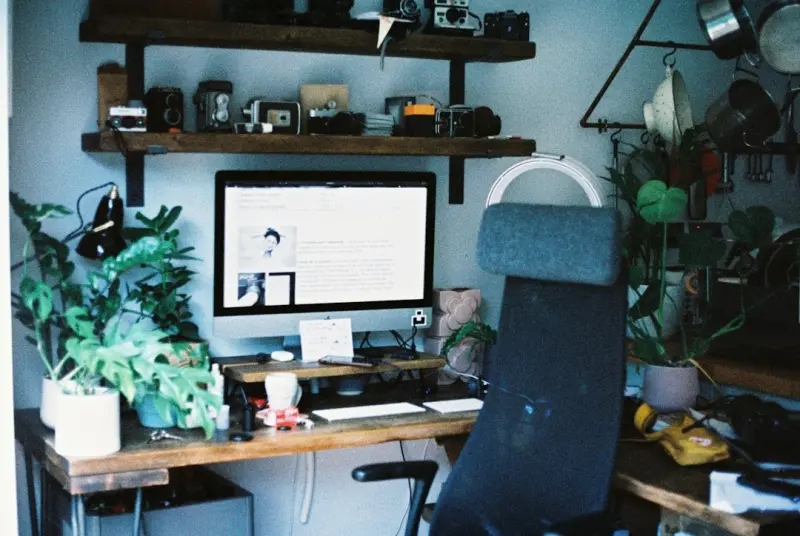
Why Your Home Office Needs More Than a Desk
When the pandemic turned kitchens into conference rooms and bedrooms into brainstorming hubs, most of us rushed to buy a desk, a chair, and a lamp. The result? Spaces that look functional but feel draining. As someone who has spent the last decade curating interiors for remote‑first companies, I’ve learned that a truly productive home office is less about square footage and more about the subtle cues that shape our mindset.
The Science of Color: Mood, Energy, and Productivity
Color is not just a decorative flourish; it’s a neurological trigger. Studies from environmental psychology show that blue hues can lower heart rate, encouraging focus, while warm tones like soft amber stimulate creativity. The trick is to balance these effects so you never feel trapped in a single emotional state.
- Cool blues for primary work zones—think a muted navy wall behind your monitor or a pastel teal bookshelf.
- Warm accents in secondary areas—an amber desk lamp or a rust‑colored rug to spark divergent thinking.
- Neutral grounding to prevent overstimulation—a light‑gray floor or off‑white ceiling that lets color breathe.
When I designed a tech startup’s headquarters, we painted the brainstorming room in a vibrant teal, while the quiet focus rooms stayed in muted sage. The result was a measurable uptick in both idea generation and deep‑work metrics.
Biophilic Design: Bringing the Outside In
Humans evolved in forests, not concrete boxes. Biophilic design—integrating natural elements into interiors—taps into that evolutionary memory. A single large‑leaf plant can increase perceived air quality by up to 15%, while a view of greenery reduces stress hormones.
Here are three ways to weave nature into a compact home office:
- Living walls. A vertical garden behind your desk provides a calming backdrop without sacrificing floor space.
- Natural textures. Choose reclaimed wood desk tops, cork bulletin boards, or stone coasters to engage the tactile sense.
- Organic lighting. Opt for daylight‑mimicking LEDs that shift temperature throughout the day, mirroring sunrise to sunset.
Even if you’re limited on sunlight, a smartphone‑powered lighting system can automate hue changes, ensuring your environment stays in sync with your circadian rhythm.
Acoustic Comfort: The Unsung Hero of Focus
Open‑plan offices taught us that sound is as crucial as sight. In a home setting, the echo of a kitchen timer or the hum of a dishwasher can fragment concentration. Acoustic panels—often dismissed as “office‑only”—are now available in stylish, fabric‑wrapped formats that double as wall art.
Try these low‑cost strategies:
- Soft floor coverings. A plush rug absorbs footfall and reduces reverberation.
- Strategic shelving. Bookshelves filled with books act as natural sound diffusers.
- Fabric curtains. Heavy drapes not only block glare but also mute external noise.
When I consulted for a remote‑first design firm, we installed acoustic panels in a client’s loft office. The client reported a 30% decrease in self‑reported distractions during video calls.
Ergonomics Meets Aesthetics
Ergonomics often feels clinical—think mesh chairs and adjustable desks. Yet, comfort doesn’t have to clash with style. Look for pieces that marry function with design language:
- Chair with sculptural form. A chair that resembles a piece of modern art can become a focal point while supporting lumbar health.
- Desk with built‑in cable management. Clean lines eliminate visual clutter, which is essential for a calm mind.
- Adjustable height platforms. These allow you to transition between sitting and standing, keeping circulation active without sacrificing visual harmony.
Pairing these elements with a sensory branding approach—using subtle scent diffusers or tactile desk mats—creates a multisensory experience that reinforces brand identity even when you’re working solo.
Personalization Without Clutter
Personal items humanize a space, but too many knick‑knacks can lead to visual noise. Curate with intention:
- One statement piece. A vintage map, a sculptural vase, or an heirloom photograph that tells a story.
- Rotating gallery. Use a magnetic board to swap out artwork or inspirational quotes weekly, keeping the environment fresh.
- Functional décor. A stylish timer, a designer pen holder, or a designer‑crafted notebook that doubles as a decorative element.
By limiting the number of personal objects, you preserve mental bandwidth for the tasks that matter.
Lighting Layers: From Task to Ambient
Lighting is rarely a one‑size‑fits‑all solution. A layered approach ensures you have the right illumination for every activity:
- Task lighting. Adjustable LED desk lamps with a high CRI (Color Rendering Index) for accurate color work.
- Ambient lighting. Overhead fixtures with dimmable controls to set the overall mood.
- Accent lighting. Small spotlights that highlight artwork or a bookshelf, adding depth.
Smart lighting can also sync with your calendar—bright, cool light during morning meetings, warm amber in the late afternoon to signal wind‑down.
Integrating Technology Seamlessly
Tech is inevitable, but it shouldn’t dominate the visual field. Conceal cables with built‑in desk channels, use wireless peripherals, and choose a monitor stand that doubles as a storage unit. A green cleaning routine for screens and surfaces ensures your tech stays pristine without harsh chemicals.
The Power of Flow: Arranging for Movement
Even in a small apartment, the layout can promote or hinder movement. Follow these principles:
- Clear pathways. Keep at least 3 feet of clear floor space around your desk to allow easy stretching and repositioning.
- Zoning. Separate “focus” and “relaxation” zones—perhaps a standing desk for deep work and a comfortable armchair for reading or brainstorming.
- Visual continuity. Use consistent flooring material across zones to avoid visual breaks that can disrupt mental flow.
When I re‑designed a coworking space for freelancers, we introduced a “movement corridor” that encouraged short walks between tasks, reducing fatigue and boosting creative output.
Future‑Proofing Your Space
Design trends shift, but good fundamentals endure. To keep your office adaptable:
- Modular furniture. Pieces that can be re‑arranged or expanded as your needs evolve.
- Neutral palette. Base colors that remain timeless, allowing accent changes without a full repaint.
- Technology‑ready infrastructure. Built‑in power strips and Wi‑Fi extenders hidden within décor.
By investing in flexibility now, you avoid costly overhauls when your work style changes.
Conclusion: The Art of Intentional Design
Designing a home office isn’t about splurging on the most expensive chair or the trendiest wall art. It’s about understanding how color, light, sound, and nature interact with your brain, and then curating each element with purpose. When you align your environment with the way you think and work, productivity becomes a natural by‑product, not a forced effort.
Whether you’re a solo entrepreneur, a remote team lead, or simply someone looking to improve daily focus, consider these principles as a roadmap. Your future self will thank you for the calm, creativity, and clarity that a thoughtfully designed space provides.

Margaret Thomson is a seasoned freelance writer specializing in the dynamic worlds of marketing and advertising. With a career deeply rooted in the marketing field, Margaret brings a wealth of practical experience and insightful knowledge to her writing.
Related Posts
The Intersection of Interior Design and Sustainability: A New Era for Homes
Explore the intersection of interior design and sustainability, and learn how to create eco-friendly... Read More
When Spaces Speak: Designing Interiors That Tell Your Story
Discover a fresh approach to interior design that blends curated imperfection, sensory layering, bio... Read More
The Intersection of Interior Design and Sustainable Living
Learn how to create a greener home with sustainable interior design. Discover eco-friendly design ti... Read More
Top Posts
The Rise of Entity‑First SEO: Why Search Engines Want Facts, Not Fluff
Entity‑first SEO shifts focus from keyword density to the underlying concepts that power search engines. Discover practical steps to map entities, implement s...Read More

Hidden Gems: Uncovering Niche WordPress Plugins That Supercharge Creativity
Explore hidden WordPress plugins that transform your site with dynamic visuals, semantic search, and streamlined performance, all while keeping your creative ed...Read More

Game-Changing Tech: How Real-Time Data is Redefining Sports Fanatics
From AR‑enhanced arenas to AI‑driven injury prevention, this deep dive reveals how real‑time data is reshaping every facet of sports, delivering richer fa...Read More

The Untapped Power of Behavioral Triggers in B2B Email Marketing
Learn to turn product usage signals into timely, hyper‑personalized emails that boost conversions, adoption, and retention for B2B SaaS, with a step‑by‑st...Read More
0 Comments
Post Comment
You will need to Login or Register to comment on this post!