

Reimagining the Home: A Designer’s Journey into Sensory‑First Spaces
When I first stepped into my childhood bedroom, I was hit by a wave of nostalgia that felt almost tactile. The faded teal paint, the soft‑worn rug, the faint scent of cedar from the closet—each element whispered a story. That moment reminded me why I fell in love with interior design: it’s not just about arranging objects; it’s about curating experiences that engage all five senses.
In my years of consulting for startups, boutique hotels, and residential clients, I’ve learned that the most memorable spaces aren’t those that follow the latest trend in marble or the most Instagram‑worthy color palette. They’re the rooms that make you feel something—whether it’s calm, curiosity, or even a quiet surge of confidence. Today, I’m sharing the framework I use to design sensory‑first interiors, a perspective that blends intuition, research, and a dash of technology.
The Five‑Senses Blueprint
Before any floor plan, I start with a simple sketch: a table listing sight, sound, touch, smell, and taste (yes, taste can be relevant in kitchens and dining rooms). For each sense, I ask three questions:
- What emotion do I want to evoke?
- Which materials, colors, or textures support that emotion?
- How will the space evolve over time?
This checklist forces me to move beyond aesthetics and consider how a room will feel at 9 am on a work‑day versus 9 pm on a weekend.
Sight: Light, Color, and the Psychology of Space
Lighting is the most immediate visual cue, yet many designers treat it as an afterthought. I begin by mapping natural light patterns across the day using a simple sun‑path tool. East‑facing windows are perfect for energizing breakfast nooks, while north‑facing walls provide a soft, diffused glow ideal for reading corners.
When it comes to color, I avoid the trap of “the season’s color of the year.” Instead, I pick hues based on emotional intent. A muted sage can foster concentration, while a deep indigo encourages introspection. The trick is to balance a dominant shade with neutrals that let the eye rest.
Sound: The Underrated Layer of Comfort
Acoustics often slip under the radar, especially in open‑plan homes. I love incorporating soft surface absorbers—think wool throws, cork wall panels, and acoustic ceiling tiles disguised as decorative plaster. These elements reduce reverberation without compromising style.
For clients who love music, I design subtle speaker niches that blend into the architecture. The goal isn’t a massive sound system; it’s a seamless auditory backdrop that enhances conversation rather than drowns it.
Touch: Texture as a Narrative Tool
Texture tells a story the eyes can’t. In a recent project, I paired a reclaimed wood dining table with hand‑woven linen placemats and a brushed‑metal pendant lamp. The juxtaposition of rough and smooth invited guests to explore the surface with their fingertips, creating an interactive dialogue.
When selecting fabrics, I prioritize durability and tactile pleasure. A high‑quality linen sofa may feel cool in summer and warm in winter, offering a dynamic comfort that synthetic fabrics can’t match.
Smell: Scent as a Spatial Signature
Smell is the most powerful memory trigger. I collaborate with boutique fragrance houses to craft custom scent profiles for each room. For a home office, I recommend a subtle citrus‑mint blend that sharpens focus; for a bedroom, a lavender‑sandalwood mix promotes relaxation.
Instead of relying on candles that can be overwhelming, I often use diffusing wood blocks or essential‑oil‑infused plaster. These methods release scent gradually, keeping the atmosphere balanced.
Taste: Designing for Culinary Delight
While taste may seem limited to kitchens, it influences how we experience adjoining spaces. A well‑designed pantry with clear glass jars and a tasting station invites spontaneous culinary creativity. In a home bar, I use a marble countertop that stays cool for glassware, enhancing the drinking experience.
Integrating Technology Without Losing Soul
Smart home devices can feel cold if not integrated thoughtfully. I’ve found a sweet spot by using technology to support the sensory narrative rather than dominate it. For instance, AI personal shoppers can suggest fabric swatches that complement existing color schemes, saving time while preserving the designer’s vision.
Another favorite tool is a green‑focused building management system. By monitoring indoor air quality and humidity, it ensures that the scent and tactile comfort remain optimal. The technology works behind the scenes, allowing occupants to enjoy a naturally pleasant environment without feeling “watched.”
Case Study: The Sensory Loft
One of my most rewarding projects was a loft conversion for a tech‑entrepreneur who wanted a space that felt both innovative and grounded. Here’s how I applied the five‑senses blueprint:
- Sight: I installed floor‑to‑ceiling glass doors that frame a city skyline, paired with a muted charcoal accent wall that absorbs excess light at night.
- Sound: A reclaimed timber wall behind the home office acts as a natural sound diffuser, reducing echo from the high ceilings.
- Touch: The lounge area features a plush, low‑pile velvet sofa and a hand‑tied sisal rug, inviting guests to linger.
- Smell: I placed a custom cedar wood diffuser near the entry, delivering a faint, grounding aroma that welcomes residents and visitors alike.
- Taste: The kitchen island incorporates a built‑in wine cooler and a small tasting nook with a quartz countertop that stays cool for cheese platters.
The result? A space that feels both high‑tech and human, where the client reported increased focus during work hours and a heightened sense of calm after hours.
Balancing Sustainability with Sensory Richness
Designing for the senses doesn’t have to clash with environmental responsibility. In fact, many sustainable choices naturally enhance tactile and olfactory experiences. Reclaimed wood, natural fibers, and low‑VOC paints improve indoor air quality while adding texture and warmth.
For those interested in deeper sustainability strategies, I recommend exploring resources on green business practices. While the article focuses on SaaS, its principles—like lifecycle assessment and circularity—translate beautifully to material selection in interior design.
Practical Tips for DIY Sensory Upgrades
Not everyone can hire a designer, but anyone can infuse a space with sensory intent. Here are five quick upgrades:
- Swap out harsh LED bulbs for warm‑tinted, dimmable lighting. A simple change can shift the mood dramatically.
- Introduce a textured throw or pillow. It adds visual interest and invites tactile interaction.
- Place a small indoor plant. Beyond aesthetics, it improves air quality and offers a subtle earthy scent.
- Use a natural oil diffuser. Choose a scent that aligns with the room’s purpose—citrus for focus, lavender for rest.
- Upgrade cabinet hardware to brushed brass or matte black. This tactile detail elevates daily routines.
Future‑Facing Interiors: The Role of Adaptive Environments
As we move toward more fluid living‑work arrangements, spaces must adapt to shifting needs. Imagine a bedroom that can subtly shift lighting and scent to transition from “wake‑up” to “wind‑down” modes, all without a single button press. While such concepts sound futuristic, the building blocks—smart lighting, programmable diffusers, and responsive acoustic panels—are already on the market.
Designers who embrace these adaptive tools will be able to create interiors that evolve with their occupants, offering a personalized, ever‑changing sensory landscape. The key is to keep the human experience at the center, using technology as an invisible facilitator.
Conclusion: Designing With All Five Senses in Mind
Interior design is a language, and the senses are its alphabet. By consciously addressing sight, sound, touch, smell, and taste, you create a narrative that resonates on a deeper level than any single trend can achieve. Whether you’re renovating a single room or reimagining an entire home, let the five‑senses blueprint guide your decisions. The result will be spaces that don’t just look good—but feel unforgettable.

Miranda Murphy: Experienced freelance writer with a decade of storytelling expertise. Let's create something amazing together!
Related Posts
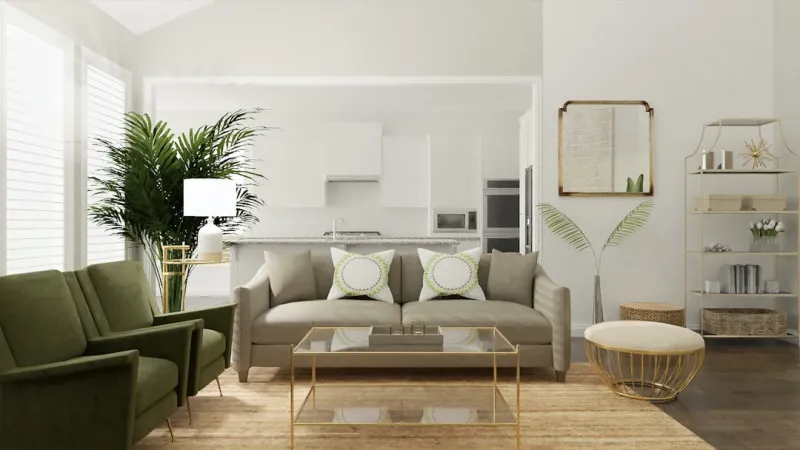
Sustainable Interior Design: How to Create a Healthy and Eco-Friendly Home
Learn how to create a healthy and eco-friendly home with sustainable interior design. Get tips on si... Read More
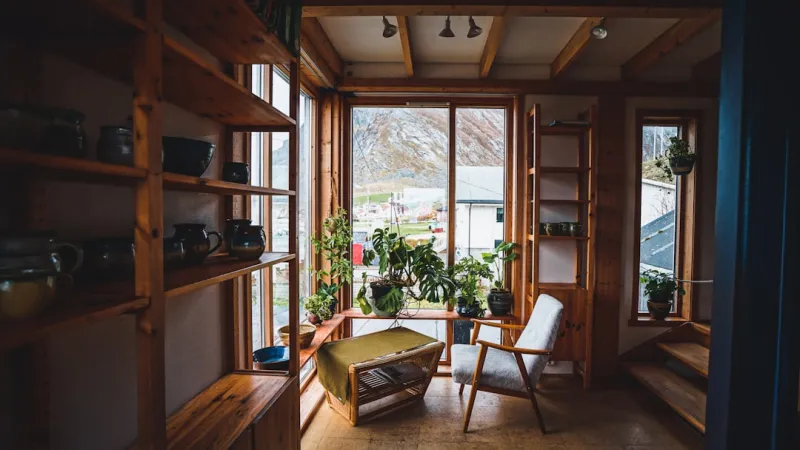
Jim Pearse’s Guide to Sustainable Interior Design Trends for 2024
Jim Pearse reveals the hottest sustainable interior design trends, blending style, wellness, and pla... Read More
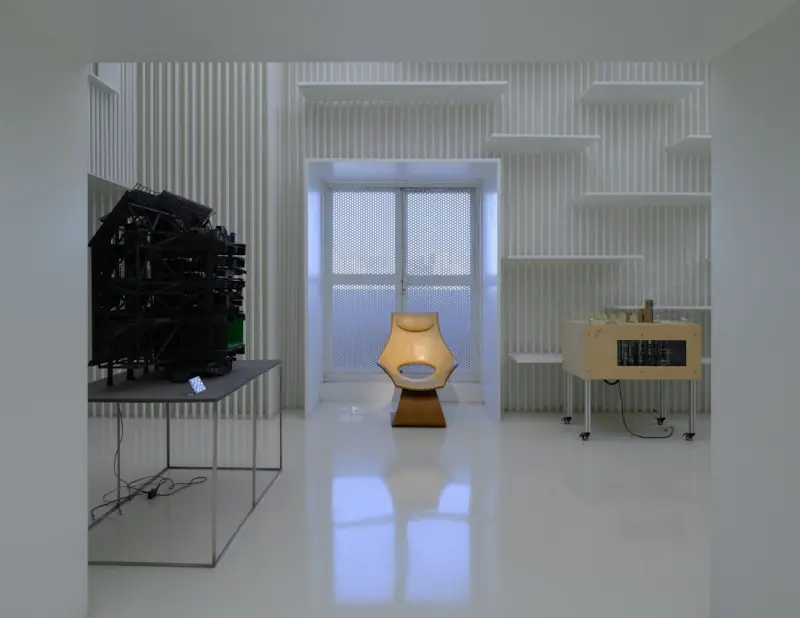
The Rise of Sensory‑Driven Spaces: Designing Interiors for Well‑Being and Focus
Discover the emerging trend of sensory‑driven interior design, where light, sound, texture, scent,... Read More
Top Posts
Data‑Driven Storytelling: Turning Real‑Time Insights Into Adaptive Campaigns
Media agencies are moving beyond static ads to data‑driven storytelling, using real‑time insights, edge processing, and AI‑generated creative to deliver a...Read More

The Intersection of Software and Sustainability: A New Era of Eco-Friendly Technology
The software industry has a significant role to play in shaping a more sustainable future. Learn how sustainable software development is driving eco-friendly pr...Read More

When Your Phone Becomes a Stress Hormone: Reclaiming Calm in a Hyperconnected Age
This article explores the hidden health toll of constant notifications and offers science‑backed micro‑unplugging strategies, community‑driven routines, a...Read More

Grassroots Sports Meet Data: How Community Teams Are Gaining a Competitive Edge
Community sports are embracing affordable wearables, cloud dashboards, and quick recovery rituals, turning raw data into actionable insights that level the play...Read More
0 Comments
Post Comment
You will need to Login or Register to comment on this post!