

Why Digital Neighborhoods Matter
In an age where physical streets are often replaced by scrolling feeds, people still crave the sense of belonging that a neighborhood once provided; the invisible fence of a city block is now drawn in code, and the chatter of neighbors arrives as notification pings. Digital neighborhoods emerge as the modern answer, offering a space where shared interests, mutual aid, and collective identity can flourish without the constraints of geography. As screens dominate daily life, these virtual clusters become the new town squares, quietly stitching together the frayed fabric of social connection.
What Defines a Digital Neighborhood?
A digital neighborhood is more than a group chat or a forum; it is a self‑curated ecosystem where members co‑create norms, exchange resources, and celebrate milestones, mirroring the rituals of a physical block while leveraging the scalability of the internet. Unlike broad‑stroke social networks that aim for mass appeal, these communities focus on depth, encouraging members to reveal their authentic selves through recurring events, local‑style newsletters, and even virtual “front‑yard” gatherings. The result is a sense of place that feels intimate yet inclusive, a hybrid of neighborhood watch, community garden, and cultural club, all housed in a shared digital space.
Building Trust Through Shared Economy Tools
Trust is the cornerstone of any thriving neighborhood, and in the digital realm it is cultivated through transparent, reciprocal exchanges that echo the age‑old practice of neighbors borrowing sugar or tools. Platforms that enable time banking illustrate how members can log hours of service and redeem them for help from others, turning intangible goodwill into a measurable currency that reinforces accountability. By quantifying generosity, these tools create a feedback loop where generosity begets generosity, allowing even strangers to feel the safety net typically reserved for long‑standing street‑side friendships.
Economic Resilience for Gig Workers
Gig workers, who often navigate precarious contracts and isolated work environments, discover in digital neighborhoods a buffer against the volatility of the freelance marketplace, gaining peer support that extends beyond simple job listings. Community‑driven platforms allow freelancers to share tips on contract negotiations, pool resources for health benefits, and collectively advocate for fair classification—a topic explored in depth in the gig economy discussion, highlighting how solidarity can shift power dynamics. This collaborative safety net not only mitigates financial anxiety but also restores a sense of camaraderie that traditional office spaces once provided.
Cultural Threads in Virtual Communities
Just as block parties and street festivals cement cultural identity in physical neighborhoods, digital neighborhoods weave their own tapestry of traditions through virtual celebrations, themed challenges, and shared storytelling sessions. Members co‑author digital murals, host live‑streamed concerts, and mark collective milestones—such as community‑wide reading months or collaborative art projects—that reinforce a shared narrative and collective memory. These cultural rituals serve a dual purpose: they celebrate diversity while fostering a common language that transcends geographic boundaries, ensuring that every participant feels seen and valued.
Facing the Dark Side: Moderation and Echo Chambers
While digital neighborhoods promise connection, they also risk devolving into echo chambers where dissenting voices are muted, and toxic behavior can spread unchecked without the informal social cues of a physical street. Effective moderation becomes essential, requiring a balance between safeguarding free expression and protecting members from harassment, misinformation, and groupthink. Community‑driven guidelines, transparent reporting mechanisms, and rotating moderation duties help maintain a healthy discourse, ensuring that the space remains a welcoming haven rather than a digital bunker.
Governance Models: From Moderators to Decentralized Protocols
Traditional online forums rely on a handful of administrators, but emerging digital neighborhoods experiment with decentralized governance, leveraging blockchain‑based voting, reputation scores, and smart contracts to distribute decision‑making power. This shift democratizes rule‑making, allowing members to propose, discuss, and ratify changes in a transparent manner that mirrors town‑hall meetings but without the constraints of physical attendance. Such models not only empower participants but also build resilience, as the community can adapt quickly to evolving needs without bottlenecked authority.
Hybrid Futures: Bridging Online and Offline Belonging
The most vibrant neighborhoods will likely blend the convenience of virtual interaction with the tactile richness of in‑person experiences, creating hybrid ecosystems where a digital meetup can spark a real‑world block clean‑up or a neighborhood garden project. By coordinating physical events through online calendars, sharing resources like tool libraries, and using geolocation features to connect nearby members, digital neighborhoods can extend their reach beyond the screen, reinforcing the age‑old adage that “it takes a village.” This symbiosis amplifies social capital, turning online goodwill into tangible community improvement.
Take the First Step: Create Your Digital Neighborhood
If you feel the pull of a more connected life, the easiest way to begin is to identify a shared passion—whether it’s sustainable cooking, local history, or freelance design—and invite like‑minded individuals to a dedicated platform or private group. Set clear expectations, establish simple rituals such as weekly check‑ins or monthly challenges, and experiment with trust‑building tools like time banking to lay a solid foundation. As the community grows, you’ll discover that the digital streets you pave can become as vibrant and supportive as any physical cul‑de‑sac, proving that belonging is a choice, not a circumstance.

Paul Flynn is a versatile freelance writer equipped with a diverse skillset and a portfolio that reflects his wide-ranging interests and expertise. From crafting compelling website copy and engaging blog posts to delivering in-depth articles and meticulously researched reports, Flynn demonstrates a remarkable ability to adapt his writing style to suit various audiences and purposes.
Related Posts

Reimagining Social Capital: The Community Time Bank Renaissance
Time banks turn every hour into a shared resource, leveling the playing field and strengthening soci... Read More
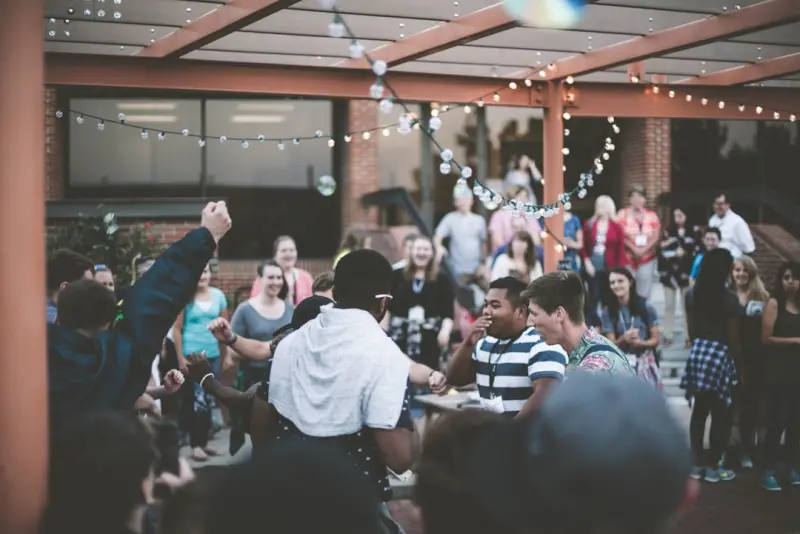
Micro-Events: Tiny Gatherings Revitalizing Urban Life
Micro‑events—small, pop‑up gatherings—are breathing new life into neighborhoods, fostering t... Read More

Neighborhood Swaps: How Small‑Scale Sharing Rewrites Social Connections
A look at how modest, everyday exchanges—like a doorstep swap or a community shelf—can transform... Read More
Top Posts

Micro‑Celebrations: Tiny Rituals That Transform Everyday Moments
Explore the power of micro‑celebrations—small, intentional rituals that turn everyday moments into lasting joy and stronger community bonds....Read More

Driving the Subscription Age: How Car Ownership Is Evolving
A deep dive into the rise of vehicle subscriptions, highlighting benefits for consumers, automakers, and fleets, while examining challenges, OTA updates, and th...Read More
Why Embedded Insurance Is the Next Growth Engine for SaaS Companies
Embedding insurance directly into SaaS products transforms risk management into a seamless, revenue‑generating service, aligning data, security, and customer ...Read More
Transforming Enterprise Knowledge Sharing with WordPress Multisite
A detailed guide on leveraging WordPress Multisite as an enterprise knowledge hub, covering security, scalability, integrations, and adoption strategies for sea...Read More
0 Comments
Post Comment
You will need to Login or Register to comment on this post!