
Why Your Closet Is the Next Frontier for Eco Innovation
When I first stared at my overflowing wardrobe, I felt the familiar tug of guilt that comes with every unworn piece. The truth is, fashion is one of the most polluting industries on the planet, yet most of us treat our closets as static storage rather than dynamic ecosystems. By reimagining clothing as a renewable resource, we unlock the ability to dramatically cut waste, lower carbon footprints, and express personal style without compromising the planet. Transforming the way we acquire, wear, and retire garments is not just a trend—it’s a necessary evolution for a truly sustainable lifestyle.
The Hidden Environmental Cost of Fast Fashion
Fast fashion thrives on cheap, disposable clothing that is churned out at breakneck speed, flooding landfills with synthetic fibers that never decompose. The production process consumes massive quantities of water, energy, and toxic chemicals, releasing greenhouse gases that accelerate climate change. Moreover, the global supply chain relies on labor practices that often exploit workers, adding a social injustice layer to the ecological damage. Understanding these hidden costs empowers us to make intentional choices that shift demand toward more ethical, circular alternatives.
Upcycling: Giving Old Garments a Second Life
Upcycling is the art of transforming existing clothing into fresh, fashion‑forward pieces, turning waste into wonder. By repurposing fabrics, adding embellishments, or redesigning silhouettes, you breathe new life into garments that would otherwise linger in landfills. This creative process not only reduces the need for new material production but also fosters a deeper connection to the clothes you wear. I’ve found that a simple crop‑top conversion or a patchwork denim jacket can become signature items that spark conversation and inspire others to join the movement.
Sourcing Sustainable Fabrics Without Compromise
Choosing the right fabrics is pivotal when building a green wardrobe. Natural fibers like organic cotton, hemp, and linen require fewer pesticides and less water than conventional cotton, while innovative materials such as Tencel and recycled polyester divert waste from oceans and landfills. When shopping, look for certifications such as GOTS or OEKO‑Tex, which guarantee responsible production standards. By prioritizing these options, you ensure that each new piece aligns with your eco‑friendly values without sacrificing comfort or style.
DIY Wardrobe Revamp: Simple Projects for Everyday Impact
Even if you’re not a seasoned seamstress, there are countless DIY projects that can instantly upgrade your closet’s sustainability score. Start with basic alterations—hemming pants to the perfect length, turning oversized shirts into stylish crop tops, or adding fabric‑covered buttons for a fresh look. For more adventurous makeovers, try dyeing old tees with natural plant dyes, or stitch together fabric scraps into a one‑of‑a‑kind tote. These hands‑on activities cultivate mindfulness about consumption and empower you to become the designer of your own eco‑chic narrative.
Community Swaps and Rental Platforms: Sharing Is Caring
One of the most effective ways to extend the lifespan of clothing is through community clothing swaps, where neighbors trade pieces they no longer need. These events foster a sense of camaraderie while drastically reducing the demand for new production. Additionally, fashion rental services allow you to enjoy high‑quality garments for special occasions without the long‑term environmental burden. By embracing sharing economies, you contribute to a circular fashion system that keeps resources in use and out of waste streams.
Leveraging Digital Tools to Track Your Eco Impact
Technology can be a powerful ally in your sustainable style journey. Apps that calculate the carbon footprint of your purchases or suggest eco‑friendly alternatives help you make data‑driven decisions. For instance, the Remote Work Revolution has sparked a surge in virtual wardrobes, enabling you to showcase outfits digitally before committing to a purchase. By integrating these tools into daily habits, you gain transparency and confidence that your fashion choices align with your environmental goals.
Measuring Success: Quantifying Your Wardrobe’s Carbon Savings
To stay motivated, it’s useful to track tangible results—such as the amount of water saved, kilograms of CO₂ avoided, or landfill space reclaimed. Simple spreadsheets or dedicated sustainability trackers can log each upcycled item, fabric swap, or rental, translating effort into measurable impact. Over time, these numbers tell a compelling story of progress, reinforcing the value of each conscious decision and encouraging continuous improvement in your eco‑fashion practices.
Future Trends: The Rise of Biodegradable and Closed‑Loop Textiles
Looking ahead, the fashion industry is beginning to embrace truly circular solutions, including biodegradable fibers that return to the earth after use and closed‑loop manufacturing where old garments are chemically recycled into new yarns. Brands experimenting with mushroom‑based leather or algae‑derived fabrics signal a shift toward materials that are both innovative and regenerative. Staying informed about these breakthroughs ensures you remain at the forefront of sustainable style, supporting companies that prioritize the planet.
Take the First Step Today
Transitioning to an eco‑friendly wardrobe may feel daunting, but every small action compounds into meaningful change. Begin by auditing your closet, identify pieces you can upcycle, and schedule a swap with friends. Choose at least one sustainably sourced garment for your next purchase, and track the impact using a digital tool. Remember, fashion is an expression of identity—let yours also reflect a commitment to a healthier planet. Together, we can turn closets from waste generators into powerful agents of environmental stewardship.

Freelance writer with a flare for everything. I am passionate about topics I write crafting stories and compelling content that connect with audiences. Journeying through the realms of creativity as a freelance creator. #WriterLife #ContentCreator
Related Posts
Eco-Friendly Living: A Comprehensive Guide to Sustainable Practices
Eco-friendly living is crucial for the well-being of our planet and its inhabitants. Learn how to ad... Read More
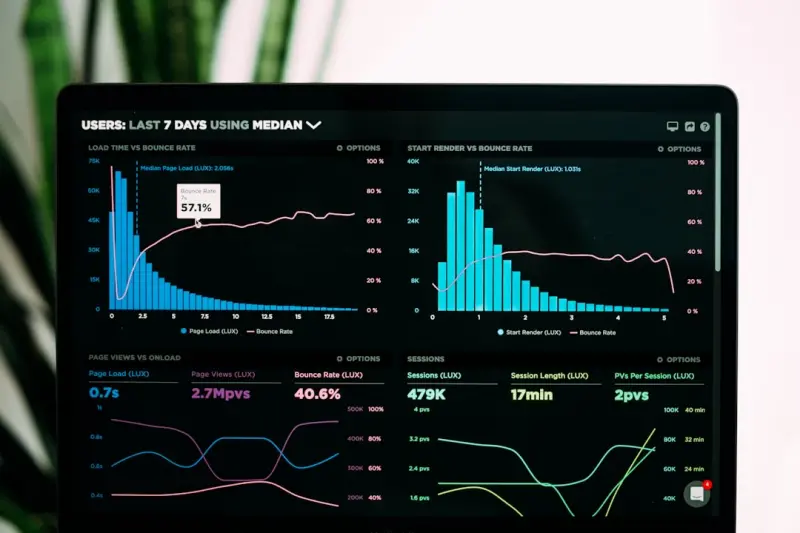
The Hidden Carbon Cost of Data: How to Shrink Your Digital Footprint
Discover how data storage, processing, and streaming inflate carbon emissions, and learn practical, ... Read More

How Remote Collaboration Can Shrink Your Carbon Footprint (And Boost Productivity)
A deep dive into the hidden carbon costs of virtual meetings and practical steps—like consolidatin... Read More
Top Posts
When Trust Becomes a Commodity: The Rise of AI‑Driven Scams in B2B SaaS
Scammers now wield AI to craft hyper‑personalized attacks that bypass traditional defenses. This post outlines emerging threats, real‑world case studies, an...Read More
When Play Becomes a Platform: The New Age of Smart, Modular Toys
Smart, modular toys are reshaping play into a platform for learning, collaboration, and sustainability, offering adaptable experiences for kids, parents, and re...Read More
Reimagining Media Agencies: A Sustainable Blueprint for the Future
Explore how media agencies can embed sustainability into planning, creative, and measurement, turning eco‑centric campaigns into profitable, trust‑building ...Read More
Invisible Impact: The Eco‑Friendly Shifts Transforming Office Culture
A deep dive into the hidden carbon costs of digital tools, zero‑waste office practices, and the cultural shifts needed for a truly sustainable workplace....Read More
0 Comments
Post Comment
You will need to Login or Register to comment on this post!