
Why Eco‑Cleaning Matters to Me
Growing up in a bustling city, I watched my parents struggle with harsh chemicals that left a lingering haze over our kitchen and a lingering worry on their faces; that early exposure sparked a lifelong curiosity about the invisible toll of conventional cleaners on both health and the planet. As a sustainability advocate, I’ve learned that every spray bottle, every wipe, and every rinse carries a cascade of micro‑pollutants that eventually seep into our waterways, disrupt ecosystems, and even affect our own respiratory systems—making the simple act of cleaning a silent battleground. Choosing eco‑friendly alternatives isn’t just a trend; it’s a conscious decision to align daily routines with the broader goal of reducing carbon footprints, supporting circular economies, and protecting the delicate balance of life that thrives in our homes and neighborhoods. By sharing my personal experiments, I hope to inspire readers to see cleaning as an opportunity for small, impactful change rather than an inevitable source of waste.
The Science Behind Green Cleaners
When I first dove into the chemistry of green cleaning, I was surprised to discover that many “natural” ingredients are not only biodegradable but also surprisingly effective at breaking down grease, grime, and bacteria without leaving harmful residues. Ingredients such as distilled white vinegar, baking soda, and citrus essential oils act as mild acids, mild abrasives, and natural antimicrobials, respectively, creating a synergistic effect that rivals many synthetic surfactants. Moreover, studies show that plant‑based surfactants derived from coconut or corn can achieve comparable foaming power while being fully compostable, reducing the load on wastewater treatment plants. Understanding these mechanisms empowers us to craft solutions that are both safe for our families and gentle on the environment, turning each cleaning session into a mini‑laboratory of sustainable chemistry.
Everyday Swaps That Add Up
One of the most rewarding aspects of my eco‑cleaning journey is realizing how tiny adjustments accumulate into massive savings for both the wallet and the planet; for instance, swapping disposable wipes for reusable microfiber cloths not only cuts landfill waste but also reduces the demand for single‑use plastics that often end up in oceans. Likewise, replacing commercial glass cleaners with a simple mixture of equal parts water and white vinegar eliminates the need for petroleum‑based solvents while delivering streak‑free shine on windows and mirrors. Below are a few of my go‑to swaps that have become staples in my household routine:
- All‑purpose spray: Eco‑Cleaning the Rose DesRochers Way – a blend of water, vinegar, and a few drops of tea tree oil.
- Floor cleaner: hot water, a splash of castile soap, and a citrus peel infusion for a fresh scent.
- Dishwashing: a mix of baking soda and lemon juice to tackle stuck‑on food without harsh detergents.
Each of these alternatives replaces a chemical‑laden product, and over the course of a year, the reduction in plastic packaging alone can amount to dozens of pounds of waste diverted from landfills, illustrating how consistency in small choices drives measurable impact.
DIY Recipes from My Kitchen
Inspired by the flavors of my family’s dinner table, I’ve turned pantry staples into powerful cleaning agents that are both fragrant and effective, proving that sustainability can be deliciously creative. My favorite all‑purpose spray combines one cup of distilled white vinegar, one cup of water, a tablespoon of baking soda for gentle scrubbing power, and a handful of rosemary or lavender essential oil for a soothing aroma that transforms chores into a calming ritual. For stubborn bathroom stains, I whisk together a paste of baking soda and lemon juice, allowing the citric acid to break down mineral deposits while the abrasive texture lifts grime without scratching surfaces. These recipes are not only cost‑effective—often costing less than a single store‑bought bottle—but also free from synthetic dyes and fragrances that can trigger allergies, making them ideal for households with children or pets. By documenting each batch and its performance, I’ve built a living library of solutions that continues to evolve as I experiment with new botanical extracts and waste‑free packaging.
Cleaning Tools That Respect the Earth
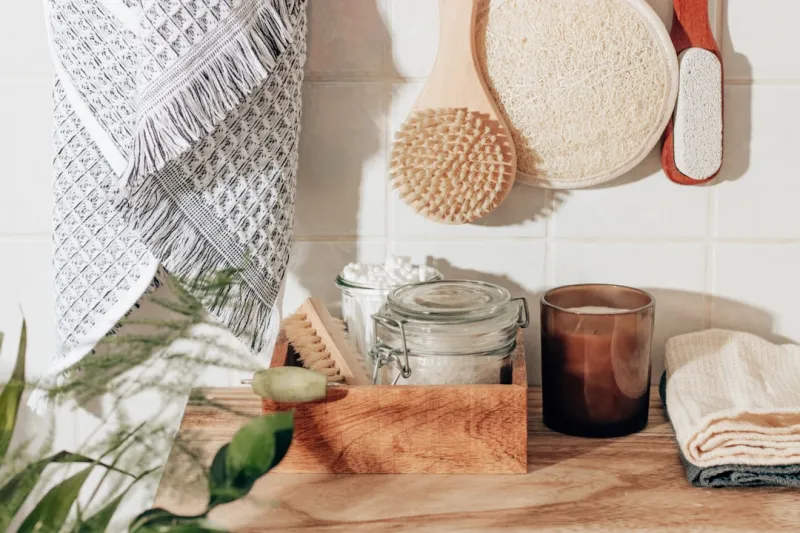
While ingredients are essential, the tools we use can either amplify or undermine our sustainability goals; that’s why I’ve invested in a curated set of reusable, ethically sourced cleaning implements that last for years. Bamboo scrub brushes, for example, offer natural antimicrobial properties and biodegrade gracefully at the end of their lifespan, unlike plastic counterparts that linger for centuries. Similarly, high‑grade microfiber cloths capture dust and microbes with fewer passes, reducing water usage and the need for harsh chemicals. I also favor refillable spray bottles made from recycled aluminum, which not only cut down on single‑use plastic but also keep my homemade solutions stable and odor‑free. By pairing these tools with my DIY formulas, I create a closed‑loop system where every element—from container to cleanser—is designed to minimize environmental impact, turning routine cleaning into a practice of stewardship.
Beyond the Home: Community Impact
Eco‑cleaning extends far beyond the four walls of our apartments; it offers a platform for community engagement, education, and collective action, especially when we share knowledge with neighbors and local organizations. I recently hosted a workshop at our community center where participants learned to make low‑cost, non‑toxic cleaners, and the response was overwhelming—people left with jars of their own creations and a renewed sense of agency over the chemicals that once seemed inevitable. Moreover, collaborating with local schools to introduce green cleaning kits has sparked curiosity among children, planting seeds for a generation that values sustainability as a default. These outreach efforts echo the broader narrative found in My Journey to a Healthier, Greener Life, where personal transformation fuels community empowerment, reinforcing the idea that individual habits can ripple outward to shape cultural norms.
Measuring Success: Metrics That Matter
To ensure my eco‑cleaning practices are genuinely making a difference, I track several key metrics that go beyond anecdotal satisfaction, such as the reduction in household waste weight, the number of single‑use cleaning products eliminated, and the carbon emissions saved by producing my own cleaners at home. Over the past twelve months, I’ve recorded a 45% decrease in plastic packaging waste and saved approximately 120 kilograms of CO₂ equivalents by substituting store‑bought chemicals with DIY formulas made from locally sourced ingredients. These numbers not only validate the effectiveness of my approach but also provide tangible data I can share with readers who seek evidence‑based guidance. By treating cleaning as a quantifiable component of sustainability, we can set realistic goals, celebrate milestones, and continuously refine our strategies for a cleaner, greener future.
Looking Forward: The Future of Eco‑Cleaning
The horizon for sustainable cleaning is bright, driven by innovations in biotech, circular design, and consumer demand for transparency; emerging enzyme‑based cleaners promise to break down organic stains at the molecular level without leaving harmful residues, while refill stations in major retailers aim to eliminate packaging waste altogether. As we anticipate these advancements, my commitment remains rooted in the simple yet powerful principle of “reduce, reuse, reinvent.” By staying curious, sharing successes, and encouraging others to experiment, we can collectively shift the market toward greener standards and inspire manufacturers to prioritize eco‑friendly formulations. I invite you to join me on this journey, to test recipes, to ask questions, and to celebrate each small victory—because together, our collective effort can turn everyday cleaning into a catalyst for planetary health.

Mei Chen is a dynamic professional who brings a unique blend of skills to Blogging Fusion. As a key contributor to the Blogging Fusion platform, she leverages her writing expertise to create engaging content that resonates with our audience.
Related Posts
The Evolution of Eco-Cleaning: A Greener Approach to a Healthier Home
Eco-cleaning is a powerful way to create a healthier and more sustainable home environment. Learn ab... Read More

The Evolution of Eco-Cleaning: How Technology is Revolutionizing the Way We Clean
The world of cleaning is evolving rapidly, with a growing emphasis on eco-friendly and sustainable p... Read More
The Power of Eco-Cleaning: A Sustainable Approach to a Healthier Home
Learn how to make a positive impact on the environment with eco-cleaning practices. Discover simple ... Read More
Top Posts
Sustainable Living for Seniors: A Practical Guide to a Greener Tomorrow
As seniors, we can make a positive impact on the environment by adopting sustainable living practices. Learn how to create a healthier, more sustainable lifesty...Read More
The Intersection of Social Media and Sustainability: A New Era of Environmental Responsibility
Social media is playing a critical role in promoting sustainability and environmental responsibility. Learn how online platforms are being used to share sustain...Read More

Embracing Sustainable Home Decor: A Guide to a Greener Living Space
Learn how to create a sustainable home through eco-friendly decor choices. Discover the benefits of sustainable home decor and get inspired with our guide to a ...Read More

The Art of Gifting in a Sustainable World
The way we approach gifting is changing. We're no longer just looking for something that will put a smile on someone's face, but also something that aligns with...Read More
0 Comments
Post Comment
You will need to Login or Register to comment on this post!