
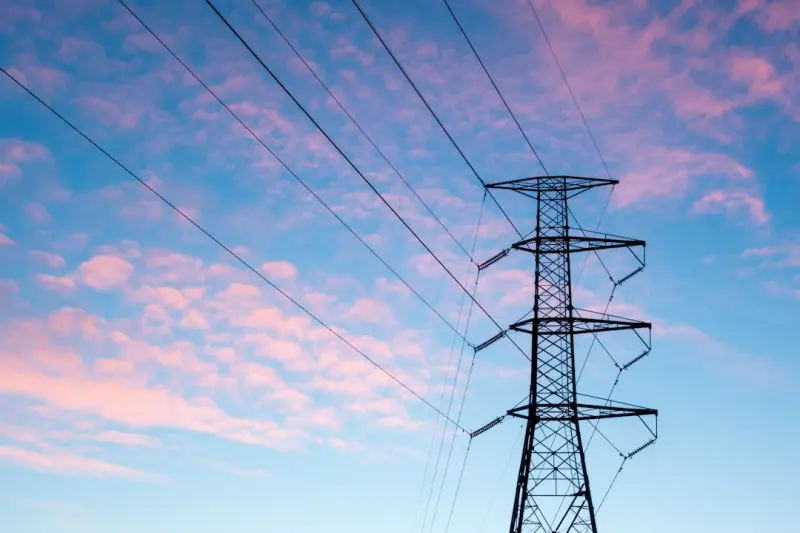
When I first walked into a data center that doubled as a small‑scale power plant, I felt the future humming in the rafters. Not the loud, diesel‑driven roar of the past, but a quiet, algorithm‑guided pulse that matched computing demand to renewable supply in real time. This convergence of software and electricity is more than a tech curiosity—it’s the birth of Energy-as-a-Service (EaaS), a model that treats power the way SaaS treats software: consumable, on‑demand, and billed by the unit of use.
Why “Power‑as‑Product” Isn’t Just a Buzzword
Traditional energy procurement is rooted in long‑term contracts, fixed tariffs, and massive capital expenditures. Companies lock in megawatt‑hours for years, often over‑paying for capacity they never fully use while under‑utilizing cleaner, cheaper sources that might be available nearby. EaaS flips this script. By packaging electricity, storage, and grid services into a subscription, businesses can scale up or down with the same agility they already enjoy in cloud computing.
Think of it as an “electricity API.” Instead of sending a purchase order to a utility, a firm makes an API call that instantly provisions renewable generation, battery buffering, and demand‑response signals. The result? A transparent, usage‑based bill that reflects actual consumption, carbon intensity, and reliability metrics.
Software Principles Meet Energy Infrastructure
Three SaaS principles translate directly into the energy realm:
- Elasticity. Just as a cloud platform spins up extra servers during a traffic spike, an EaaS platform can tap into distributed solar farms, wind turbines, or behind‑the‑meter storage to meet a sudden surge in demand.
- Multi‑tenancy. Multiple customers share the same physical assets—think of a community battery that serves several factories, each billed separately based on their draw.
- Observability. Real‑time telemetry, dashboards, and alerts give enterprises full visibility into their energy footprint, much like monitoring CPU usage in a SaaS app.
When these principles converge, the result is a resilient, cost‑effective energy supply chain that can adapt to market volatility, regulatory shifts, and sustainability goals.
The Role of AI in Making EaaS Viable
Artificial intelligence is the glue that binds the EaaS ecosystem together. Predictive models forecast renewable generation minutes ahead, while optimization engines allocate battery discharge to shave peak demand charges. Yet, as we hand more decision‑making to algorithms, AI Liability becomes a crucial conversation. Who is responsible if an AI‑driven dispatch decision inadvertently overloads a local grid? The industry is already drafting frameworks that blend technical safeguards with legal safeguards, ensuring that the promise of automation doesn’t become a liability nightmare.
Data as the New Energy Commodity
In the SaaS world, data is gold. In EaaS, data is both gold and the conduit that transforms raw power into a marketable service. Granular, time‑stamped consumption data enables:
- Dynamic pricing that rewards low‑carbon consumption during renewable peaks.
- Carbon accounting that feeds directly into ESG reporting tools.
- Marketplace participation, where excess generation can be sold back to the grid or to neighboring businesses.
Companies that invest in robust data pipelines will unlock new revenue streams, much like a software vendor who monetizes usage analytics.
From Centralized Grids to Distributed Networks
While the blog’s recent post on Community Microgrids highlighted local resilience, EaaS expands that concept beyond neighborhoods. Enterprises can join virtual microgrids that span multiple sites, creating a flexible network that balances supply and demand across a corporate footprint. This “virtual microgrid” model reduces reliance on any single utility, improves redundancy, and provides a platform for peer‑to‑peer energy trading within a corporate ecosystem.
Financial Implications: From CapEx to OpEx
One of the most compelling arguments for EaaS is the shift from capital expenditures (CapEx) to operational expenditures (OpEx). Instead of financing a new solar array or battery farm, a company subscribes to a managed service. This change frees up balance‑sheet resources for core business initiatives and reduces the risk associated with technology obsolescence. Moreover, the subscription model often includes maintenance, performance guarantees, and upgrade paths, ensuring that the energy infrastructure stays cutting‑edge without additional investment.
Regulatory Landscape and Market Incentives
Governments worldwide are tweaking regulations to accommodate new energy business models. Incentives for demand response, tax credits for renewable integration, and streamlined permitting for distributed assets all create a fertile environment for EaaS. However, navigating this patchwork of rules requires sophisticated compliance tools—another area where SaaS‑style platforms can shine, providing automated reporting and real‑time alerts when regulatory thresholds are approached.
Case Study: A Manufacturing Firm’s EaaS Journey
Consider a mid‑size manufacturer with three plants spread across the country. Traditionally, each site signed separate power purchase agreements, each with fixed rates and little flexibility. After adopting an EaaS solution, the firm consolidated its energy procurement into a single contract. The platform routed excess solar generation from the sunny Midwest plant to the cooler, wind‑rich Pacific site, stored surplus in a centralized battery, and optimized loads during peak demand periods. Over 12 months, the company reported a 22% reduction in energy spend and a 15% improvement in its carbon intensity score—results that were directly visible on the provider’s dashboard.
Challenges to Overcome
While the promise is bright, several hurdles remain:
- Interoperability. Legacy SCADA systems and modern IoT devices often speak different languages. Standardized protocols are essential for seamless integration.
- Data Privacy. Detailed consumption data can reveal operational secrets. Robust encryption and access controls are non‑negotiable.
- Market Maturity. Not all regions have mature energy markets that support real‑time pricing or peer‑to‑peer trading.
Addressing these challenges will require collaboration between utilities, technology providers, and regulators, mirroring the ecosystem that birthed SaaS.
The Road Ahead: From Service to Platform
We are already seeing the next evolution: Energy Platforms that not only deliver power but also host third‑party applications. Imagine a marketplace where developers can upload AI‑driven load‑balancing algorithms, carbon‑offset calculators, or predictive maintenance tools—all consumable by the same EaaS subscription. This platform approach will democratize innovation, allowing even small firms to benefit from cutting‑edge energy solutions without building their own infrastructure.
Conclusion: Power Meets Subscription
Energy-as-a-Service isn’t a distant fantasy; it’s an emerging reality that aligns the best practices of SaaS with the urgent need for sustainable, flexible power. By embracing elasticity, data‑driven optimization, and subscription‑based billing, enterprises can transform electricity from a static utility into a dynamic, strategic asset. The journey will require thoughtful navigation of AI liability, regulatory nuances, and interoperability, but the payoff—cost savings, carbon reductions, and operational resilience—makes it a compelling path forward for any forward‑looking organization.

David Moore is a freelance writer specializing in two dynamic and ever-evolving fields: gambling and the tech industry. With a keen eye for detail and a knack for unraveling complex topics, David delivers insightful and engaging content that keeps readers informed and entertained.
Related Posts

Unlocking Hidden Energy Capital for Business Growth
Energy isn’t just kilowatts on a bill; it’s the silent driver of productivity, cost efficiency, ... Read More
The Future of Energy: How Sustainable Practices are Revolutionizing the Industry
The energy industry is undergoing a significant transformation, driven by the need for sustainable p... Read More
Energy‑as‑a‑Service: Turning Power into a Subscription Model for Modern Enterprises
Energy‑as‑a‑Service reframes electricity like SaaS—on‑demand, usage‑based, and continuou... Read More
Top Posts
The Untapped Power of Software‑Defined Networking for SaaS Teams
Software‑defined networking (SDN) turns static networks into programmable assets, enabling faster releases, lower latency for global users, and scalable secur...Read More

Micro‑Communities: The Quiet Engine Driving B2B SaaS Marketing
A fresh look at B2B SaaS marketing reveals micro‑communities as the hidden catalyst for deeper engagement, lower churn, and sustainable revenue growth....Read More

The Connection Between Sustainability and Mental Health
The connection between sustainability and mental health is clear. By prioritizing sustainable practices, we can promote mental well-being and create a healthier...Read More

Turning Business Wins into Memorable Celebrations
Celebrations are more than parties—they’re strategic tools that reinforce behavior, build shared narratives, and boost morale. Learn how to design data‑dr...Read More
0 Comments
Post Comment
You will need to Login or Register to comment on this post!