
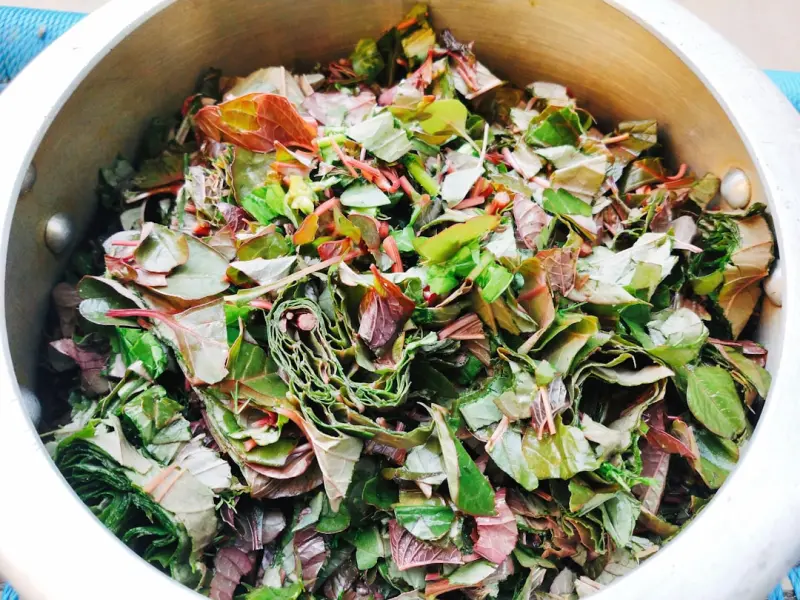
Why Fermentation is the Quiet Revolution in My Kitchen
Ever since I swapped my morning coffee for a glass of tangy kombucha, I’ve sensed a subtle shift in how I view leftovers, flavor, and patience; the humble act of letting microbes do the heavy lifting feels like a secret handshake with nature. Fermentation transforms simple vegetables, fruit skins, or dairy into layers of complexity that no fast‑track recipe can mimic, rewarding the cook with umami depth and a probiotic boost that keeps the gut humming. The best part is that the process is forgiving enough for a beginner yet mysterious enough to keep a seasoned foodie like me coming back for more experiments.
The Health‑Forward Benefits That Go Beyond Taste
When I first learned that lactic‑acid bacteria can improve digestion, boost immunity, and even modulate mood, I realized my pantry was a hidden pharmacy waiting to be activated with a pinch of salt and a splash of time. Each bubbling jar becomes a living supplement, delivering live cultures that out‑compete harmful microbes in the gut while infusing dishes with a bright acidity that cuts through richness. By embracing fermentation, I’m not just adding flavor; I’m cultivating a daily dose of wellness that fits seamlessly into a busy lifestyle.
Getting Started: The Three‑Step Starter Kit for Home Ferments
All you need to launch your fermenting adventure is a clean glass jar, a trusted starter culture—whether it’s whey, kombucha SCOBY, or store‑bought kimchi—and a handful of fresh produce or fruit that you’re eager to rescue from the trash bin. First, I chop the vegetables or fruit, toss them with a precise amount of salt to draw out moisture, then pack them tightly into the jar, ensuring everything stays submerged beneath its own brine; the anaerobic environment is the playground where beneficial bacteria thrive. Finally, I seal the lid loosely, set the jar on my countertop away from direct sunlight, and let nature take its time, checking daily for bubbles, aroma, and the occasional funky note that signals a successful transformation.
Fermented Cocktails: Crafting Complex Sours with Micro‑Mushroom Magic
Once my pantry was buzzing with jars of kimchi and beet kvass, I started wondering how those tangy liquids could shake up my bar cart, and the answer landed in a glass of fermented gin fizz that sings with earthy depth and a subtle fizz from natural carbonation. By swapping commercial bitters for a splash of homemade ginger‑lemongrass kombucha, I introduce layers of spice, acidity, and probiotic sparkle that make each sip feel like a mini‑adventure for the palate. The result is a cocktail that not only dazzles guests with its vibrant aroma but also offers a gut‑friendly twist that turns a night out into a health‑conscious celebration.
Zero‑Waste Gourmet: Turning Peels, Stems, and Scraps into Liqueur Gold
Every orange rind, apple core, and herb stem that would otherwise drift into the compost can become the backbone of a bespoke house‑made liqueur, and I’ve found that the process is as satisfying as it is sustainable. I begin by simmering the scraps with sugar, water, and a dash of vanilla, letting the mixture steep until the flavors meld into a syrupy elixir that captures the essence of the original fruit while discarding the waste. After straining and aging the liquid in a sealed bottle for a few weeks, I end up with a versatile spirit that can be sipped neat, swirled into cocktails, or drizzled over desserts, proving that creativity thrives when waste is turned into wonder.
From Backyard Forage to Table‑Ready Ferments: The Power of microadventures in Your Neighborhood
Instead of driving hours to a farmer’s market, I’ve started exploring the wild greens, wild berries, and dandelion flowers that grow in the cracks of my city’s sidewalks, turning each stroll into a scavenger hunt for flavor‑rich ingredients that are often overlooked. These urban foraging finds—like nettles, sorrel, or even the occasional wild plum—bring a fresh, terroir‑specific note to my ferments, allowing me to craft kimchi that tastes distinctly local and a beet kvass that carries a whisper of the park’s soil. By integrating these microadventures into my weekly routine, I not only reduce my grocery bill but also deepen my connection to the environment that feeds me.
Monetizing Your Passion: From Kitchen Experiments to a turning a side hustle into a boutique fermentery
When friends started asking for jars of my spicy kimchi and my fermented hot sauce, I realized there was a market waiting for authentic, small‑batch flavors that big brands often overlook, and the leap from hobbyist to entrepreneur felt both exciting and daunting. By setting up a simple e‑commerce site, offering tastings at local pop‑up markets, and leveraging social media to share behind‑the‑scenes videos of the bubbling process, I turned my kitchen experiments into a profitable side hustle that now funds my travel and new equipment. The key to scaling without compromising quality lies in maintaining strict hygiene standards, documenting each batch meticulously, and listening to customer feedback to fine‑tune the flavor profile, ensuring that every jar tells a story of craftsmanship and community.
Building Community Around Fermented Foods: Potlucks, Workshops, and Shared Learning
There’s something profoundly communal about gathering around a table laden with jars of fermented vegetables, sourdough starters, and tangy sauces, and I’ve made it a tradition to host monthly potlucks where neighbors swap recipes, techniques, and stories of their own culinary misadventures. These gatherings become incubators for innovation, as a friend might introduce a new spice blend that transforms my kimchi, while another demonstrates a quick pickling method that saves time and preserves crunch. By fostering an environment where knowledge flows as freely as the fermented drinks, we create a resilient food network that celebrates diversity, reduces waste, and strengthens the bonds that keep our neighborhoods thriving.

Dale Peterson is a freelance writer with a passion for technology, travel, law and personal finance. With 10 years of experience crafting compelling and informative content, he's dedicated to delivering high-quality writing for Blogging Fusion that engages audiences and achieves specific goals.
Related Posts
Savoring Sustainability: How Food Trends are Redefining Our Plates
Explore the rise of plant‑based flavors, zero‑waste cooking, and eco‑friendly beverages. Learn... Read More

Zero‑Waste Cocktails: Turning Scraps Into Sip‑Worthy Masterpieces
Learn to transform citrus peels, herb stems, and other leftovers into vibrant, eco‑friendly cockta... Read More
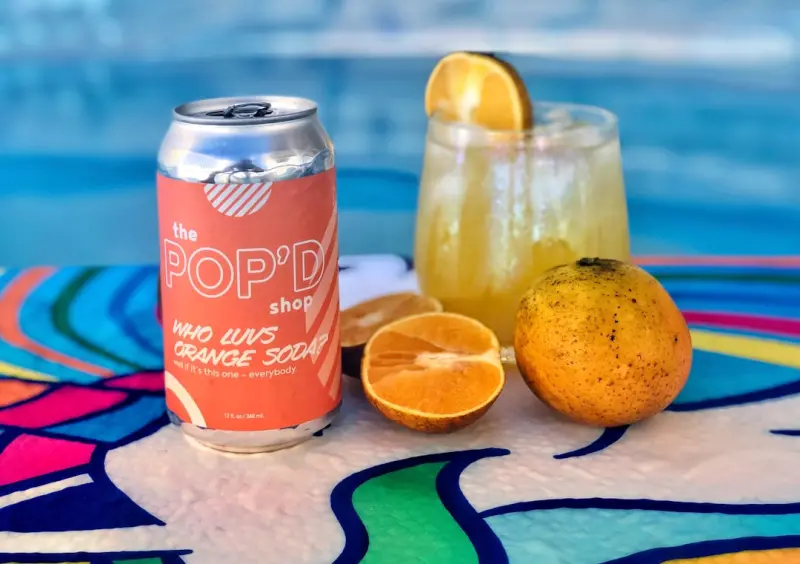
Sip, Savor, Sustain: The Zero‑Waste Cocktail Movement Redefining Nightlife
Discover the rise of zero‑waste cocktails, learn practical techniques for sustainable mixology, an... Read More
Top Posts

From Static Checklists to Living Process Orchestrators
A deep dive into why traditional static checklists are holding teams back and how adaptive, living process orchestration tools can transform productivity, colla...Read More

The Rise of Intent‑Driven Network Orchestration: Turning Business Goals Into Real‑Time Connectivity
Intent‑driven network orchestration shifts networking from manual configurations to business‑centric automation, enabling faster provisioning, Zero‑Trust ...Read More

10 Unexpected Home Hacks to Boost Comfort and Calm
From a repurposed shoe rack to scent‑smart lighting, I share practical tricks that instantly elevate your home’s comfort without breaking the bank....Read More

When Play Becomes the Classroom: Turning Everyday Moments into Lifelong Lessons
Explore how everyday activities—like cooking, grocery trips, and bedtime stories—can become powerful teaching moments that nurture curiosity, resilience, an...Read More
0 Comments
Post Comment
You will need to Login or Register to comment on this post!