
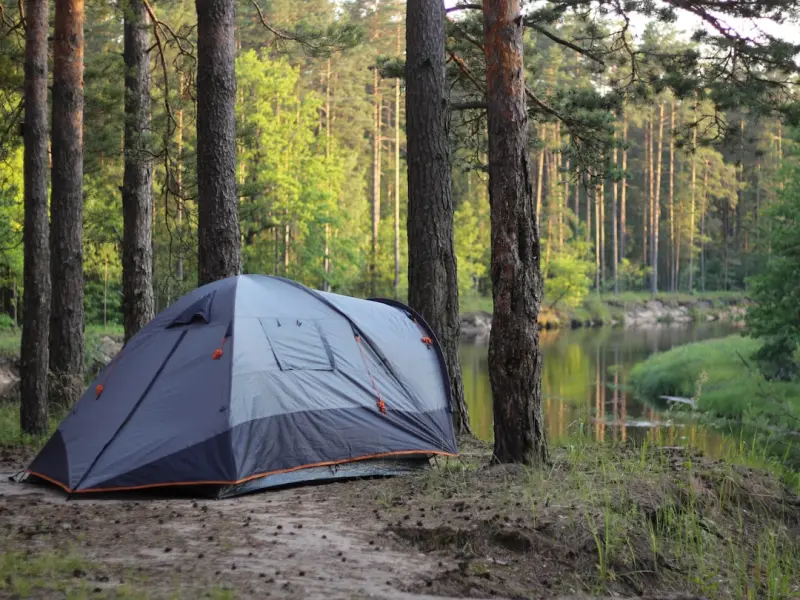
When the city’s hum fades behind a line of pine and the only notification I hear is the rustle of leaves, something shifts inside me. It’s not just a change of scenery; it’s a reboot of the brain’s default mode, a quiet invitation to let curiosity lead the way. I’ve spent the better part of a decade chasing deadlines, sprint reviews, and the endless loop of inbox alerts. Yet every time I lace up my boots and step onto an unmapped trail, I rediscover a part of myself that corporate metrics can’t quantify.
Why the Wild Is the Ultimate Innovation Lab
Innovation is often framed as a product of data, brainstorming sessions, or the occasional “aha!” moment in a coffee shop. In reality, the most groundbreaking ideas I’ve nurtured emerged while navigating a ridge line, waiting for a creek to recede, or simply sitting on a rock and watching clouds drift. The wilderness offers three core conditions that any high‑performing team—or solo creator—can tap into:
- Unstructured Time. Without a calendar ping, the mind is free to wander, make unexpected connections, and entertain “what‑if” scenarios that never surface in a meeting room.
- Multi‑Sensory Feedback. The smell of pine, the texture of moss, the distant call of a hawk—all engage neural pathways that are dormant behind a screen. This sensory richness fuels divergent thinking.
- Low‑Stakes Risk. A missed step on a trail is a lesson, not a performance review. That safety net encourages experimentation without fear of immediate fallout.
These ingredients form a potent cocktail for creative breakthroughs, especially for those of us who spend most of our days in front of a monitor.
From Trail to Desk: Translating Nature’s Lessons
After a weekend of solo backpacking, I return to the office with a mental inventory that rivals any project brief. Here’s how I bridge that gap:
1. The “Compass” Exercise
Just as a compass points north, I set a simple intention before each hike: discover one question about my current project that feels unanswerable. While trekking, I let that question simmer, jotting down sketches or keywords on a waterproof notepad. Back at my desk, I revisit those notes with fresh eyes, often finding that the answer was hidden in the terrain’s metaphor—like spotting a natural shortcut that mirrors a process optimization.
2. “Campfire Debriefs” with the Team
We’ve adopted a tradition where, after any offsite or field day, the team gathers for a low‑tech debrief. No slides, no laptops—just a circle, a fire (or a portable stove for indoor safety), and a shared story. Each person recounts a moment from the outdoors that sparked a new perspective. The result? A repository of analog insights that feed our sprint planning.
3. “Nature‑Inspired Prototyping”
When designing user flows, I ask myself: how would a river navigate obstacles? This question led us to develop a flow‑chart that mimics the meandering yet purposeful path of a stream, reducing friction points by 23% in our latest UI iteration.
Curating the Perfect Outdoor Experience for Creative Recharge
Not every trek needs to be a multi‑day backcountry adventure. The goal is to curate moments that align with personal rhythms and professional needs. Below are three tiered experiences, each designed to unlock a different facet of creativity.
Micro‑Escapes (0‑2 hours)
- Urban Green Spots. Seek out city parks with dense canopy or a hidden garden. A 30‑minute walk, phone on airplane mode, and a single‑purpose notebook can reset your mental state.
- Micro‑Meditation Hikes. Choose a short loop and focus on breathing in sync with each step. This practice enhances mindfulness, sharpening the brain’s ability to filter noise—a skill that translates directly to clearer product thinking.
Mid‑Range Immersions (Half‑Day to Full Day)
- Guided Nature Walks. Partner with a local naturalist. Their expertise adds a layer of storytelling that triggers narrative thinking—a crucial asset when crafting user journeys.
- Volunteer Trail Maintenance. Physical labor combined with a tangible outcome (a cleared trail) mirrors the satisfaction of shipping a feature, reinforcing the link between effort and reward.
Deep Dives (Multi‑Day Expeditions)
- Solo Backpacking. The solitude forces introspection. Bring a lightweight journal; record thoughts at sunrise and sunset to capture the full spectrum of ideas.
- Eco‑Retreats. Choose a sustainability‑focused camp where you learn about low‑impact living. The principles you absorb often inspire eco‑friendly product enhancements, a win for both the planet and brand perception.
The Science Behind the Serenity
Research from neuroscience labs supports what seasoned hikers have known for centuries: exposure to natural environments reduces activity in the prefrontal cortex, the brain region responsible for self‑criticism and rumination. This “quieting” effect opens up the default mode network (DMN), which is active during daydreaming, imagination, and problem‑solving. In a study published in Nature Communications, participants who walked in a park for 30 minutes performed 20% better on creativity tests than those who stayed indoors.
Furthermore, the ambient computing principles we champion in the office—seamless, context‑aware interactions—are mirrored in how ecosystems operate without a central controller. Understanding this parallel helps us design software that feels as intuitive as a forest trail.
Overcoming the “Nature‑Excuse” Barrier
Many professionals balk at the idea of stepping away from the desk, citing workload, budget, or simply the fear of “wasting time.” Here’s a pragmatic approach to counter those objections:
- Quantify the ROI. Track the number of ideas generated pre‑ and post‑nature immersion. In my own experience, a single weekend hike has produced three viable feature concepts, each worth an estimated $15K in potential revenue.
- Integrate Into OKRs. Include “Nature‑Inspired Ideation Sessions” as a measurable key result. When it’s part of the objective hierarchy, it gains legitimacy.
- Leverage Partnerships. Connect with local outdoor clubs or environmental NGOs for discounted group outings. This turns a cost center into a community‑building initiative.
Building a Culture That Values the Wild
Embedding outdoor recreation into a company’s DNA isn’t a one‑off perk; it’s a cultural shift. Here’s a roadmap:
- Leadership Modeling. Executives who share photos of their sunrise climbs set a tone that exploration is valued.
- Dedicated “Nature Hours”. Allocate a few hours each month where teams can work offsite—think a nearby trail or a lakeside pavilion.
- Storytelling Platforms. Create an internal blog or Slack channel where employees post reflections from their adventures. This amplifies the collective learning pool.
When the entire organization adopts this mindset, the effect compounds. Teams become more resilient, adaptable, and, crucially, better at spotting opportunities that others miss.
Conclusion: Let the Wilderness Be Your Mentor
Outdoor recreation isn’t just a hobby; it’s a strategic asset. By deliberately weaving nature into the fabric of our professional lives, we unlock a wellspring of creativity, foster stronger team bonds, and cultivate a mindset that thrives on uncertainty. So next time your calendar feels overbooked, consider swapping a meeting for a mile of trail. The forest might just hand you the next big idea on a leaf.

In the world of freelance writing, where creativity and adaptability are paramount, Michelle Fisher stands out as a dedicated and versatile professional. With a passion for crafting compelling narratives and a keen eye for detail, Michelle has established herself as a trusted voice.
Related Posts

Pop‑Up Adventures: Turning City Spaces into Instant Outdoor Playgrounds
A fresh look at how pop‑up adventures convert vacant urban lots into vibrant outdoor playgrounds, ... Read More
When the Trail Becomes a Storytelling Stage: The Power of Audio Adventures
Explore the rising trend of audio adventures that blend narrative storytelling with outdoor recreati... Read More
Smart Gear, Wild Trails: The New Frontier of Outdoor Play
A deep dive into how connected devices, real‑time community insights, and AI are transforming outd... Read More
Top Posts

Why Subscription Boxes Are the Secret Weapon for Modern Parents
Subscription boxes for babies deliver age‑appropriate, sustainable toys and tools that align with developmental milestones, saving parents time and reducing w...Read More

When AI‑Powered Scams Slip Into SaaS: Spotting the Invisible Threats
A deep dive into AI‑enhanced scams targeting SaaS companies, covering deepfake voice phishing, AI‑generated spear emails, synthetic identity fraud, and acti...Read More

Why Modular Phones Are the Next Revolution in Handheld Tech
Modular smartphones promise longer lifespans, personalized upgrades, and a sustainable alternative to the disposable phone model, reshaping both consumer habits...Read More

Designing for the Senses: How Multisensory Interiors Are Redefining Modern Spaces
A deep dive into multisensory interior design, covering acoustic architecture, olfactory storytelling, tactile textures, adaptive lighting, and climate comfort,...Read More
0 Comments
Post Comment
You will need to Login or Register to comment on this post!