

Retirement has given me the freedom to rethink daily habits that once felt inevitable. No longer bound by a 9‑to‑5 grind, I can savor mornings with a cup of tea while watching the sunrise, and ask myself how each ritual impacts the planet. The answer often reveals surprising intersections between health, finances, and environmental stewardship, proving that age is just a number when it comes to embracing change. By shifting perspective, seniors can become champions of a greener lifestyle, turning wisdom into action that benefits both grandchildren and the Earth.
Why Sustainability Matters in the Golden Years
Living sustainably isn’t a trend reserved for the young; it’s a practical strategy that aligns perfectly with senior priorities like health, security, and community. Research shows that reduced exposure to pollutants and chemicals can improve respiratory function and lower blood pressure, while energy‑saving practices cut utility bills—a double win for those on a fixed income. Moreover, participating in local green initiatives creates social connections, combating isolation that many retirees face. The sense of purpose derived from nurturing a garden or volunteering for a recycling program can rekindle the joy of learning, a feeling I cherish as I explore new eco‑friendly hobbies.
Financially, the senior demographic stands to gain significantly from simple, cost‑effective adjustments. Swapping incandescent bulbs for LEDs, sealing drafts around doors, or installing low‑flow fixtures can shave hundreds of dollars off annual expenses. These savings translate into more travel, hobbies, or the occasional indulgence without compromising a sustainable ethic. As I tally the reduced energy costs on my monthly statements, I’m reminded that every dollar saved is another opportunity to invest in experiences that enrich my golden years.
Beyond the wallet, sustainability nurtures a legacy for future generations. Our grandchildren inherit the environmental decisions we make today, and by modeling responsible consumption, we empower them to become more conscientious citizens. When I share stories about planting native shrubs or repairing a leaky faucet, I’m not just teaching a skill; I’m weaving a narrative that places stewardship at the heart of family values. This intergenerational dialogue reinforces the idea that age does not diminish influence—it amplifies it.
Simple Eco‑Friendly Home Upgrades
One of the most rewarding projects I’ve undertaken is modernizing my home with Smart Appliances. These devices not only optimize energy use but also provide real‑time feedback, allowing me to adjust consumption patterns with just a few taps on my tablet. The intuitive interfaces make technology feel approachable, turning what could be a daunting upgrade into a user‑friendly experience that even my less‑tech‑savvy friends appreciate.
Another low‑cost adjustment that yields big returns is adopting a zero‑waste kitchen. I started by swapping single‑use plastic wrap for reusable silicone lids and investing in glass storage containers that keep food fresh longer. Composting kitchen scraps in a small indoor bin has reduced landfill waste while providing nutrient‑rich material for my balcony herb garden. These habits, though simple, have cut my grocery bills and fostered a deeper connection to the food I consume.
- Install LED lighting throughout the house.
- Use programmable thermostats to regulate heating and cooling.
- Seal windows and doors with weather‑stripping.
- Adopt a rain‑water collection system for garden irrigation.
Water conservation is another cornerstone of senior-friendly sustainability. A low‑flow showerhead can reduce water usage by up to 30 %, which not only benefits the environment but also eases the burden on aging joints by shortening showers without sacrificing comfort. Pairing this with a timed shower routine helps maintain skin health—a small tweak that yields both ecological and personal rewards.
Living Green on a Fixed Income
Budget constraints often spark creativity, and I’ve discovered that many green practices are inherently frugal. Thrift stores and online marketplaces offer gently used furniture, décor, and even appliances that have a fraction of the environmental impact of new purchases. Repurposing items—like turning an old ladder into a bookshelf—extends their lifespan and adds character to my living space, proving that sustainability can be stylish as well as economical.
Transportation choices also play a pivotal role in senior sustainability. I’ve swapped occasional car trips for community shuttle services that run on electric buses, reducing both carbon emissions and parking hassles. When a trip is unavoidable, car‑pooling with neighbors not only cuts fuel costs but also creates opportunities for social interaction, turning a routine errand into a pleasant outing.
Nutrition is another arena where eco‑friendly decisions intersect with health. Embracing a plant‑based diet, even partially, lowers the carbon footprint of my meals while offering heart‑healthy benefits. I source seasonal produce from local farmers’ markets, which supports the regional economy and ensures fresher, more nutrient‑dense foods. The simple act of planning meals around what’s in season also reduces food waste, aligning my diet with the principles of mindful consumption.
For those looking for inspiration, I recommend exploring the guide Embracing Green Living in Your Golden Years. It offers actionable tips tailored to senior lifestyles, from eco‑friendly travel ideas to low‑impact hobbies that keep the mind sharp. By integrating these strategies, seniors can craft a vibrant, purposeful, and environmentally responsible chapter of life.
Community engagement amplifies the impact of individual actions. Joining local environmental groups or attending workshops on sustainable living provides both education and a sense of belonging. I’ve found that sharing experiences, whether it’s a successful DIY cleaning solution or a new recycling rule, cultivates a supportive network that motivates continued progress. The collective energy of a group often turns solitary efforts into a movement that reshapes neighborhoods.
Finally, technology can be a powerful ally in the senior sustainability journey. Apps that monitor energy usage, track water consumption, or suggest eco‑friendly recipes make it easier to stay informed and motivated. The rise of user‑friendly platforms ensures that even those who aren’t digital natives can benefit from data‑driven insights, turning abstract concepts into tangible actions that improve daily life.
In conclusion, the golden years present a unique canvas for painting a sustainable future. By embracing simple home upgrades, mindful consumption, and community involvement, seniors can enjoy healthier lives, financial savings, and the satisfaction of leaving a greener planet for the next generation. The journey is as rewarding as the destination, and every small step adds up to a profound, lasting impact.

Paul Flynn is a versatile freelance writer equipped with a diverse skillset and a portfolio that reflects his wide-ranging interests and expertise. From crafting compelling website copy and engaging blog posts to delivering in-depth articles and meticulously researched reports, Flynn demonstrates a remarkable ability to adapt his writing style to suit various audiences and purposes.
Related Posts
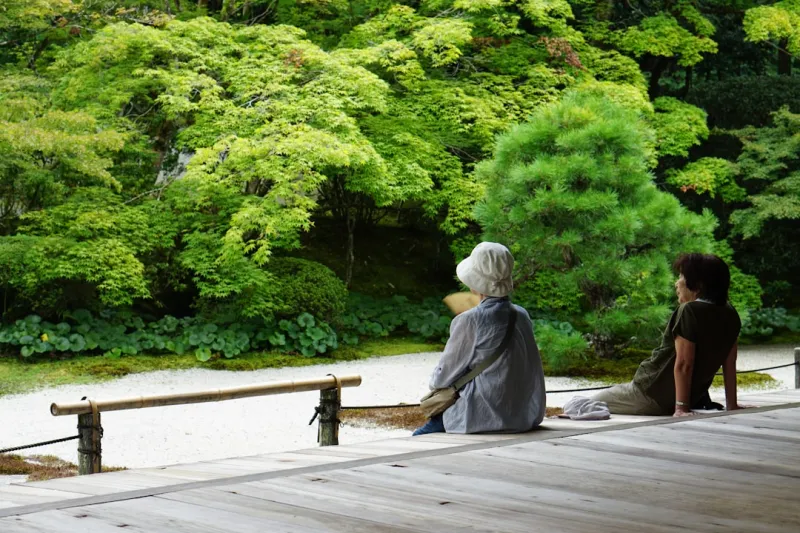
Embracing Green Living in Your Golden Years: A Senior’s Guide to Sustainable Joy
Explore practical, joyful ways seniors can adopt sustainable habits, leverage technology, and inspir... Read More

Sustainable Living for Seniors: A Practical Guide to a Greener Tomorrow
As seniors, we can make a positive impact on the environment by adopting sustainable living practice... Read More

Sustainable Living for Seniors: A Guide to a Greener and Healthier Lifestyle
As we age, it's essential to prioritize our health and well-being. Sustainable living can help senio... Read More
Top Posts

The Alarming Rise of Scams in the Sustainable Living Space
The sustainable living space has seen a surge in scams, targeting unsuspecting individuals who want to live a more eco-friendly lifestyle. Learn how to avoid sc...Read More
Eco-Friendly Living: A Comprehensive Guide to Sustainable Practices
Eco-friendly living is crucial for the well-being of our planet and its inhabitants. Learn how to adopt sustainable practices, from sustainable home decor to ec...Read More

Industrial Products Powering Sustainability in 2026
Industrial products are now engineered for circularity, energy‑smart controls, and modularity, turning factories into green powerhouses and setting the stage ...Read More

Branding in the Green Era: How Authentic Storytelling Fuels Sustainable Growth
Dale Peterson shares a fresh perspective on modern branding, showing how authentic storytelling, data‑driven narratives, and AI can build eco‑focused brands...Read More
0 Comments
Post Comment
You will need to Login or Register to comment on this post!