

Understanding the Threat Landscape
When most people think about online safety, they picture firewalls, two‑factor authentication, or the dreaded phishing email that lands in the inbox on a Monday morning. Those are certainly important, but there’s an emerging class of risk that rarely gets the spotlight: the erosion of your digital reputation. In a world where every comment, share, and profile picture can be harvested, repurposed, or weaponized, protecting the narrative you project online has become as critical as protecting your passwords.
Why does reputation matter for a professional audience? Because it’s now a quantifiable asset. Recruiters search LinkedIn for “thought leaders” and “subject‑matter experts”. Investors scrape social signals before committing capital. Even a single deep‑fake video can erode trust that took years to build. The stakes are no longer limited to personal embarrassment; they affect revenue pipelines, partnership opportunities, and even regulatory compliance.
Why Reputation Is the New Asset
Think of your online persona as a digital ledger. Every interaction you have—whether it’s a blog comment, a Slack message, or a photo you post on a private channel—writes a line in that ledger. Over time, patterns emerge, and algorithms start to assign value to those patterns. A clean, consistent record can boost your search engine visibility, improve your social proof, and make you a more attractive partner for SaaS collaborations.
Conversely, a single misstep can cascade. An ill‑judged joke, a controversial retweet, or a leaked internal document can snowball into a crisis that forces you to issue public statements, allocate legal resources, and, in worst‑case scenarios, watch your brand equity evaporate.
What makes this risk unique is its persistence. Unlike a password breach that can be reset, the digital footprint you create can be replicated, archived, and resurfaced years later. That’s why the safety‑first mindset for product teams must expand beyond code to include reputation hygiene as a core KPI.
Actionable Defense Strategies
Below are practical steps you can take today to protect the most valuable intangible asset you own—your online reputation.
- Audit Your Digital Footprint Quarterly. Use tools that scan social platforms, forums, and even the deep web for mentions of your name, your company, and your products. Record any negative sentiment, outdated bios, or misattributed content.
- Standardize Your Brand Voice. Draft a style guide that outlines tone, language, and visual elements. Share it with every employee who represents your brand on social media. Consistency reduces the chance of off‑brand messaging that can confuse audiences.
- Implement a “Content Freeze” Protocol. Before posting anything that could be controversial (political commentary, market predictions, etc.), run it through a small review panel. The goal isn’t censorship; it’s risk mitigation.
- Secure Your Media Assets. Store original photos, videos, and graphics in encrypted repositories. Apply digital watermarks to prevent unauthorized reuse that could be misrepresented.
- Leverage AI‑Powered Monitoring. Modern AI can flag deep‑fake content, synthetic voices, or AI‑generated text that mentions you. Integrate these alerts into your security operations center so they’re treated with the same urgency as a malware incident.
- Educate Your Team Like Kids Learning Safety Skills. The principles behind teaching safety to children—simple, memorable rules and hands‑on practice—translate well to adult digital hygiene. Run short, scenario‑based drills that simulate phishing, impersonation, and reputation attacks.
Tools & Resources You Should Be Using
While the strategies above are concept‑driven, you need concrete tools to execute them efficiently.
- BrandWatch or Mention. These platforms provide real‑time alerts for any instance of your name or brand across the web.
- DeepTrace and Sensity. Both specialize in detecting deep‑fake video and audio. They can be integrated via APIs into your existing monitoring stack.
- Zero‑Trust Identity Management. Enforce strict access controls for any system that holds brand assets. Combine this with password‑less authentication to reduce credential theft vectors.
- Legal Hold Automation. In case of a reputation crisis, you’ll need to preserve communications quickly. Tools that automate legal holds ensure you don’t lose evidence.
- Content Governance Platforms. Solutions like GatherContent help enforce your brand style guide across all published material, reducing the risk of off‑brand content slipping through.
Future‑Proofing Your Online Presence
The digital landscape is evolving at a breakneck pace. New AI models can generate hyper‑realistic content in seconds, and the line between human‑created and synthetic media is blurring. To stay ahead, adopt a forward‑thinking mindset:
- Adopt “Reputation as Code”. Treat reputation policies the same way you treat source code—store them in version‑controlled repositories, run automated tests (e.g., sentiment analysis), and roll out changes through CI/CD pipelines.
- Invest in Ethical AI. When you use generative AI for marketing or customer support, embed safeguards that watermark output and log provenance. This protects you from future claims that AI‑generated content misrepresented your brand.
- Collaborate Across Departments. Reputation is not just a marketing problem. Involve product, legal, HR, and engineering in the conversation. A cross‑functional “Reputation Council” can meet monthly to review risks and align on mitigation strategies.
- Build a “Digital Safety Net”. Similar to a financial safety net, allocate budget specifically for reputation recovery—PR firms, legal counsel, and crisis communication platforms. Having resources pre‑approved speeds up response times.
By treating your digital reputation as a living, breathing component of your business strategy, you shift from a reactive “damage control” mode to a proactive “brand fortification” stance. The payoff is not just reduced risk; it’s enhanced trust, higher conversion rates, and a stronger competitive moat in the SaaS marketplace.
Conclusion: Make Reputation Hygiene a Daily Habit
Online safety has traditionally been about protecting the perimeter. In today’s hyper‑connected world, the perimeter has dissolved, and the true battleground is the perception you project. By auditing your footprint, standardizing your voice, leveraging AI detection, and embedding reputation checks into every workflow, you create a resilient digital identity that can weather the storms of misinformation, deep‑fakes, and accidental oversharing.
Start today. Schedule that quarterly audit, draft a brand style guide, and run a short “digital safety” drill with your team. The habits you build now will safeguard the professional narrative you’ve spent years crafting—and give you the confidence to push your SaaS innovations forward without looking over your shoulder.

Seth Samual is a name that's quickly becoming synonymous with compelling and insightful writing. As a freelance writer, Seth has carved a niche for himself by delivering high-quality content across a diverse range of subjects.
Related Posts

Beyond the Mirror: Guarding Yourself Against AI‑Driven Deepfakes and Synthetic Media
Discover practical steps to detect AI‑crafted deepfakes, safeguard your online identity, and prote... Read More

When Phishing Becomes Fatigue: Re‑imagining Online Safety for the Human Brain
Phishing fatigue dulls vigilance, making employees vulnerable to attacks. This article uncovers the ... Read More

The Dark Side of the Digital Age: How Online Safety and Sustainability Intersect
The digital age has brought many benefits, but it also poses significant risks to our online safety ... Read More
Top Posts
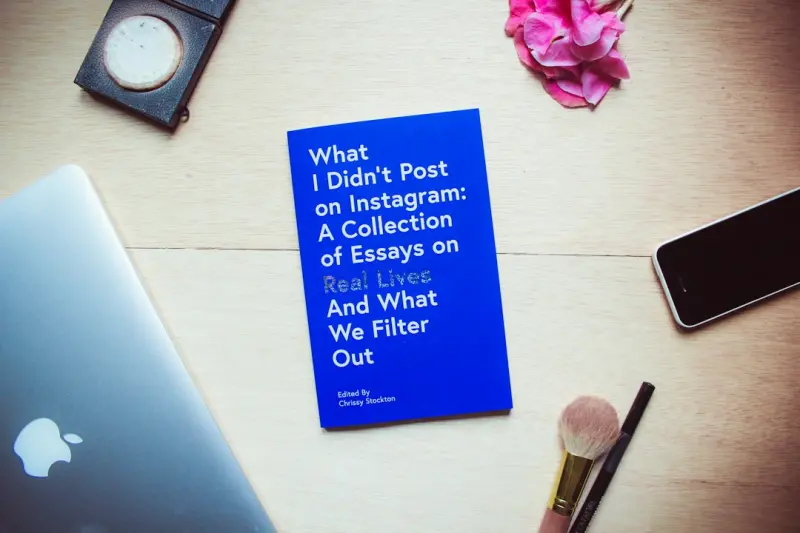
From Clicks to Conversations: Turning Passive Readers into Active Brand Advocates
A fresh take on content marketing shows how shifting from monologue to dialogue, building micro‑communities, and leveraging AI-powered narratives can turn eve...Read More

AI as the Co‑Pilot for Smarter B2B Decision‑Making
A practical guide on integrating AI as a co‑pilot in B2B SaaS, covering insight generation, human‑in‑the‑loop validation, continuous learning loops, and...Read More

Smart Appliance Strategies for a Minimalist Kitchen
Learn to curate a minimalist kitchen by selecting multi‑purpose, energy‑efficient appliances, integrating smart hubs, and maintaining a cohesive design that...Read More
How SaaS Can Lead the Green Revolution with Circular Design
Discover how SaaS companies can adopt circular design to cut energy use, reduce waste, and create a regenerative ecosystem—complete with actionable steps, sus...Read More
0 Comments
Post Comment
You will need to Login or Register to comment on this post!