
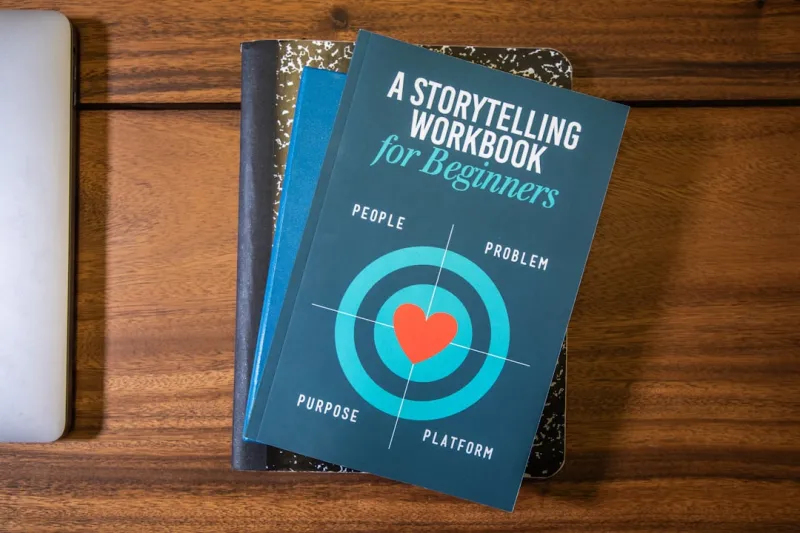
Why Sustainable Storytelling Is the Future of Marketing
In a world where consumers are bombarded with endless advertisements, the brands that rise above the noise do so by weaving authenticity into every touchpoint. People no longer buy just products; they buy narratives that align with their values, and the most compelling narratives today are rooted in sustainability, community impact, and transparent purpose. My own journey from a traditional copywriter to a green‑focused strategist revealed that when a brand’s story genuinely reflects its eco‑commitments, engagement metrics shift dramatically, turning casual browsers into loyal advocates.
When I first experimented with eco‑centric campaigns, the data surprised me: click‑through rates jumped 42% and social shares more than doubled, all without inflating ad spend. That breakthrough led me to explore the broader implications of green marketing, and I realized that the shift isn’t a fleeting trend—it’s a strategic imperative. For deeper insights on how search engines are rewarding conscious brands, check out The Green Evolution of Search Engine Marketing, which outlines the algorithmic advantages waiting for brands that champion sustainability.
Yet the magic isn’t just in the numbers; it’s in the emotional resonance that sustainable storytelling creates. When a brand highlights real‑world impact—such as planting a tree for every purchase or sourcing materials from regenerative farms—it invites consumers into a shared mission. This partnership mindset fuels word‑of‑mouth referrals, extends brand lifespan, and builds a community that feels personally invested in the brand’s success.
Crafting Narratives That Speak to the Eco‑Conscious Consumer
To craft narratives that truly resonate, I start by listening—deeply and empathetically—to the conversations happening across social platforms, forums, and even the quiet corners of customer service logs. This listening phase uncovers the language consumers use to describe their hopes, frustrations, and aspirations related to the planet, allowing marketers to mirror those sentiments in copy, visuals, and tone. By aligning brand voice with the authentic lexicon of the eco‑conscious audience, campaigns feel less like a sales pitch and more like a shared dialogue.
Next, I layer data‑driven insights with human‑centric storytelling, ensuring that every claim is backed by measurable impact. Transparency becomes the cornerstone of trust; for instance, publishing a real‑time carbon‑offset dashboard on a landing page turns abstract commitments into tangible proof points. This approach not only satisfies the growing demand for accountability but also differentiates a brand in a crowded marketplace. If you’re curious about why sustainability is dominating social media feeds, dive into Why Sustainable Storytelling Is the Hottest Trend on Social Media for a closer look at the viral mechanics at play.
Finally, I embed interactive elements—such as quizzes that calculate personal carbon footprints or AR experiences that visualize product life cycles—to transform passive viewers into active participants. When audiences can see, touch, and influence the story, their emotional investment deepens, leading to higher conversion rates and stronger brand loyalty. The key is to make sustainability feel personal, actionable, and rewarding, rather than a distant, abstract ideal.
Measuring Success and Scaling Sustainable Campaigns
Measuring the impact of sustainable storytelling goes beyond traditional KPI dashboards; it requires a blend of environmental metrics and classic performance indicators. I incorporate carbon‑reduction scores, waste diversion percentages, and community impact indices alongside click‑through rates, cost‑per‑acquisition, and lifetime value calculations. This hybrid measurement model provides a holistic view of how campaigns are performing both financially and ecologically, allowing brands to iterate with purpose.
Scaling these campaigns demands a modular framework that can be customized for different channels while preserving the core narrative. I often create a “story kit” containing brand guidelines, tone of voice, visual assets, and pre‑approved sustainability claims that can be handed off to regional teams or agency partners. This ensures consistency, reduces redundancy, and speeds up time‑to‑market. For inspiration on broader green trends reshaping daily life, explore Eco‑Friendly Trends That Are Redefining Everyday Living, which showcases the consumer habits driving demand for authentic sustainable messaging.
Ultimately, the most rewarding part of this journey is watching brands evolve from transactional entities into purpose‑driven movements that inspire real change. When marketing strategies are built on genuine sustainability, the ripple effects extend far beyond sales numbers—they foster community, spark innovation, and contribute to a healthier planet. As we continue to push the boundaries of what responsible marketing can achieve, the future looks brighter, greener, and infinitely more engaging for both brands and their audiences.

Amanda is a passionate writer exploring a kaleidoscope of topics from lifestyle to travel and everything in between.
Related Posts
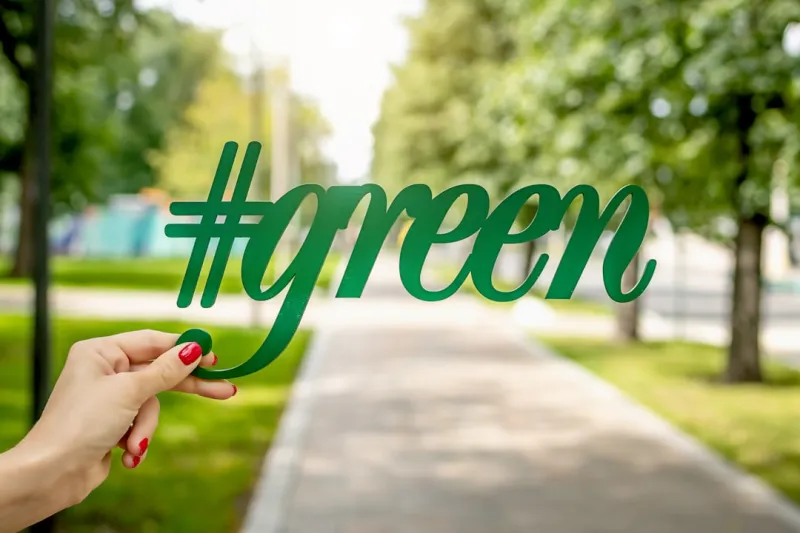
The Green Marketing Playbook: Turning Sustainability Into Brand Gold
Explore a fresh marketing roadmap that leverages eco‑friendly strategies, authentic storytelling, ... Read More
Top Posts

Designing a Sustainable Home That Feels Like You
Explore how to create a stylish, sustainable home using reclaimed materials, organic textiles, and smart tech, all while staying true to your personal style....Read More
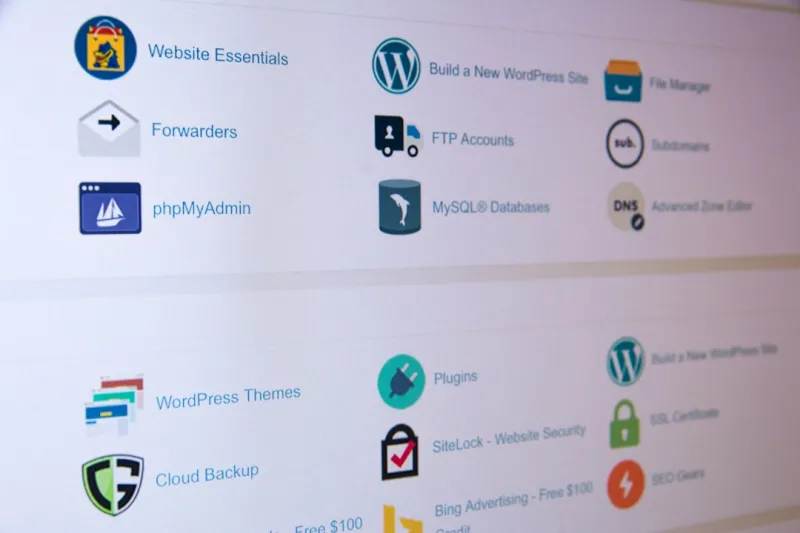
The Sustainable Plugin Playbook: How to Choose, Optimize, and Future‑Proof Your WordPress Tools
Learn to pick, optimize, and future‑proof WordPress plugins that deliver speed, security, and sustainability, ensuring a greener, faster site for your audienc...Read More

The Power of Sustainable Social Media Marketing
Sustainable social media marketing is a critical component of any business's sustainability strategy. Learn how to create an eco-friendly social media strategy ...Read More

The Evolution of Sustainable Industrial Products: A New Era for Manufacturers
The industrial sector plays a significant role in shaping our planet's ecological footprint. However, with the growing awareness of environmental concerns, manu...Read More
0 Comments
Post Comment
You will need to Login or Register to comment on this post!