

Why Your Kitchen Is Secretly Leaking Money
When I first noticed my electric bill creeping higher despite keeping the thermostat steady, I realized the culprit wasn’t a faulty furnace but the silent, constant hum of appliances that never truly turn off. These “vampire” devices sip power in standby mode, and because they’re tucked behind countertops or hidden in cabinets, their energy appetite goes unnoticed until the numbers on the utility statement start to look alarming.
Meet the Everyday Energy Vampires
From the coffee maker that keeps a hot plate ready for the next brew, to the microwave that glows with a ready‑light even when empty, these gadgets are designed for convenience but at a hidden cost; a modern TV’s “quick‑start” feature, a game console that stays online for updates, and a charger that continues drawing juice long after the phone is full all contribute to a steady drain. Each of these devices can consume anywhere from a few watts to dozens, adding up to several hundred kilowatt‑hours a year, which translates into dollars you could be saving or investing elsewhere.
How to Quantify the Invisible Drain
The first step in taming the phantom consumption is to measure it, and tools like the Kill‑A‑Watt meter or smartphone‑compatible energy monitors make this surprisingly straightforward. Plug the device into the meter, then the meter into the wall outlet, and watch the real‑time readout reveal the power draw in watts; many models even log daily usage so you can see trends over weeks. If you prefer a wireless approach, there are plug‑in smart modules that sync with an app, letting you track multiple devices from your phone and spot the biggest offenders without leaving the couch.
Smart Power Strips and Timers: Your New Best Friends
Once you’ve identified the biggest power‑hungry standby units, a smart power strip can become your kitchen’s guardian angel, automatically cutting power when the connected devices aren’t in use. Look for strips that feature individual switches and energy‑monitoring capabilities, so you can program them to shut off after a set period or when no motion is detected in the room. For appliances that you only use at certain times of day—like a bread machine that runs in the early morning—a simple programmable timer can ensure they’re only alive when needed, slashing needless consumption.
Kitchen‑Specific Hacks to Slash the Sneak‑Peaks
Start with the coffee maker: many models have a “keep‑warm” plate that stays hot for hours; unplugging it after the last brew or swapping to a thermal carafe eliminates that constant draw. Microwaves often have a bright clock display that stays on; many newer units let you turn the display off in the settings, or you can simply unplug the unit when not in use. Even a toaster, which seems innocuous, can draw power for its internal timer and LED lights—consider a countertop model that truly powers down after each cycle, or keep it on a switched outlet so you can flip the switch when the kitchen is empty.
Beyond the Kitchen: Laundry Room and Living Area Savings
The washing machine’s control board remains powered as long as it’s plugged in, ready to accept a start command; a simple plug‑in timer that shuts off the outlet after a typical wash cycle can prevent the extra hours of standby draw. Dryers share the same issue, plus they often have moisture sensors that stay active; unplugging the dryer or using a smart strip helps. In the living room, routers and streaming devices are notorious for staying on 24/7; consider a smart plug that powers them down during the night, or enable the router’s “sleep mode” if it’s supported, to shave off another few dollars each month.
Maintenance Moves That Keep Appliances Efficient
Even the most energy‑conscious household can waste power if appliances are neglected; a clogged dryer vent forces the dryer to work harder, using more electricity, while a refrigerator with dirty coils runs longer to maintain temperature. Regularly cleaning lint filters, vacuuming condenser coils, and ensuring doors seal tightly are simple habits that keep devices operating at peak efficiency. Additionally, calibrate your refrigerator’s thermostat to the recommended 37‑°F (3‑°C) setting—many people keep it colder than necessary, which spikes energy use without any real benefit.
Integrating Appliance Awareness into a Sustainable Lifestyle
When you combine unplugging habits with broader eco‑friendly practices, the impact multiplies: pair a low‑energy fridge with zero‑waste cleaning tips to reduce chemical use, and complement your smart strip strategy with the insights from smart, sustainable appliances that are built for long life and lower consumption. By viewing each gadget not just as a convenience but as a variable in your overall energy equation, you turn ordinary household chores into intentional, cost‑saving actions.
Take Action Today and Watch the Savings Add Up
Start by grabbing a basic power meter this weekend, test three of your most used devices, and note the readings; then install a smart strip on the outlet that feeds your entertainment center and set a timer for your coffee maker. Within a single month you’ll likely see a noticeable dip in your electric bill, and the confidence that you’re actively shaping your home’s energy footprint will motivate you to keep exploring other hidden drains. Remember, every watt you reclaim is a step toward a lighter wallet and a greener planet—so plug in, power down, and profit from the silence.

Jody Henderson is a passionate freelance writer, driven by a love for storytelling and a keen eye for detail. With a versatile skillset, she crafts compelling content across a variety of niches, from engaging blog posts to informative articles and persuasive marketing copy.
Related Posts
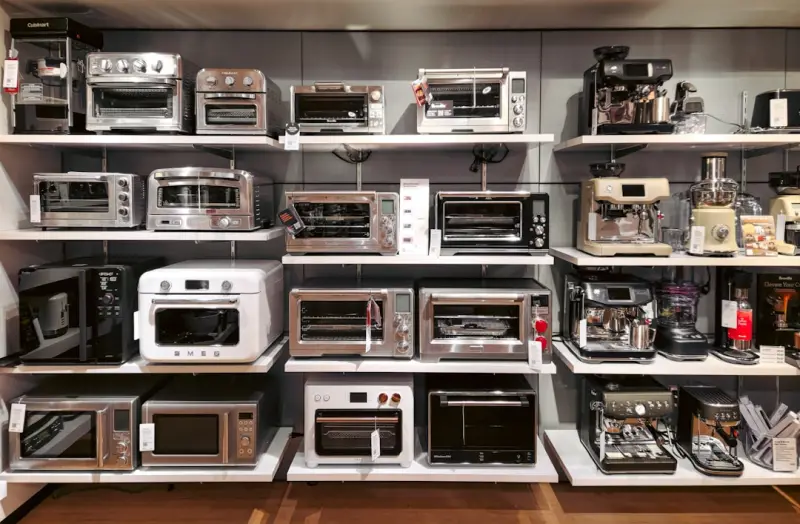
Why AI‑Powered Appliances Are the Next Kitchen Revolution
Discover how AI-enabled appliances are reshaping kitchens, offering time savings, energy efficiency,... Read More
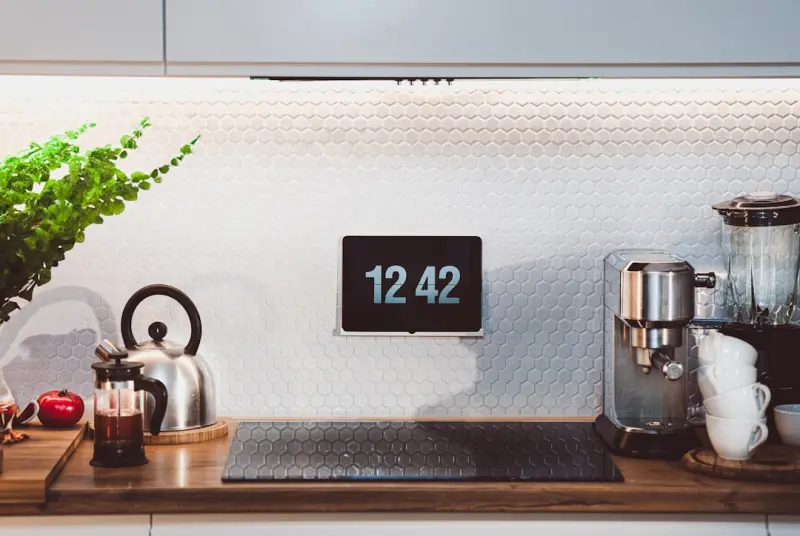
Reimagining Everyday Appliances: Smart, Sustainable, and Built to Last
Explore practical strategies to make your appliances smarter, more sustainable, and future‑proof, ... Read More
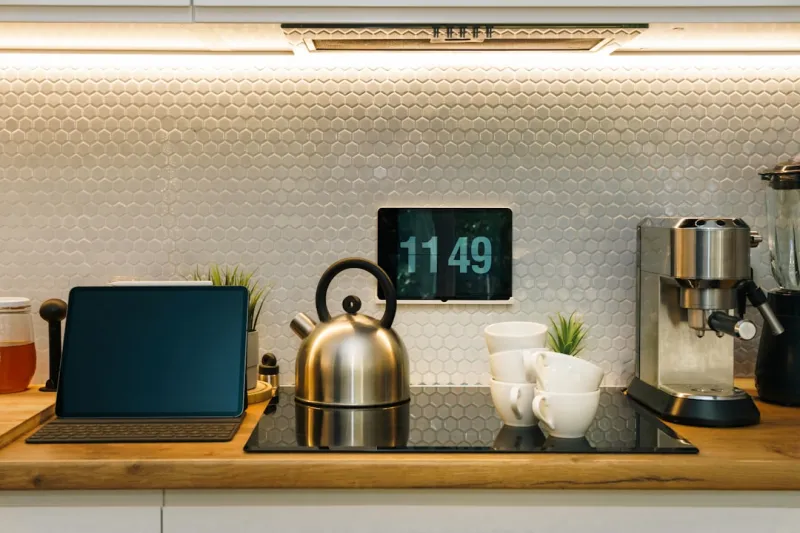
Revolutionizing Home Appliances: How Technology is Changing the Way We Live
Technology is revolutionizing home appliances, making them smarter, more efficient, and more sustain... Read More
Top Posts

Modular Laptops Are the Secret Weapon for Future‑Ready Professionals
Modular laptops let you swap components like SSDs and GPUs on the fly, offering performance scaling, cost savings, and reduced e‑waste—perfect for today’s...Read More

Eco-Friendly Living: A Journey to a Sustainable Future
Join me on a journey to a sustainable future with eco-friendly living tips and practical advice on reducing your carbon footprint and living a more environmenta...Read More

The Role of Education in Shaping a Sustainable Future
Education has the power to transform our world for the better. Learn how sustainable education can shape a more sustainable future and empower future generation...Read More

The Intersection of Gaming and Sustainability: A New Era for Environmental Stewardship
The gaming industry is shifting towards a more sustainable future, with eco-friendly gaming consoles, sustainable game development, and environmentally consciou...Read More
0 Comments
Post Comment
You will need to Login or Register to comment on this post!