
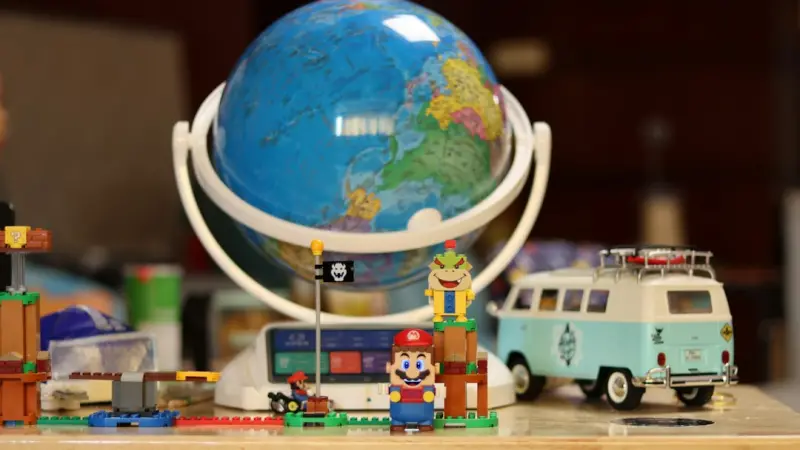
Ever caught your toddler staring at the hallway rug as if it were a secret map? That moment is pure gold—an instinctive spark that says, “There’s something to explore here.” As a dad who’s been juggling conference calls, diaper changes, and the occasional Lego‑induced floor‑level crisis, I’ve learned that the best way to nurture that curiosity is to turn the ordinary into a micro‑adventure. This isn’t about buying the latest tech‑laden playset; it’s about repurposing the things you already own, adding a dash of intentional design, and letting your little explorer write the story.
Why Micro‑Adventure Matters
Developmental research tells us that toddlers learn best when they actively engage with their environment. The brain’s prefrontal cortex—responsible for problem solving and impulse control—is still a sponge, soaking up sensory input and motor challenges at a breakneck pace. By framing everyday moments as mini‑quests, you give that sponge a richer, more varied feed.
- Boosts executive function: Simple obstacles like a couch‑cushion bridge or a “river” of rolled towels force your child to plan, test, and adjust.
- Fosters language development: When you narrate the adventure—“We’re crossing the canyon, watch your steps!”—you embed new vocabulary in context.
- Strengthens parent‑child bond: Shared discovery creates a safe space where both parties feel competent and connected.
Think of it as the lean startup of early childhood: rapid iterations, low‑cost experiments, and continuous feedback loops, only the “product” is your child’s growing curiosity.
Designing the First Adventure Zone
Start small. Choose a low‑traffic area—perhaps the living‑room corner where the coffee table meets the sofa. The goal is to create a defined space that invites exploration without overwhelming safety concerns.
- Define the boundaries: Use a soft rug or a row of floor pillows to signal the “play perimeter.”
- Introduce a theme: “Jungle Safari,” “Space Mission,” or “Tiny Town.” The theme guides the props you’ll gather.
- Set a time limit: Ten to fifteen minutes keeps the activity focused and prevents fatigue.
When I first tried this with my two‑year‑old, I turned a coffee table into a “mountain peak” by stacking plush pillows. We named the ascent “Operation Giggle‑Summit” and used a flashlight as a “searchlight.” The simple act of climbing, balancing, and shouting “We made it!” turned a mundane afternoon into a memorable milestone.
Tools and Props You Already Own
Before you rush to the toy aisle, inventory the household items that can double as adventure gear:
- Textured fabrics: A blanket with fringe becomes a “river” to wade through.
- Cardboard boxes: Cut a doorway, add a few crayon‑drawn windows, and you have a “cave.”
- Kitchen utensils: A wooden spoon can be a “magic wand” that “activates” hidden treasures.
- Soft balls: Use them as “planet moons” that need to be rolled into a designated “orbit.”
These objects are not just cost‑effective; they also teach children about repurposing and sustainability—an early lesson in circular thinking that will serve them well later in life.
Integrating interactive storytelling for Toddlers
Storytelling is the glue that binds the physical setup to the child’s imagination. The key is to make the narrative interactive—ask questions, pause for responses, and let your toddler decide the next step.
Here’s a quick template you can adapt:
- Hook: “We’re about to enter the Enchanted Forest. What sound does a forest make?” (Let them imitate rustling leaves.)
- Challenge: “A friendly owl is perched on the pillow‑rock. Can you hop over without waking it?”
- Reward: “Great job! The owl gives you a golden feather (a soft yellow scarf) for bravery.”
Because the story is co‑created, the child feels agency, which deepens engagement. It also mirrors the principles behind successful B2B content—personalization, interactivity, and a clear call to action—only the call to action here is “keep exploring.”
Fine‑Tuning the Home Environment
While the adventure itself is the star, the surrounding environment can amplify or hinder the experience. A subtle tweak—like ensuring the room’s home scent and airflow are optimal—creates a calming backdrop that lets your toddler focus.
- Air quality: Keep windows slightly open or use a low‑noise air purifier to maintain fresh air without startling noises.
- Lighting: Natural light is ideal; if that’s not possible, a soft LED lamp mimics daylight and reduces overstimulation.
- Soundscape: A gentle instrumental playlist (think wind chimes or soft marimba) can set a “quest mood” without competing with your voice.
These “invisible upgrades” are easy wins that pay dividends in concentration and mood, especially for toddlers who are highly sensitive to sensory overload.
Balancing Work and Play
If you’re anything like me—juggling client calls, sprint reviews, and bedtime stories—the line between productivity and parenting can blur. The good news? Micro‑adventures can actually help you find balance. By scheduling short, repeatable play sessions, you create predictable windows where you can focus on work, knowing your child is safely engaged.
Try this rhythm:
- Morning: 15‑minute adventure while you sip coffee and check emails.
- Mid‑day: A quick “treasure hunt” while you’re on a conference call (keep the camera off, but the microphone on for background chatter).
- Afternoon: A “story‑building” session that doubles as a break from screen time.
These mini‑breaks not only keep your child entertained but also give you mental resets—a win‑win for both parties.
Measuring Impact and Adjusting
Unlike a quarterly SaaS metric, you’ll gauge success by subtle cues:
- Engagement duration: Does your toddler stay in the zone longer over successive sessions?
- Language bursts: Are new words and phrases popping up during play?
- Motor confidence: Notice if they attempt slightly more complex moves (e.g., climbing a higher pillow stack).
If you see plateaus, it’s time to remix the adventure: change the theme, introduce a new prop, or increase the narrative complexity. The iterative mindset keeps the experience fresh and mirrors the agile cycles we champion in SaaS development.
Conclusion: Keep the Curiosity Engine Running
Micro‑adventure play isn’t a fleeting fad; it’s a sustainable approach to early childhood development that leverages the resources you already have, integrates storytelling, and respects the sensory needs of your little explorer. By turning everyday spaces into curiosity labs, you’re not just filling a few minutes of idle time—you’re laying the groundwork for a lifelong love of discovery.
So the next time you spot a stray laundry basket or an empty cardboard box, ask yourself: What adventure could this become? Then, roll out the rug, light the flashlight, and let the journey begin.

Paul Flynn is a versatile freelance writer equipped with a diverse skillset and a portfolio that reflects his wide-ranging interests and expertise. From crafting compelling website copy and engaging blog posts to delivering in-depth articles and meticulously researched reports, Flynn demonstrates a remarkable ability to adapt his writing style to suit various audiences and purposes.
Related Posts
Raising Little Eco-Warriors: A Guide to Sustainable Parenting for Babies and Toddlers
Learn how to raise little eco-warriors by instilling sustainable values in your babies and toddlers.... Read More
Sensory Play Made Simple: DIY Ideas for Babies and Toddlers
Learn how to create simple, DIY sensory play experiences using household items, fostering motor skil... Read More

Everyday Sensory Play Hacks for Babies and Toddlers
Turn everyday objects into sensory adventures for your little one. From textured bins to nature walk... Read More
Top Posts
When Data Meets Empathy: Redesigning Workplace Mental Health with Real‑Time Sentiment
A deep dive into using real‑time sentiment analytics to proactively support employee mental health, blending privacy‑first technology with empathetic respon...Read More

Digital Identity Hygiene: Guarding Your Online Footprint in an Age of Data Brokers
A comprehensive guide to digital identity hygiene, covering visibility management, credential fortification, safe browsing habits, and privacy‑first tools to ...Read More
From Static Posts to a Living Knowledge Hub: Reimagining the Modern Blog
Discover how to shift from isolated articles to a living, modular knowledge hub that updates in real time, invites community contributions, and drives sustained...Read More
Sustainable Wanderlust: My Green Travel Playbook
Dale Peterson shares his tried‑and‑true sustainable travel strategies, from eco‑gear and low‑impact transport to local food and community projects, help...Read More
0 Comments
Post Comment
You will need to Login or Register to comment on this post!