
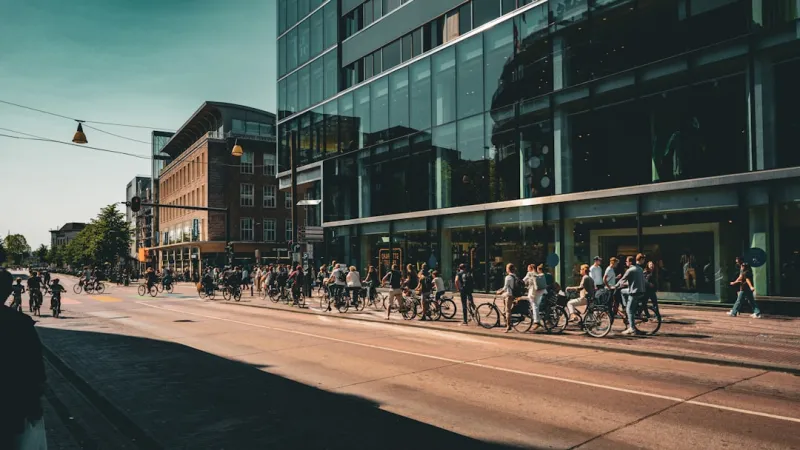
In the bustling corridors of today’s digital ecosystems, networking has morphed from a simple exchange of business cards into a dynamic, purpose‑driven choreography that fuels both personal growth and planetary health; I’ve watched this transformation first‑hand as I moved from traditional conference halls to virtual roundtables where data, sustainability, and human insight intersect, and I’ve come to believe that the most resilient connections are those built on shared values rather than mere transactional convenience. As I sit at my home office, sipping tea while monitoring a live feed of a global summit on green tech, I realize that every ping, every comment, and every collaborative document is an opportunity to embed a deeper intention—a commitment to make our networks not just wider, but wiser, more inclusive, and environmentally conscious.
Why Intentional Networking Matters in a Green Economy
When we speak of networking in the age of climate urgency, we must ask ourselves whether our professional webs are merely conduits for information or whether they act as catalysts for systemic change; this distinction is crucial because a network that champions sustainability can accelerate the diffusion of green innovations across sectors, turning isolated ideas into industry standards that benefit both profit margins and planetary thresholds. By aligning our connections with the ethos of sustainable marketing, we tap into a collective intelligence that amplifies impact, and research shows that professionals who integrate eco‑centric values into their outreach report higher engagement rates and more authentic partnerships, underscoring the business case for purpose‑driven networking.
Crafting a Purpose‑First Connection Strategy
The first step in building a purpose‑first network is to audit your existing contacts through the lens of shared sustainability goals, a practice I’ve adopted by mapping each relationship to a specific environmental outcome—be it carbon reduction, circular economies, or renewable energy adoption—so that every interaction carries a measurable intent; this audit not only highlights gaps but also reveals hidden synergies, enabling you to reach out with tailored proposals that resonate on a deeper level. Once you have this map, leverage platforms that prioritize ethical data usage and community‑driven content, and don’t shy away from embedding your sustainability narrative into every profile, post, and message, because authenticity today is the magnet that draws like‑minded innovators and investors into your orbit.
Leveraging AI‑Powered Tools for Sustainable Connections
Artificial intelligence is reshaping how we discover and nurture relationships, and the most forward‑thinking networkers are harnessing AI not just for efficiency but for aligning with green objectives; tools that analyze engagement patterns can flag contacts who are actively publishing on renewable initiatives, while predictive algorithms can suggest collaborations that maximize carbon‑offset potential, turning data into a sustainability engine that fuels both career growth and ecological stewardship. To see this in action, explore the insights in AI‑powered green search, which illustrates how intelligent queries can surface partners committed to reducing their environmental footprints, making every outreach a step toward a greener professional landscape.
Storytelling: The Secret Sauce of Meaningful Networking
Stories are the glue that binds disparate ideas into a coherent narrative, and in networking they serve as powerful vessels for conveying your sustainability mission; I’ve found that when I frame my projects as journeys—highlighting challenges, breakthroughs, and the tangible impact on communities—I not only capture attention but also inspire others to join the cause, because people remember the human element behind the data. Incorporating anecdotes about how a simple partnership reduced waste by 30 % or how a collaborative webinar sparked a regional clean‑energy pledge can turn a routine connection into a catalyst for collective action, reinforcing the idea that each network member is a stakeholder in the broader environmental story.
Creating Collaborative Spaces That Prioritize the Planet
Physical and virtual meeting spaces are fertile ground for embedding sustainability into the very fabric of our interactions; I routinely advocate for carbon‑neutral event formats—leveraging hybrid attendance, selecting venues with renewable energy certifications, and providing digital swag made from recycled materials—to demonstrate that our commitment to the planet extends beyond rhetoric and into logistics; these choices send a clear message to attendees that environmental stewardship is non‑negotiable, and they often inspire participants to adopt similar practices in their own organizations.
Measuring the Impact of Your Network’s Green Initiatives
To ensure that networking efforts translate into real-world outcomes, it is essential to establish clear metrics that track the environmental influence of each collaboration, whether it’s the amount of CO₂ saved through a joint supply‑chain optimization or the number of green jobs created through a shared recruitment drive; I maintain a living dashboard that aggregates these figures, turning abstract aspirations into concrete data points that can be reported to stakeholders and used to refine future strategies. By quantifying impact, you not only validate the value of purpose‑driven networking but also equip yourself with compelling evidence that can attract further investment and talent.
Learning From the Broader Sustainable Movement
Our professional networks do not exist in a vacuum; they are part of a larger societal shift toward responsible consumption and production, a theme explored in depth in The Rise of Sustainable Marketing, where the author outlines how aligning brand narratives with ecological values fuels both consumer trust and market expansion; by mirroring these principles in our networking practices—prioritizing transparency, championing circular solutions, and celebrating small victories—we become active participants in a quiet revolution that redefines success beyond profit margins.
Future‑Proofing Your Network for the Next Decade
Looking ahead, the most resilient networks will be those that continuously adapt to emerging technologies, regulatory changes, and shifting consumer expectations, all while keeping sustainability at the core; this means staying abreast of policy developments like carbon‑pricing mechanisms, investing in upskilling initiatives that teach partners how to embed eco‑design into products, and fostering a culture of lifelong learning that encourages experimentation and rapid iteration; by embedding these practices today, you ensure that your professional web remains robust, relevant, and ready to seize the opportunities of a greener tomorrow.

Margaret Thomson is a seasoned freelance writer specializing in the dynamic worlds of marketing and advertising. With a career deeply rooted in the marketing field, Margaret brings a wealth of practical experience and insightful knowledge to her writing.
Related Posts

The Power of Networking in Sustainability: How Connections Can Create a Better Future
Learn how networking in sustainability can help create a better future by building meaningful relati... Read More

Networking in the Age of Sustainability: Shawn DesRochers’ Playbook for Meaningful Connections
Shawn DesRochers shares his insider playbook for forging genuine, sustainability‑centric connectio... Read More

Building a Sustainable Network: The Key to Long-Term Success
Building a sustainable network requires effort, dedication, and a commitment to sustainable practice... Read More
Top Posts

How I Turned My Shopping Habit Into a Sustainable Superpower
A personal guide to making every purchase count, blending style, savings, and sustainability for a greener shopping experience....Read More

Sustainable Interior Design: How to Create a Greener Home
Learn how to create a greener home through sustainable interior design practices, from choosing eco-friendly materials to embracing sustainable technologies....Read More

Eco‑Cleaning the Rose DesRochers Way: Sustainable Hacks for a Sparkling Home
Rose DesRochers shares her personal eco‑cleaning journey, from pantry‑based solutions to sustainable tools, offering practical tips to make every home spark...Read More

Smart Appliances in 2026: How Tech Is Transforming the Sustainable Kitchen
Explore the latest sustainable kitchen trends, from AI‑driven refrigerators to circular‑economy appliances, and learn how smart upgrades can slash energy us...Read More
0 Comments
Post Comment
You will need to Login or Register to comment on this post!