

Why Sustainability Starts Before the First Cry
When I cradled my newborn for the first time, I felt an instant promise that every choice I make from that moment forward will echo in the world my child will inherit. That promise isn’t a vague sentiment; it’s a concrete roadmap that begins with the very first swaddle, the first bottle, and even the first bedtime story. I quickly realized that the products I reach for in the nursery are more than conveniences—they are statements about the planet we’re shaping for our little ones. In those early weeks, I swapped disposable wipes for reusable, cotton alternatives, and I began researching every label with the same intensity I once reserved for choosing a pediatrician. The shift felt daunting at first, but each small win—like a diaper bag that’s fully compostable—added up to a feeling of agency that turned anxiety into action. By treating sustainability as a foundational love language, I’ve turned the chaos of newborn life into a purposeful, mindful adventure.
Choosing the Right Foundations: Diapers, Clothing, and More
One of the first battlegrounds for eco‑conscious parents is the diaper aisle, where the clash between convenience and conscience is most visible. I moved from a pack of disposables to a well‑engineered cloth system that uses organic bamboo inserts and a waterproof outer shell, cutting landfill waste by thousands of pounds each year. The learning curve was real—understanding absorbency ratings, mastering the art of quick changes without a mess—but the payoff was immediate: softer skin for my baby and a lighter carbon footprint for my household. Clothing followed naturally; I now favor garments certified by GOTS (Global Organic Textile Standard), ensuring that every thread is grown without harmful pesticides and dyed with low‑impact colors. The tactile difference is palpable—soft, breathable fabrics that keep my toddler comfortable while reducing exposure to toxic chemicals. By treating these basics as long‑term investments rather than fleeting trends, I’ve built a nursery that feels luxurious, safe, and responsibly sourced.
Green Playtime: Toys That Teach and Protect
Play is the language of early development, and the toys we offer become the first teachers about values, materiality, and stewardship. I swapped plastic rattles for wooden blocks carved from responsibly harvested maple, each piece sanded smooth and finished with non‑toxic plant‑based oils. The durability of wood means these toys grow with my child, transitioning from a baby’s grasp to a preschooler’s imaginative constructions, dramatically extending their life cycle. I also introduced a line of upcycled plush friends—soft toys sewn from reclaimed fabric scraps that would otherwise become waste. These cuddly companions not only spark creativity but also model the principle of repurposing in a tangible way. For outdoor adventures, I chose a solar‑powered night‑light that doubles as a safe, low‑energy beacon for bedtime walks. By curating a play environment that prioritizes sustainability, I’ve turned ordinary moments into lessons about respect for resources, and I’ve noticed my toddler reaching for the greener options instinctively, a habit I hope will stay with them for life.
Safe Spaces, Sustainable Choices
Safety is the non‑negotiable cornerstone of any nursery, and it can coexist beautifully with eco‑friendly design. I turned to natural, VOC‑free paints for the walls, selecting a soft sage hue that not only calms my baby’s nervous system but also improves indoor air quality. The flooring is a bamboo laminate that’s both slip‑resistant and sustainably harvested, providing a sturdy surface for crawling explorers. When it came to furniture, I opted for a crib built from reclaimed pine, finished with a water‑based sealant that meets stringent child‑safety standards. These decisions were guided by insights from The Ultimate Guide to Keeping Kids Safe in a Sustainable World, which emphasizes that sustainable materials often carry fewer hidden chemicals than their conventional counterparts. Moreover, the lighting system utilizes LED bulbs paired with dimmable switches, reducing energy consumption while offering a gentle glow for nighttime feedings. By aligning safety protocols with green materials, I’ve crafted a haven where my child can thrive without compromising the planet’s health.
Everyday Routines That Reinforce a Greener Mindset
Embedding sustainability into daily rituals transforms abstract ideals into lived experiences for both parent and child. Bath time, for instance, became an opportunity to switch to biodegradable, plant‑based soap that lathers beautifully without polluting waterways. I placed a small, reusable water bottle within my toddler’s reach, encouraging the habit of sipping from a personal container rather than relying on single‑use plastic cups. Feeding moments are also reimagined: I use silicone bibs that can be washed and reused, and I’ve started preparing purees in glass jars that double as storage for leftovers, minimizing waste. These small shifts are reinforced by storytelling—narrating how each action helps the earth—so the concepts stick in my child’s developing mind. I also keep a “green checklist” on the fridge, ticking off weekly goals like “use cloth napkins” or “recycle diaper liners,” turning the process into a collaborative game. The cumulative effect of these intentional habits is a household rhythm that feels purposeful, and it lays the groundwork for my toddler to internalize eco‑conscious choices as second nature.
Connecting the Dots: Safety Meets Sustainability
While each sustainable decision stands strong on its own, the real power emerges when they intersect, creating a holistic approach to parenting that protects both child and planet. My research led me to Eco‑Friendly Parenting Hacks for Babies and Toddlers, a treasure trove of ideas that blend safety guidelines with green alternatives—like using a natural wool blanket that regulates temperature and reduces the risk of overheating, a common concern in infant sleep safety. I also explored digital tools that track our carbon savings, turning abstract numbers into tangible milestones we celebrate together. For instance, after a month of using cloth diapers, the app highlighted a reduction of 2,500 pounds of waste, a metric we displayed proudly on the nursery wall. By aligning the metrics of safety (e.g., non‑toxic materials) with sustainability outcomes (e.g., waste reduction), I’ve cultivated a feedback loop that motivates continuous improvement and keeps both concerns front and center in our daily decisions.
Building a Community of Eco‑Savvy Parents
No parent is an island, and sharing experiences amplifies the impact of each sustainable choice. I joined a local “green parents” meetup where we swap tips, swap gently used organic clothing, and even organize community swaps for toys that have outgrown one child but still have years of life left for another. Online, I contribute to forums that reference my journey, linking back to resources like Eco‑Friendly Living from the Inside Out: My Journey to Sustainable Everyday to illustrate how household habits intertwine with parenting decisions. The sense of belonging that emerges from these connections reinforces my commitment and provides fresh ideas—like creating a “nature corner” in the playroom with reclaimed wood shelves for potted herbs, teaching kids where food starts. By fostering a network of like‑minded families, we multiply the ripple effect of each eco‑friendly action, turning individual effort into a collective movement that reshapes the cultural narrative around baby and toddler care.
Looking Forward: Tiny Steps, Big Impact
Reflecting on the past months, I’m humbled by how many seemingly tiny adjustments have compounded into a meaningful, planet‑positive lifestyle for my family. The journey is far from finished; each milestone—whether it’s a new biodegradable bottle or a solar‑powered night‑light—opens the door to the next opportunity for improvement. I’m excited to keep experimenting, to stay curious, and to model resilience for my toddler, showing that caring for the earth is an ongoing adventure, not a checklist. As we continue to grow, I hope other parents feel inspired to ask, “What can I do today that benefits my child and the world?” The answer, I’ve learned, often lies in the simple act of choosing consciously, celebrating each win, and sharing the story so others can follow. Together, our tiny steps will become the foundation of a greener, safer future for the next generation.

Miranda Murphy: Experienced freelance writer with a decade of storytelling expertise. Let's create something amazing together!
Related Posts

Eco‑Friendly Parenting Hacks for Babies and Toddlers
Explore actionable eco‑parenting strategies—from cloth diapers to green cleaning—that nurture ... Read More
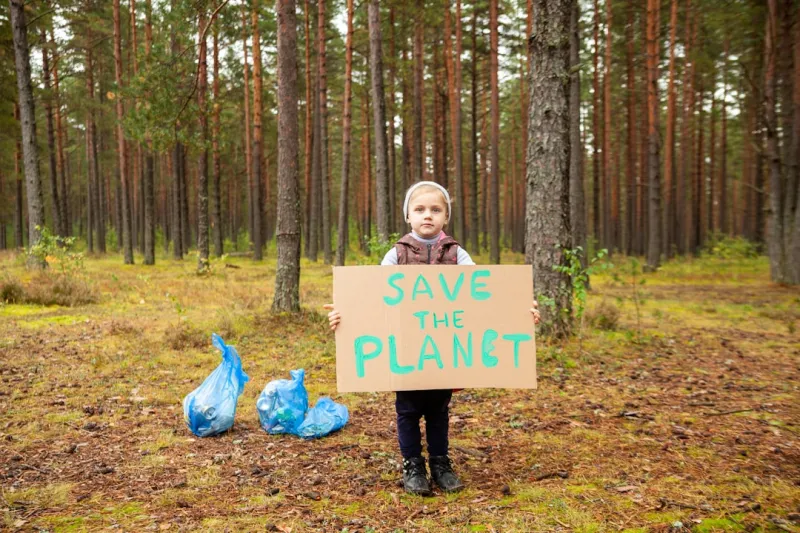
Raising Tiny Earth Guardians: A Sustainable Parenting Blueprint
A heartfelt guide on sustainable parenting, offering actionable tips for eco‑friendly baby gear, g... Read More
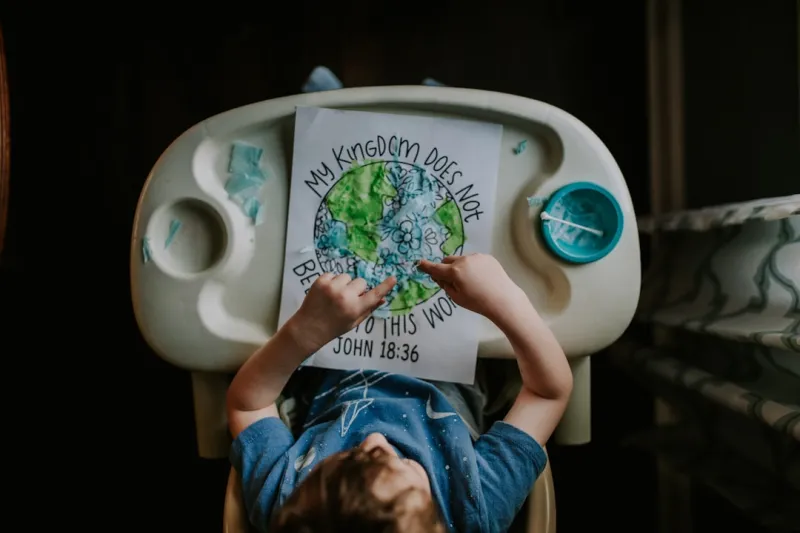
Raising Little Environmentalists: A Guide to Sustainable Parenting
Raising little environmentalists requires a commitment to sustainable parenting and a willingness to... Read More
Top Posts

The Green Plate: How 2026’s Food Trends Are Redefining What We Eat
Discover how 2026’s sustainable food movements—from cultured meat to zero‑waste cooking—are transforming kitchens, restaurants, and families alike....Read More

The Sustainable Shopper’s Playbook: How I Turn Everyday Purchases Into Planet‑Friendly Wins
Michelle Fisher shares her personal journey to eco‑friendly shopping, revealing strategies, tech tools, and community swaps that turn ordinary purchases into ...Read More

The Power of Networking in the Digital Age
Learn how to harness the power of networking in the digital age to connect with others, share ideas, and collaborate on projects to achieve your goals....Read More

Wander with Purpose: How Sustainable Travel Transforms the Soul
Discover how to turn wanderlust into a sustainable adventure, from eco‑friendly transport to mindful souvenirs, and learn to travel responsibly while enrichin...Read More
0 Comments
Post Comment
You will need to Login or Register to comment on this post!