
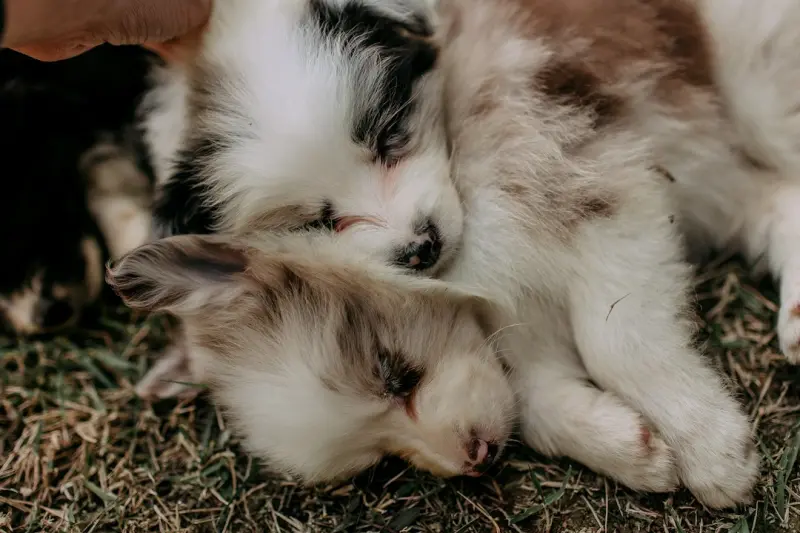
The Pet‑Powered Productivity Playbook: Turning Your Furry Friend into a Remote‑Work Ally
When the pandemic turned kitchens into boardrooms and living rooms into co‑working spaces, many of us discovered an unexpected teammate on the job: our pets. They’re no longer just a weekend pastime; they’re a daily presence that can boost morale, break up monotony, and even sharpen focus. In this playbook, I’ll share the strategies I’ve tested while juggling client calls, code reviews, and a mischievous tabby who thinks my keyboard is a personal runway. Think of this as a field guide for turning pet‑induced interruptions into intentional productivity hacks.
Why Pets Matter in the Hybrid Era
Hybrid work isn’t just a schedule—it’s a mindset. The line between “office” and “home” has blurred, and with it, the way we experience stress, energy, and creativity. A quick glance at the latest workplace research shows that employees who interact with animals experience a measurable drop in cortisol, the stress hormone, and an uptick in oxytocin, the “feel‑good” chemical. The result? A calmer mind, sharper decision‑making, and a higher likelihood of staying on task after a brief, purposeful pet break.
Setting the Stage: A Pet‑Friendly Home Office
Before you can harness your companion’s power, you need an environment that respects both work and whiskers. Start with a dedicated pet zone within arm’s reach of your desk—think a plush rug, a water bowl, and a favorite toy. This creates a visual cue for your pet: “I’m nearby, but not on the keyboard.” A simple “pet‑pause” sign can also signal to coworkers during video calls that a furry cameo may be imminent, turning potential embarrassment into a charm point.
- Designate a “focus zone” for deep work, free of pet toys and treats.
- Set up a “play zone” with interactive toys that can keep your pet occupied while you dive into tasks.
- Invest in a smart feeder that dispenses meals on schedule, so you don’t have to pause for feeding.
Micro‑Breaks: The Secret Sauce of Pet‑Powered Focus
Micro‑breaks are short, intentional pauses that reset your brain. Instead of scrolling social media, use a five‑minute cuddle session. Research shows that a brief, positive interaction with an animal can reset attention networks, making the next work sprint more efficient. Here’s a quick micro‑break routine you can embed into any hour:
- Spot the Cue: When you notice your mind drifting, glance at your pet.
- Engage for 60 seconds: Scratch behind the ears, toss a toy, or simply whisper a funny anecdote.
- Refocus: Return to your screen, noting the fresh mental clarity.
This cycle can be repeated every 90 minutes—the natural ultradian rhythm of the brain—to keep energy levels high.
Leveraging Tech: From Feeders to Wearables
The pet tech market is exploding, and many of these gadgets double as productivity tools. A digital health dashboard for your cat’s activity can double as a reminder to stand up and stretch. Wearable activity trackers for dogs can sync with your calendar, prompting you to schedule a walk during a natural lull in meetings. This not only fulfills the pet’s exercise needs but also injects movement into your workday, combating the dreaded “desk‑bound fatigue.”
Turning Playtime into Skill‑Building
Play isn’t just fun; it’s a developmental engine for pets and a creative catalyst for owners. Incorporate training drills that sharpen your pet’s obedience while giving you a mental reset. Teaching a dog to fetch a specific item (like your phone charger) or training a cat to respond to a “pause” cue can be surprisingly rewarding. These sessions improve your pet’s confidence, reduce destructive behavior, and give you a sense of accomplishment—an emotional boost that translates into better work performance.
Managing Distractions Without Guilt
Let’s face it: a pet will occasionally leap onto a keyboard or demand attention mid‑call. The key is to reframe these moments as opportunities rather than interruptions. If a cat sits on your laptop, take a moment to explain the “cat‑on‑the‑keyboard” protocol to your team—perhaps a quick joke or a shared meme. Transparency builds empathy, and humor can turn a potentially awkward moment into a bonding experience with colleagues.
Pet‑Centric Team Building
Many companies have embraced “pet‑friendly” policies, from allowing animals in the office to hosting virtual pet‑show-and-tell sessions. As a remote leader, you can replicate this by inviting team members to share a quick video of their pet during a stand‑up or creating a Slack channel dedicated to pet photos and stories. This not only humanizes the workplace but also fosters a sense of community that can be hard to achieve in a fully digital environment.
Measuring the ROI of Your Furry Co‑Worker
Quantifying pet‑driven productivity might sound whimsical, but it’s doable. Track metrics such as:
- Number of micro‑breaks taken per day and corresponding task completion rate.
- Self‑reported stress levels before and after a pet interaction (use a simple 1‑10 scale).
- Frequency of spontaneous “pet‑related” ideas during brainstorming sessions.
Over a month, you’ll likely see a correlation between regular pet interactions and higher output quality, fewer burnout symptoms, and an overall boost in job satisfaction.
Future Trends: The Rise of Pet‑Integrated Workflows
As the lines between work, home, and leisure continue to blur, we can expect a surge in solutions that weave pets into the professional fabric. Imagine AI‑powered meeting assistants that detect a pet’s bark and automatically mute the mic, or collaborative platforms that schedule “pet‑break” reminders based on team productivity peaks. Companies that embrace these innovations early will not only attract top talent who value work‑life harmony but also cultivate a culture where wellbeing is baked into every process.
Takeaway Checklist
Ready to make your pet an integral part of your remote work strategy? Here’s a quick checklist to get you started:
- Designate a pet‑friendly zone within arm’s reach of your workspace.
- Invest in a smart feeder or automatic water dispenser.
- Schedule micro‑breaks for pet interaction every 90 minutes.
- Use wearable tech to sync pet walks with calendar gaps.
- Incorporate training drills as mental resets.
- Communicate pet policies transparently with your team.
- Track stress and productivity metrics to gauge impact.
- Explore emerging pet‑integrated workflow tools.
By treating your pet as a teammate rather than a distraction, you’ll unlock a new dimension of productivity, creativity, and workplace happiness. So next time your cat decides to audition for “Keyboard Cat 2.0,” smile, pause, and remember—you’re actually investing in a better workday.

Jim Pearse, a seasoned freelance writer, brings a wealth of knowledge and passion to the world of home and garden. From the intricacies of landscaping to the nuances of interior design, Jim delves into every aspect of creating comfortable, beautiful, and functional living spaces.
Related Posts

Transform Your Apartment into a Pet‑Friendly Sanctuary
Living in a compact apartment doesn’t mean compromising your pet’s happiness. Learn practical, b... Read More

Creating a Pet‑Friendly Home Office: Boost Productivity and Keep Your Furry Friend Happy
Discover how to design a home office that welcomes your pet, improves productivity, and creates a ha... Read More
Decoding Your Pet’s Inner Language: A Guide to Better Communication
Discover practical strategies to understand your pet’s signals, design supportive environments, an... Read More
Top Posts
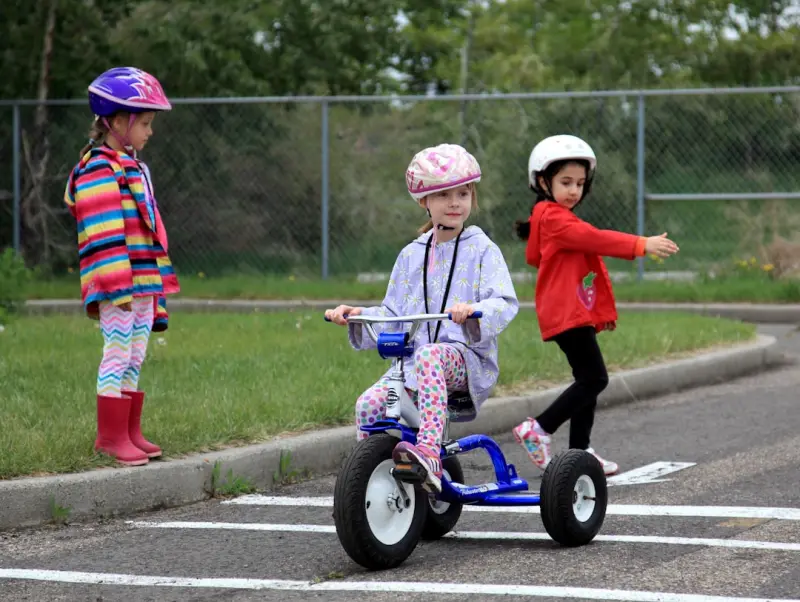
Invisible Guardians: A Fresh Blueprint for Kids Safety
Learn how to create an invisible‑guardian safety system that blends play‑centric design, predictable routines, subtle tech, and eco‑friendly practices, le...Read More

Zero Trust Architecture: Reinventing SaaS Security for the Modern Enterprise
Zero trust is no longer a buzzword; it’s a necessity for SaaS providers. This post walks through the principles, implementation steps, and future trends of ze...Read More

Leveling Up Life: How Gaming Communities Shape Our Real World
Explore the transformative power of gaming communities—from fan‑crafted stories and collaborative events to inclusive design and player‑run economies—re...Read More

The Soil Microbiome’s Secret Language: Turning Gardens into Living Labs
A deep dive into the hidden world of soil microbes reveals how gardeners can apply systems thinking, circular design, and low‑tech monitoring to build resilie...Read More
0 Comments
Post Comment
You will need to Login or Register to comment on this post!