
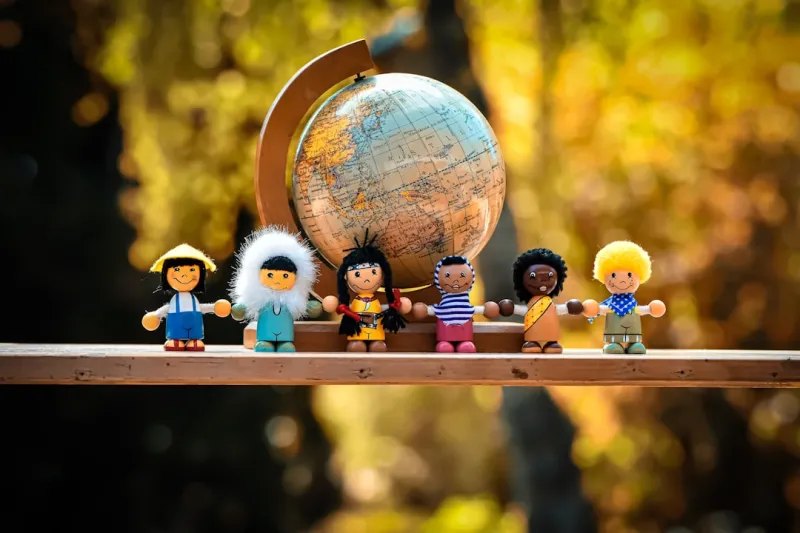
Why Playtime Needs a Sustainable Makeover
When I was a kid, the backyard was a sandbox of imagination, filled with plastic dinosaurs that never seemed to age, yet the memory of them now feels like a relic of a less‑conscious era; today, as a parent and a lifelong toy enthusiast, I’m constantly reminded that every squeaky rubber ball and glitter‑covered puzzle carries an invisible carbon footprint that we can no longer afford to ignore. Kids deserve toys that spark joy without harming the planet, and the market is finally listening—designers are swapping petroleum‑based plastics for biodegradable biopolymers, and manufacturers are embracing circular‑economy models that let families return worn‑out pieces for refurbishment or upcycling. This shift isn’t just about green credentials; it’s about creating heirloom‑quality playthings that can be passed down, reducing waste, and teaching our little ones the value of stewardship from the very first tumble‑down the stairs.
The Rise of Eco‑Friendly Materials in the Toy Aisle
One of the most exciting trends I’ve observed is the surge of plant‑based plastics derived from corn starch, bamboo, or even recycled ocean waste, which now appear on shelves alongside traditional vinyl; these materials not only break down faster in composting facilities but also often require less energy to produce, shrinking the overall lifecycle emissions of each toy. Brands are also experimenting with natural dyes and water‑based inks, eliminating the toxic chemicals that once leached into children’s hands and the surrounding environment, and they’re proudly labeling their products with certifications like USDA BioPreferred and EU Ecolabel to assure discerning parents of their authenticity. I’ve personally swapped my son’s old wooden train set for a sleek, bamboo‑crafted line that feels warm to the touch and, best of all, can be sanded and refinished when the paint chips, extending its life far beyond the typical three‑year turnover.
Designing for Longevity: The Playful Philosophy of “Built to Last”
Beyond materials, the philosophy of durability is reshaping how we think about play; toys that can evolve with a child’s developmental stages—think modular building blocks that click together in endless configurations—encourage repeated use and reduce the impulse to discard items once a single feature is outgrown. Companies are now offering repair kits and online tutorials, empowering families to replace broken gears or re‑stitch torn plush fabrics instead of tossing them, which not only saves money but also cultivates a DIY mindset that aligns perfectly with my own love for hands‑on creativity. This approach mirrors the ethos I detail in The Sustainable Shopper’s Playbook, where I champion conscious consumption habits that extend the life cycle of everything from sneakers to snack containers, and toys are a natural extension of that narrative.
Interactive Tech Meets Green Play
While the nostalgic charm of wooden puzzles and cloth dolls endures, today’s tech‑savvy youngsters also crave interactive experiences, and the industry is answering with sustainable smart toys that blend low‑energy Bluetooth connectivity, solar‑charged batteries, and recyclable electronic components. These devices often feature open‑source software that can be updated over the air, meaning the hardware never becomes obsolete—an elegant solution to the e‑waste crisis that plagues conventional handheld consoles. I’m particularly excited about a line of augmented‑reality (AR) explorer kits that use biodegradable cardboard lenses and recycled plastic casings, turning a backyard adventure into a planetary quest without a single disposable battery in sight, and they dovetail nicely with the insights from Tech Meets Sustainability: Trends Shaping 2024, where innovators discuss how low‑carbon tech is redefining every consumer category.
Packaging: The First Impression of Sustainability
Even before a child lifts a toy from the shelf, the packaging sets the tone for its environmental story; minimalist designs that use recycled cardboard, soy‑based inks, and water‑soluble glues are rapidly becoming the norm, turning what was once a wasteful afterthought into a proud badge of eco‑consciousness. Some brands go a step further by embedding seed paper into their boxes, allowing families to plant the packaging after playtime and watch wildflowers bloom—a delightful, tactile reminder that every purchase can be a catalyst for growth. I’ve made it a ritual to compost any leftover packaging in our kitchen bin, and I encourage fellow parents to do the same, because the cumulative impact of diverting a few hundred grams of cardboard each month adds up to a significant reduction in landfill burden over the course of a year.
Community‑Driven Toy Swaps and Rental Models
One of the most powerful ways to reduce waste while keeping play fresh is through community‑based toy swaps and subscription rental services that let families rotate a curated selection of high‑quality, sustainably made toys every few months; this model not only lowers the cost per play experience but also fosters a sense of sharing and collective responsibility that mirrors the cooperative games we love to play. In my neighborhood, we’ve started a quarterly “Play‑It‑Forward” exchange, where parents drop off gently used items and pick up new ones, creating a revolving library of toys that would otherwise sit idle in a closet. These initiatives echo the broader circular‑economy principles highlighted in the sustainable movement, turning the act of giving away a beloved plush bear into a celebration of community resilience.
Teaching Kids the Value of Sustainable Play
Beyond the products themselves, the conversations we have with children about why a toy is made a certain way can plant seeds of environmental stewardship that last a lifetime; I love to sit with my daughter and explore the story behind her bamboo building blocks, pointing out the forest responsibly managed to grow the material and the compostable bag that held them, turning a simple play session into a mini‑lesson in ecology. By involving kids in simple recycling chores—like separating packaging or helping to plant the seed paper—they internalize the idea that every action, no matter how small, contributes to a healthier planet. This hands‑on approach aligns perfectly with the principles I share in my blog series on sustainable living, where I emphasize that education is the most potent tool in our collective toolbox.
Looking Ahead: What the Future Holds for Green Toys
The momentum behind sustainable toys is only accelerating, driven by consumer demand, regulatory pressure, and a new generation of designers who view the planet as a co‑creator rather than a backdrop; I anticipate we’ll see more closed‑loop manufacturing processes, where waste from one product becomes the raw material for another, creating a seamless, zero‑waste ecosystem that mirrors the circular economies of nature. Additionally, advances in bio‑fabrication may soon allow us to 3‑D print custom toys on demand using plant‑based filaments, eliminating inventory surplus and shipping emissions altogether. As we navigate this exciting frontier, I remain hopeful that the toys of tomorrow will not only inspire imagination but also embody the very values we wish to pass on to the next generation—creativity, responsibility, and a deep love for the world we share.
Practical Steps for Parents Who Want to Make the Switch
If you’re ready to transition your family’s playroom to a greener vibe, start by auditing the current collection—identify items made from single‑use plastics or those with excessive packaging, and consider donating, recycling, or upcycling them; next, research brands that prioritize transparency in sourcing and offer take‑back programs, and make a habit of checking for certifications before each purchase. Finally, involve your children in the decision‑making process; let them vote on which sustainable toy they’d like to try next, turning the act of buying into an empowering, values‑based experience that reinforces the lesson that every choice matters. By taking these deliberate steps, you’ll not only reduce your household’s carbon footprint but also nurture a generation of mindful consumers who view play as a conduit for positive change.

Miranda Murphy: Experienced freelance writer with a decade of storytelling expertise. Let's create something amazing together!
Related Posts
The Impact of Sustainable Practices on the Toy Industry
The toy industry is undergoing a significant transformation, driven by growing demand for sustainabl... Read More
The Future of Play: How Sustainable Toys Are Revolutionizing the Industry
The toy industry is evolving, and sustainable toys are leading the way. Learn about the benefits of ... Read More
The Future of Play: How Sustainable Toys are Revolutionizing the Industry
The toy industry is evolving towards more sustainable practices. Learn about the benefits of sustain... Read More
Top Posts

Eco-Friendly Celebrations: A Sustainable Approach to Life's Special Moments
Make your celebrations more sustainable with eco-friendly tips and ideas. Learn how to reduce waste, choose sustainable food and drink, and create a positive im...Read More

The Intersection of Finance and Sustainability: A New Era of Eco-Friendly Investing
The intersection of finance and sustainability is a rapidly evolving field that's full of opportunities and challenges. Learn how eco-friendly investing is revo...Read More
The Role of Education in Shaping a Sustainable Future
Education has the power to transform our world for the better. Learn how sustainable education can shape a more sustainable future and empower future generation...Read More
Raising Green Kids: A Parenting Journey from Diapers to Sustainable Adventures
Explore a modern parenting guide that blends love, sustainability, and fun, offering real‑world tips for raising environmentally conscious children....Read More
0 Comments
Post Comment
You will need to Login or Register to comment on this post!