

The Playground Has Evolved
When I was a kid, a playground meant a patch of concrete, a swing set, and a handful of friends. Today, the same age group can launch a digital adventure from the palm of their hand, remix a song in real time, or collaborate on a 3‑D model with a peer half a world away. This shift isn’t just about gadgets; it’s about a fundamental change in how curiosity is sparked and sustained. The modern kid treats technology like a sandbox, layering code, graphics, and community into a single, ever‑expanding playground.
Why Kids Crave Interactive Learning
Interactive learning taps into the same neurological reward loops that power video games. When a child solves a puzzle, sees an immediate visual response, or earns a badge, dopamine floods the brain, reinforcing the behavior. The trick is to pair that instant gratification with genuine educational value. Think of a science app that lets a teenager simulate a volcanic eruption, adjust variables, and watch the results in real time. The learning feels like a quest, not a lecture, and the knowledge sticks long after the screen goes dark.
The Power of Community‑Driven Creation
One of the most exciting trends I see is the rise of youth‑led digital communities where members co‑create, critique, and iterate on each other’s work. These aren’t just chat rooms; they’re thriving ecosystems of shared assets, open‑source tools, and mentorship loops. A teenager can publish a simple animation, receive feedback from peers, and then remix that feedback into a polished short film—all without leaving the platform. This peer‑to‑peer model mirrors professional creative pipelines, giving kids a head start on real‑world collaboration.
From Passive Consumption to Active Production
For years, the narrative around kids and screens was “they’re watching too much.” Today, the narrative is flipping: kids are becoming producers. Platforms that let them build, script, and share their own interactive stories are exploding in popularity. When a child builds a simple chatbot to answer trivia about dinosaurs, they’re not just playing; they’re learning natural language processing, logic trees, and the fundamentals of user experience. That shift from passive scrolling to active building is the most powerful skill transfer I’ve witnessed.
Balancing Screen Time with Real‑World Play
Parents often worry that digital play will replace the outdoors. In reality, the smartest kids blend the two. A family might spend the morning hiking and the afternoon using an augmented‑reality app to identify flora and fauna. The technology becomes a guide, not a replacement. The key is intentional design: apps that encourage stepping outside, measuring distances, or even prompting a physical challenge after a certain number of virtual achievements. This synergy ensures that screen time amplifies, rather than diminishes, real‑world exploration.
Future‑Proof Skills for the Next Decade
What will the job market look like when today’s teens graduate? Most forecasts point to a world where adaptability, interdisciplinary thinking, and digital fluency dominate. Skills like basic coding, data visualization, and collaborative project management are no longer optional—they’re baseline expectations. By nurturing these abilities early, we’re not just preparing kids for a future job; we’re giving them a toolkit to reshape any future they encounter. The confidence that comes from building something tangible on their own is, in itself, a future‑proof asset.
Practical Steps for Parents and Educators
- Choose platforms that prioritize creation over consumption. Look for tools that let kids export their work, remix it, and share it publicly.
- Integrate physical challenges. Pair a coding session with a scavenger hunt, a math puzzle with a bike ride, or a design sprint with a craft project.
- Encourage community participation. Join kid‑focused forums, hackathons, or online festivals where young creators showcase their work.
- Model curiosity. Dive into a new app or tool alongside them. Your enthusiasm is contagious.
Learning by Doing: A Real‑World Example
Last summer, a group of middle‑schoolers I mentor built a simple modular laptop prototype using recyclable cardboard, basic circuitry, and open‑source firmware. They didn’t just assemble parts; they documented each step, filmed tutorials, and uploaded their process to a community hub. Within weeks, another school in a different city replicated the design, added a solar charging module, and sent back a video of their iteration. The project spiraled into a cross‑border learning network, illustrating how a hands‑on tech challenge can seed global collaboration.
The Role of Emerging Tech in Kids’ Creativity
While many tech trends feel adult‑centric, a handful are naturally kid‑friendly. Augmented reality (AR) overlays digital clues onto the physical world, turning a backyard into a treasure map. Simple AI tools can help a teen generate story prompts, design characters, or even suggest musical chords. When these tools are packaged with intuitive interfaces, they become extensions of imagination rather than opaque black boxes. The browser’s hidden performance boost means kids can run sophisticated simulations without bulky downloads, keeping the experience smooth and accessible.
Designing for Trust and Safety
Any conversation about kids online must address safety. Trust isn’t built through heavy restrictions; it’s cultivated through transparent design. Platforms that clearly explain data usage, offer parental controls, and empower kids to report concerns create an environment where creativity can flourish without fear. When users see that their privacy is respected, they’re more willing to experiment, share, and collaborate—key ingredients for a vibrant creator economy.
Looking Ahead: The Next Generation of Play
Imagine a world where every child can prototype a robot, compose a song, or design a virtual city by the time they’re ten. That future isn’t far off; it’s already being built in classrooms, community labs, and living rooms today. The secret isn’t more screen time; it’s better, purpose‑driven interaction that blends the tactile with the digital, the individual with the community. By nurturing this hybrid play, we’re giving the next generation the confidence to turn curiosity into impact.

David Moore is a freelance writer specializing in two dynamic and ever-evolving fields: gambling and the tech industry. With a keen eye for detail and a knack for unraveling complex topics, David delivers insightful and engaging content that keeps readers informed and entertained.
Related Posts

Turning Screen Time Into Creative Studios: A Teen’s Guide to Building a Personal Content Empire
Learn step‑by‑step how teens can turn everyday screen time into a thriving personal studio, mast... Read More
Augmented Reality Field Trips: Turning Classrooms into Adventure Zones
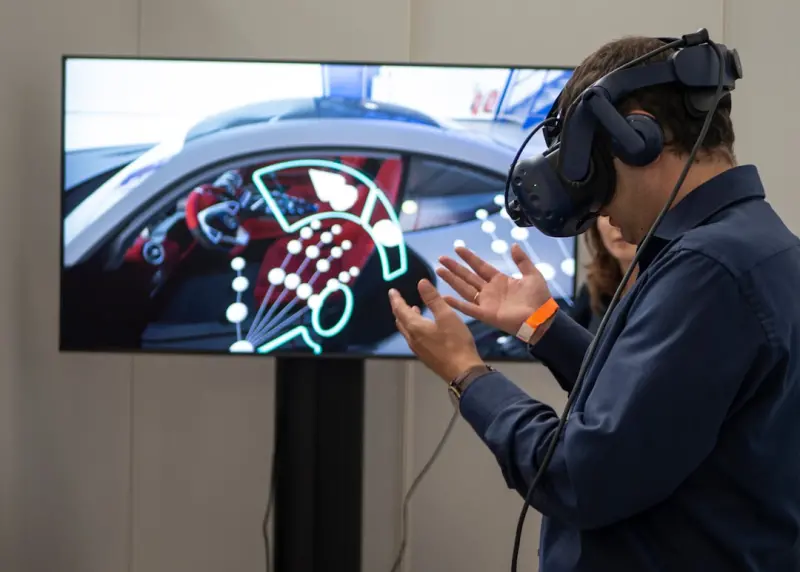
Augmented reality brings classroom concepts to life, letting students explore dinosaurs, historic si... Read More
The Importance of Sustainable Living for Kids and Teens
Sustainable living is crucial for kids and teens. Learn how to raise eco-conscious kids and promote ... Read More
Top Posts

Raising Little Environmentalists: A Guide to Sustainable Parenting
Raising little environmentalists requires a commitment to sustainable parenting and a willingness to model environmentally responsible behaviors. Learn how to p...Read More

The Dark Side of the Internet: Navigating Online Safety in a Digital Age
The internet can be a breeding ground for scammers, hackers, and other malicious individuals. Learn how to stay safe online and protect yourself from cyber thre...Read More

Embedded Insurance: Turning Coverage Into a Seamless Product Feature
Embedded insurance integrates coverage directly into SaaS experiences, using real‑time telemetry and AI to offer dynamic, usage‑based policies that enhance ...Read More
When Play Becomes a Platform: The New Age of Smart, Modular Toys
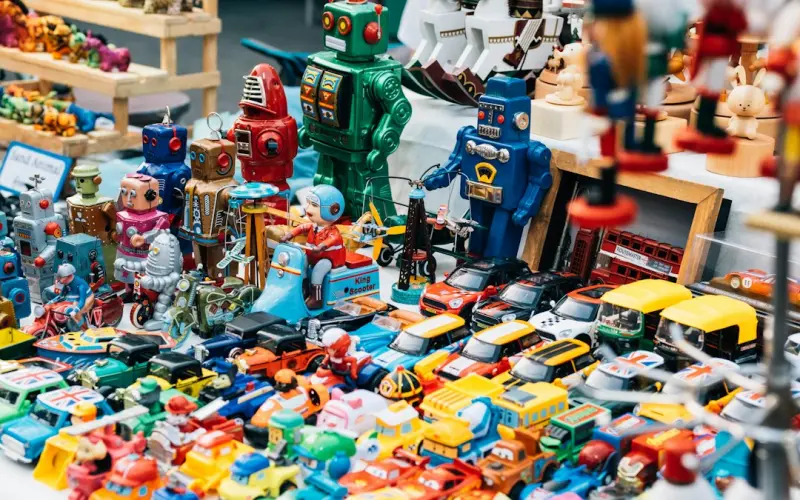
Smart, modular toys are reshaping play into a platform for learning, collaboration, and sustainability, offering adaptable experiences for kids, parents, and re...Read More
0 Comments
Post Comment
You will need to Login or Register to comment on this post!