
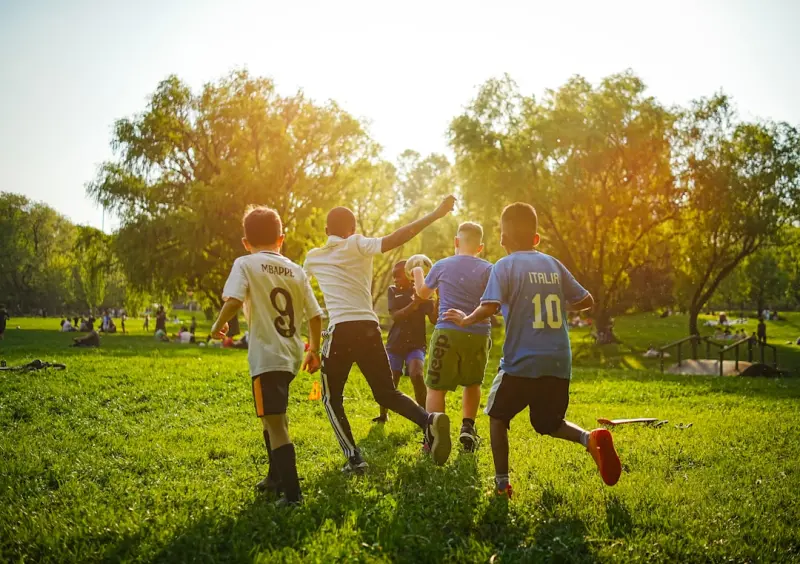
Why Pop‑Up Sports Leagues Are the Future of Community Play
When I was a kid, the nearest basketball court was a cracked concrete slab behind the local deli, and the only way to get a game together was to shout across the street for a spare ball. Fast‑forward to today, and the streets are buzzing with impromptu soccer matches, midnight ultimate Frisbee tournaments, and weekend skate‑boarding jams that spring up out of nowhere. This isn’t a nostalgic throwback—it’s a growing movement that’s redefining how we think about organized sport, community, and health.
Pop‑up sports leagues are the organic, low‑barrier answer to the high‑cost, high‑commitment models that dominate mainstream athletics. They’re built on the principle that anyone, regardless of age, skill level, or budget, can step onto a field, court, or alley and just play. In this post I’ll unpack the forces fueling this surge, share practical steps to launch a pop‑up league in your own neighborhood, and explore the broader social ripple effects that make this trend more than just a fleeting fad.
The Catalysts Behind the Pop‑Up Revolution
Three intersecting trends have converged to create fertile ground for pop‑up sports:
- Urban Flexibility: Cities are reimagining public spaces. From pop‑up parks to temporary skate plazas, municipal planners are embracing “activatable” environments that can switch purpose in a single afternoon.
- Digital Coordination: Social platforms, community apps, and messaging groups make it effortless to rally a crowd for a one‑off game. A quick post on a neighborhood forum can fill a basketball hoop within minutes.
- Health‑First Mindset: After years of sedentary routines, people are craving movement that feels fun rather than a chore. The low‑stakes vibe of pop‑up leagues lowers the intimidation factor that keeps many on the sidelines.
These dynamics echo the DIY spirit found in other creative arenas. Just as teenagers can design a DIY maker lab at home to experiment with tech, everyday adults can cobble together a makeshift sports league using nothing more than a ball, a few volunteers, and a public space.
Pop‑Up vs. Traditional Leagues: A Side‑by‑Side Comparison
| Aspect | Traditional League | Pop‑Up League |
|---|---|---|
| Commitment | Season‑long contracts, regular practices, fees | One‑off or short‑run events, drop‑in participation |
| Cost | Registration fees, equipment rentals, facility costs | Often free or low‑cost; utilizes public spaces |
| Inclusivity | Often tiered by skill, age, or experience | Open to all skill levels; focus on fun over competition |
| Administration | Formal board, scheduled matches, insurance paperwork | Community volunteers, informal rules, minimal paperwork |
The table makes it clear: pop‑up leagues trade the polish of established organizations for accessibility, spontaneity, and community ownership. That trade‑off isn’t a downgrade; it’s a strategic pivot toward a model that scales organically with neighborhood enthusiasm.
How to Build a Pop‑Up League from Scratch
Launching a pop‑up league might feel daunting, but breaking it down into bite‑size steps keeps the process manageable.
1. Identify the Space
Look for underused public venues: schoolyards after hours, vacant lots, community centers, or even a wide sidewalk on a sunny Saturday. The key is permission—reach out to the local council or property owner early to confirm you’re good to go.
2. Choose a Sport That Fits the Locale
Consider the dimensions of your space and the community’s interests. A narrow alley might be perfect for a street soccer tournament, while a larger park could host a beach‑volleyball style net. The sport should be simple enough that newcomers can pick it up in a few minutes.
3. Set Up a Simple Sign‑Up System
Leverage existing platforms: a Facebook group, a Nextdoor post, or a dedicated event page on Meetup. Include essential details—time, location, what to bring, and a brief rundown of the rules.
4. Gather Minimal Equipment
Most pop‑up games need only a ball, a few cones, and perhaps a portable net. Local hardware stores or community donations can supply these items. For a sustainable twist, consider repurposing materials—think recycled pallets as goal posts.
5. Define Loose Rules and Emphasize Fun
Draft a concise rule sheet (no more than a page). Focus on safety, sportsmanship, and inclusivity. Encourage participants to “play‑by‑play” and adapt rules on the fly if needed.
6. Promote the Event With a Narrative
People love stories. Frame your league as a “neighborhood revival” or “summer street series.” Use vibrant images, short videos, and a catchy hashtag to spark buzz.
7. Execute and Iterate
Show up early, set up the field, welcome players, and keep the energy high. After the first game, solicit quick feedback—what worked, what didn’t—and use that intel to improve the next session.
8. Archive & Celebrate
Capture photos and short clips, then share a recap post. Highlight standout moments, community smiles, and any quirky mishaps (those often become the most memorable stories). This creates a feedback loop that fuels future participation.
Beyond the Game: Social and Health Benefits
While the immediate payoff is a fun match, the ripple effects are profound:
- Social Cohesion: Regular pop‑up events create informal networks. Neighbors who once exchanged nods become teammates, fostering trust and neighborhood safety.
- Mental Health Boost: Physical activity releases endorphins, but the added element of communal play amplifies mood elevation, reducing stress and anxiety.
- Skill Development: Participants pick up coordination, teamwork, and quick decision‑making—transferable skills that benefit school, work, and daily life.
- Environmental Awareness: Pop‑up leagues often repurpose existing spaces, encouraging a greener mindset. This aligns nicely with initiatives like cultivating a smart garden, where community members turn idle land into thriving ecosystems.
Case Study: The “Sidewalk Soccer Sundays” Phenomenon
In a midsize town in the Pacific Northwest, a group of parents frustrated by the lack of youth sports options launched “Sidewalk Soccer Sundays.” They chose a quiet, two‑lane street, marked out a 20‑by‑30‑foot pitch with chalk, and invited any child (and adult) to join. Within weeks, the event grew from a handful of kids to a neighborhood staple drawing 30‑plus participants, local vendors, and even a small live‑stream audience.
Key takeaways from their experience:
- Leverage Existing Community Channels: The organizers used the town’s public library bulletin board and a neighborhood WhatsApp group to spread the word.
- Low‑Cost Sponsorships: A nearby sporting goods store donated extra balls and jerseys in exchange for a modest sign on the sidewalk.
- Iterative Scaling: After each session, they surveyed participants, discovered a demand for a “women’s night,” and added a separate evening slot.
The success story illustrates how a modest, well‑organized pop‑up can blossom into a cultural touchstone, reinforcing the idea that these leagues are not just games—they’re community building blocks.
Addressing Common Concerns
“What About Liability?”
Most municipalities have basic public‑use liability coverage for city‑owned spaces. Still, it’s wise to have participants sign a short waiver acknowledging that they’re playing at their own risk. Keep first‑aid kits handy, and assign a “safety captain” for each session.
“Isn’t Equipment Too Expensive?”
Not really. Many sports require minimal gear—think a single soccer ball and a few cones. For larger items like portable nets, consider a community share program where several pop‑up organizers pool resources.
“Will People Actually Show Up?”
Consistency breeds habit. Schedule recurring events (e.g., “First Friday Frisbee”) and stick to the calendar. The more predictable the time, the more likely participants will prioritize attendance.
Future Outlook: Pop‑Ups as a Platform for Innovation
Just as tech startups use hackathons to prototype new ideas, pop‑up leagues can serve as experimental labs for sport‑related innovations:
- Hybrid Tech‑Sport Events: Imagine a pop‑up basketball game where participants wear simple fitness trackers that display real‑time stats on a shared screen—adding a layer of gamification without turning the event into a data‑driven competition.
- Community‑Led Rule Evolution: Because the format is fluid, players can vote on rule tweaks mid‑season, fostering a sense of ownership and democratic play.
- Cross‑Disciplinary Collaboration: Musicians could provide live soundtracks, local artists could paint murals on the temporary courts, and chefs could set up pop‑up snack stalls, turning a simple game into a multifaceted cultural experience.
These possibilities illustrate how pop‑up leagues aren’t just a stopgap for traditional sports—they’re a sandbox for reimagining play itself.
Getting Started Today
If you’ve read this far, you’re likely already feeling the itch to organize something. Here’s a quick checklist you can print and take to the next community meeting:
- Pick a date, time, and location.
- Secure permission from the property owner or city department.
- Choose a sport that fits the space.
- Gather basic equipment (ball, cones, portable net).
- Create a simple sign‑up page and share it on local forums.
- Draft a one‑page rule sheet emphasizing fun and safety.
- Promote with a catchy tagline and a dedicated hashtag.
- Show up early, set up, welcome players, and keep the vibe upbeat.
- Collect feedback and iterate for the next session.
Remember, the magic of pop‑up leagues lies in their imperfection. A crooked goalpost, an unexpected rain shower, or a surprise cameo from a local band adds character, making each event memorable and uniquely yours.
Conclusion: Play Is the Pulse of a Healthy Community
At its core, a pop‑up sports league is a celebration of human connection in motion. It strips away bureaucracy, lowers the entry barrier, and invites anyone with a pulse to join the game. By fostering spontaneous play, we nurture stronger neighborhoods, healthier bodies, and happier minds. So grab a ball, chalk a line on the sidewalk, and let the community come together—one impromptu match at a time.

Steph Sanderson is a Toronto-based freelance writer and content creator with a clear passion: crafting compelling articles. With a dedication to clear, engaging prose and a knack for storytelling, Steph brings a wealth of experience to every project.
Related Posts
The Intersection of Sports and Sustainability: A New Era for Environmental Stewardship
The world of sports is taking proactive steps towards sustainability, from implementing sustainable ... Read More
Community‑Driven Sports Media: From Backyard Games to Global Streams
Discover the rise of community‑driven sports media, where everyday fans and local leagues turn bac... Read More
AR Coaching: The Future of Youth Sports Development
Augmented reality is transforming youth sports coaching by delivering instant visual feedback, perso... Read More
Top Posts
The Future of Blogging: How Sustainability is Revolutionizing the Way We Create Content
The way we create and consume content has a profound impact on the environment. Learn how sustainability is revolutionizing the way we blog and what you can do ...Read More

The Plugin‑First Playbook: Turning Extensions into Engineered Growth
Learn why adopting a plugin‑first mindset transforms feature requests into revenue streams, how to build a secure, developer‑friendly ecosystem, and a sixâ€...Read More

Email Frequency Alchemy: How Timing Turns Opens into Revenue
Discover the science behind email timing, from psychological cues to AI‑driven cadence optimization, and unlock a powerful new lever for boosting opens, click...Read More
Nighttime Running and Community Leagues: A Fresh Playbook for Urban Athletes
Discover a balanced approach to staying active by combining solo nighttime runs with inclusive community leagues, offering mental clarity, social bonds, and ada...Read More
0 Comments
Post Comment
You will need to Login or Register to comment on this post!