

The Street as an Unofficial Forum
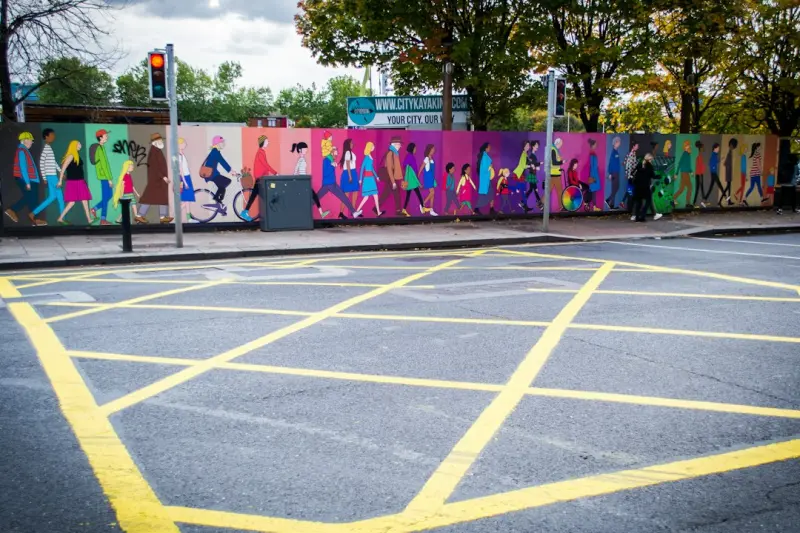
In many cities the classic town square has become a relic, replaced by traffic‑laden avenues that rarely host spontaneous gatherings. Yet the very width of a street, its sidewalks, and the rhythm of footfall hold a latent capacity to become a public forum where ideas clash, cultures mingle, and community bonds form. When a coffee cart rolls onto a curb, or a street musician claims a corner, the ordinary thoroughfare briefly sheds its utilitarian skin and dons a more democratic mantle. This transformation does not require grand urban redesigns; it thrives on the willingness of residents to treat the pavement as a shared living room, inviting dialogue, performance, and quiet observation in equal measure.
Everyday Rituals That Animate the Pavement
Sidewalk conversations have long been the glue of neighborhood life, from the elderly exchanging news over a park bench to teenagers sketching graffiti that tells a story. These micro‑interactions, often dismissed as “just passing chatter,” actually stitch together a collective narrative that defines a district’s character. When a block party spills onto the street, the temporary loss of parking spots is a small price for the surge of laughter, shared meals, and the spontaneous emergence of new friendships. Such rituals, whether a weekly farmer’s stand or a pop‑up poetry reading, turn the street into a living archive of community memory, reinforcing a sense of belonging that static architecture alone cannot achieve.
Design Interventions That Invite Participation
Physical enhancements can amplify the street’s role as a civic arena without sacrificing its accessibility. Removable paving tiles, modular seating, and pop‑up shade structures allow residents to reconfigure spaces on the fly, responding to weather, events, or simply the mood of the day. Street lighting that highlights art installations encourages evening strolls, while low‑traffic zones create safe pockets for children to play. Importantly, these interventions are low‑cost and reversible, giving municipalities the flexibility to experiment without committing to permanent alterations. By providing the right scaffolding, cities empower citizens to claim the pavement as their own, fostering a culture of stewardship and creative ownership.
Why the Street Shapes Civic Identity
Beyond commerce and transit, streets serve as the arteries of civic identity, carrying the pulse of collective aspirations and grievances. When a community rallies around a cause—be it environmental justice, local elections, or cultural heritage—the street becomes the stage for protest, celebration, and dialogue. Such visible expressions of public will reinforce the notion that governance is a shared responsibility, not a distant mandate. In this way, the street acts as a barometer of democratic health, reflecting both the triumphs and tensions that define a society’s trajectory. The more inclusive and accessible the pavement, the richer the tapestry of voices it can accommodate.
Intergenerational Encounters on the Corner
Modern urban life often isolates generations into separate spheres: retirees in quiet suburbs, millennials in high‑rise apartments, children in gated schools. The street, however, offers a neutral ground where ages intersect naturally. A grandparent teaching a child to ride a bike, a teenager mentoring an elder in smartphone use, or a multicultural food stall serving dishes that spark stories across age groups—all these moments knit together disparate life stages into a shared experience. Such interactions nurture empathy, preserve cultural memory, and lay the groundwork for a resilient community fabric that can adapt to future challenges.
Micro‑Economies That Flourish Along the Pavement
When streets become gathering spots, they simultaneously evolve into marketplaces for micro‑entrepreneurship. Street vendors, pop‑up galleries, and mobile repair services find fertile ground in the foot traffic generated by communal activities. These small‑scale economies inject vitality into neighborhoods, offering residents affordable goods and services while keeping money circulating locally. Moreover, the informal nature of these enterprises encourages experimentation, allowing creators to test ideas without the overhead of a permanent storefront. This dynamism not only boosts local resilience but also cultivates a culture of innovation that radiates beyond the curb.
Practical Steps for Communities to Reclaim Their Streets
The first step toward a vibrant street is grassroots organization: neighbors gather to articulate a shared vision, identify pain points, and prioritize low‑hanging fruit. Securing a temporary permit from the city for a “street day” can provide a legal framework for testing ideas such as pop‑up seating or a community art wall. Partnerships with local businesses amplify resources, while collaborations with schools introduce educational components that deepen engagement. Throughout this process, clear communication and inclusive decision‑making ensure that the street reflects the diverse voices it aims to serve.
Leveraging Technology Without Losing the Human Touch
Digital tools can enhance the street experience without eclipsing its tactile nature. Interactive kiosks that display upcoming events, QR codes linking to local history podcasts, or a community‑run social feed displayed on a modest screen can inform and inspire passersby. These modest technological layers complement, rather than replace, the spontaneous human interactions that define street life. For example, a simple app that maps pop‑up performances lets residents discover hidden gems, encouraging more foot traffic and fostering a sense of shared discovery. By blending analog and digital, communities can amplify reach while preserving the street’s organic charm.
Envisioning the Future: Streets as Living Laboratories
Imagine a city where every block feels like an invitation to pause, converse, and create—a place where the line between public and private blurs in service of collective well‑being. This vision hinges on a cultural shift that values the street not merely as a conduit for vehicles but as a stage for human connection. As more neighborhoods experiment with temporary installations, community‑led events, and inclusive design, a feedback loop emerges: successful tactics spread, inspire policy changes, and ultimately rewire the urban fabric toward greater openness. The journey begins with a single step onto the curb, and each step taken together writes a new chapter in the story of our shared spaces.

Jim Pearse, a seasoned freelance writer, brings a wealth of knowledge and passion to the world of home and garden. From the intricacies of landscaping to the nuances of interior design, Jim delves into every aspect of creating comfortable, beautiful, and functional living spaces.
Related Posts

Micro‑Communities: How Tiny Digital Tribes Are Redefining Modern Society
A deep dive into the rise of micro‑communities, revealing how these niche digital tribes are resha... Read More

The Future of Sustainable Living: A Holistic Approach to a Greener Tomorrow
Sustainable living is not just a trend, but a necessity. Learn how to adopt a holistic approach to s... Read More
Neighborhood Micro‑Collectives: The New Fabric of Urban Life
A deep dive into the rise of neighborhood micro‑collectives, revealing how small, purpose‑driven... Read More
Top Posts

Finding Freedom on the Trail: The Low‑Tech Navigation Revival
Discover the growing movement toward low‑tech navigation, how map and compass skills boost confidence, safety, and community, and learn practical steps to sta...Read More

The Alarming Rise of Eco-Friendly Scams: How to Protect Yourself
Eco-friendly scams are on the rise, preying on consumers who want to make a positive impact on the environment. Learn how to spot and avoid these scams....Read More

Creating Safe Play Zones: A Modern Parent’s Guide to Child‑Proofing Every Room
Discover a new mindset for child‑proofing: dynamic safety zones, smart tech, and practical drills that let kids explore while staying safe....Read More

Microclimate Innovation Redefines Outdoor Sports
A deep dive into the emerging forces—environmental engineering, smart wearables, community stadium revamps, and mental‑wellness pods—that are quietly tran...Read More
0 Comments
Post Comment
You will need to Login or Register to comment on this post!