

Why Traditional Lectures Are Losing Their Edge
For decades, the lecture has been the default delivery method in classrooms, but its efficacy is increasingly questioned by educators and learners alike. Research shows that passive listening retains only a fraction of information, while engagement spikes when students actively process material. Active learning strategies—such as problem‑solving, discussion, and real‑time feedback—have demonstrated higher retention rates, prompting schools to rethink the one‑size‑fits‑all lecture model. Moreover, the digital expectations of today’s students demand interaction, relevance, and immediacy, qualities that a monologue rarely provides. By acknowledging these shifts, administrators can begin to replace stale formats with dynamic experiences that mirror the complexity of the modern world.
Project‑Based Learning: A Blueprint for Real‑World Skills
Project‑Based Learning (PBL) places authentic challenges at the heart of instruction, compelling learners to apply concepts across disciplines. Rather than memorizing isolated facts, students tackle problems that require research, collaboration, iteration, and presentation—mirroring the workflow of contemporary workplaces. This approach cultivates critical thinking, communication, and resilience, while also granting educators a richer view of each learner’s process. When a class designs a sustainable garden, for instance, they intertwine biology, mathematics, and civic responsibility, producing tangible outcomes that can be measured, reflected upon, and celebrated. The shift from “what do you know?” to “what can you create?” reshapes assessment, motivation, and ultimately, the relevance of education in everyday life.
Hybrid Classrooms: Blending Physical and Virtual Spaces
The pandemic accelerated the adoption of online tools, but the most powerful learning environments now blend the best of both worlds. A hybrid classroom leverages in‑person interaction for hands‑on activities while using digital platforms for flexible content delivery, data analytics, and collaborative workspaces. Teachers can record demonstrations for asynchronous review, embed interactive quizzes that provide instant feedback, and create breakout rooms that simulate real‑world team dynamics. Importantly, this model accommodates diverse learner schedules and learning preferences, reducing barriers for students who thrive in quieter, self‑paced environments. By designing curricula that fluidly transition between brick‑and‑mortar and virtual realms, schools future‑proof their instruction against disruptions and expand access for a broader student population.
Student Agency: From Consumers to Creators
When learners are granted ownership over their educational journeys, motivation spikes and deeper learning follows. Student agency means allowing individuals to choose topics, set goals, and determine the methods they use to demonstrate mastery. This autonomy transforms students from passive consumers of information into active creators of knowledge. Schools can implement “learning contracts,” where students outline objectives, resources, and assessment criteria, fostering responsibility and self‑reflection. The resulting projects often showcase personal passions—whether building a community garden, coding a simple app, or curating a historical exhibit—making learning intrinsically meaningful. Empowered learners not only retain information longer but also develop a lifelong curiosity that extends far beyond the classroom walls.
Digital Literacy as a Core Competency
In an era where information flows at lightning speed, digital literacy is no longer optional; it is a fundamental skill set. Students must learn to evaluate sources, understand data privacy, and create responsible digital content. Embedding these competencies across subjects ensures that learners can navigate the online world safely and ethically. For example, a history lesson might include analyzing primary documents from digital archives, while a science unit could involve interpreting datasets using spreadsheet tools. By weaving digital fluency into every discipline, educators prepare students for careers that demand nuanced tech savviness and critical discernment. This holistic approach demystifies technology, turning it into a powerful ally rather than a mysterious obstacle.
Assessing Growth Without Standardized Tests
Standardized assessments often reduce learning to a single score, overlooking the nuanced progress students make throughout a term. Alternative assessment models—such as portfolios, peer reviews, and competency‑based rubrics—capture a richer picture of student development. Portfolios compile artifacts like drafts, prototypes, and reflections, allowing educators to trace evolution over time. Peer reviews foster collaborative critique, sharpening communication skills and deepening understanding. Competency‑based rubrics focus on mastery of specific skills rather than relative ranking, encouraging mastery at an individualized pace. By shifting evaluation toward authentic evidence of learning, schools can celebrate diverse strengths, reduce test anxiety, and align assessment with real‑world expectations.
Inclusive Design: Supporting Neurodiverse Learners
Every classroom benefits when design principles consider the full spectrum of neurodiversity. Features such as clear visual cues, adjustable pacing, and multimodal resources help students with ADHD, dyslexia, autism, and other learning profiles thrive. By integrating universal design for learning (UDL) strategies—like offering text, audio, and video options—educators create flexible pathways to success. For deeper insight, see the article Designing for Neurodiversity, which explores how inclusive digital experiences can be translated into physical classroom environments. When teachers proactively embed these accommodations, they reduce barriers, foster equity, and unlock the unique strengths each learner brings to the collective classroom mosaic.
Student‑Run Media: Podcasts, Blogs, and Beyond
One of the most exciting manifestations of student agency is the rise of student‑run media. When learners produce podcasts, blogs, or video series, they practice research, storytelling, technical production, and audience engagement—all vital 21st‑century skills. A class might launch a weekly podcast exploring local history, inviting community experts and integrating primary source analysis. This not only reinforces curriculum content but also builds confidence and a sense of ownership. For practical guidance, check out Kids and Teens: Turning Everyday Talk into Podcast Power, which offers step‑by‑step tips for turning casual conversation into compelling audio content. By turning classrooms into media labs, schools nurture creativity, critical thinking, and real‑world communication competence.
Future‑Proofing Education: Lifelong Learning Mindset
The ultimate goal of modern education is to cultivate lifelong learners who can adapt to ever‑changing professional landscapes. This mindset emphasizes curiosity, self‑directed study, and continuous skill updating long after formal schooling ends. Schools can model this by integrating “learning how to learn” modules—teaching students meta‑cognitive strategies, growth‑mindset principles, and reflective journaling practices. Partnerships with local businesses, online course providers, and community mentors further extend learning beyond school walls, offering real‑world contexts and mentorship. When learners internalize the belief that education is an ongoing journey, they become resilient innovators ready to tackle tomorrow’s challenges, ensuring that the classroom’s impact reverberates throughout their entire lives.

Lauren Miller is a true outdoors enthusiast who has found her passion in the trades. When she's not working hard on the job, you can find her writing, camping, fishing, and exploring all that nature has to offer. A dedicated partner to her wife Beth, Lauren loves nothing more than spending quality time together and experiencing the great outdoors side by side.
Related Posts

Rethinking Classroom Design: From Space to Experience
Discover a fresh take on classroom design that blends physical flexibility, hybrid technology, and s... Read More
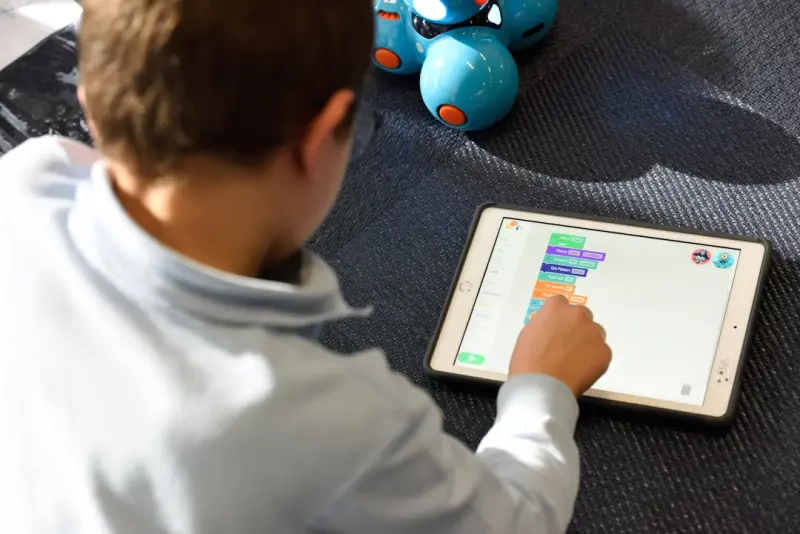
The Quiet Revolution: Adaptive Learning Platforms Redefine Corporate Upskilling
Adaptive learning platforms personalize corporate training by using real‑time diagnostics and micr... Read More
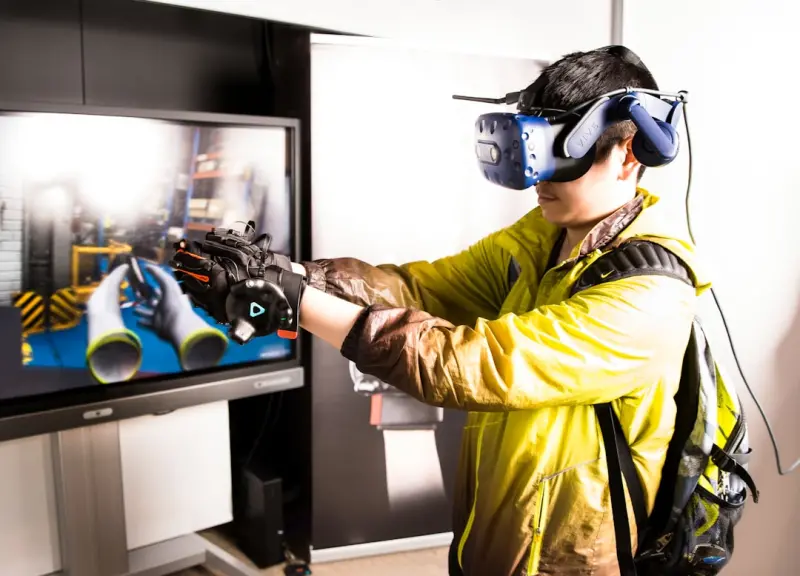
Beyond the Screen: How Immersive Spatial Learning Is Redefining Corporate Education
Discover why immersive spatial learning—using VR and AR—offers a new dimension for corporate edu... Read More
Top Posts

Why Modular Laptops Are the Next Big Disruption
Modular laptops let users upgrade components like CPU, GPU, and storage without replacing the whole device, offering sustainability, security, and performance f...Read More
When Walls Talk: Harnessing Ambient Tech for a Living Space That Listens
Discover how to blend invisible tech with timeless design, creating a home that intuitively adjusts lighting, sound, scent, and temperature to match your daily ...Read More

Digital Identity Hygiene: Guarding Your Online Footprint in an Age of Data Brokers
A comprehensive guide to digital identity hygiene, covering visibility management, credential fortification, safe browsing habits, and privacy‑first tools to ...Read More
The Art of Everyday Wins: How Small Team Celebrations Fuel Big Growth
Celebrating tiny victories can transform company culture, improve customer retention, and accelerate SaaS growth. Learn practical tactics for embedding daily ac...Read More
0 Comments
Post Comment
You will need to Login or Register to comment on this post!