
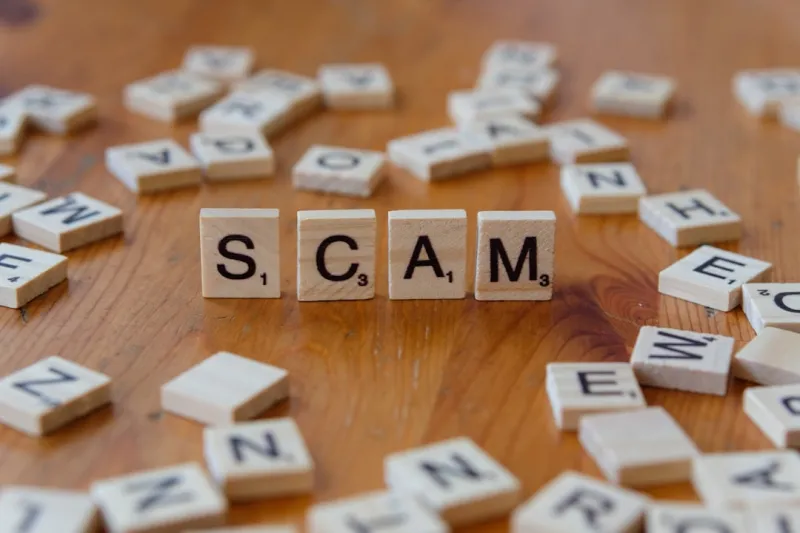
Why Scams Feel So Familiar in a Hyper‑Connected World
Every time I scroll through my inbox or glance at a push notification, there’s a new promise glittering on the screen—“Free vacation,” “Instant crypto gains,” or “Limited‑time health miracle.” These offers tap into our deepest hopes and anxieties, masquerading as a shortcut to the life we think we deserve, and they do so with a polish that would make a seasoned marketer blush. I’ve watched friends fall for slick email phishing, families lose savings to bogus investment schemes, and even seasoned professionals get duped by sophisticated deep‑fake calls, all because the fraudsters have learned to speak our language.
The Anatomy of Modern Scams: From Clickbait to Deepfake
Scammers today aren’t just sending generic spam; they’re crafting narratives that mirror the exact tone of trusted brands, using AI‑generated voices that sound uncannily human, and leveraging data breaches to personalize their attacks. When a fraudster knows the name of your pet or the brand of your favorite coffee, the scam feels less like a random lure and more like a friend offering a secret tip, which is why the emotional pull is so powerful. Understanding this psychological scaffolding is the first step toward building a defense that’s as nuanced as the threats themselves.
One of the most unsettling trends is the rise of green, smart security solutions that promise unbreakable protection but often become the very bait they claim to defend against. These “eco‑secure” platforms market themselves with sustainability buzzwords, yet their underlying code can contain hidden backdoors that give scammers a foothold in unsuspecting households. The paradox is that while we chase greener tech, we may inadvertently open doors for cyber‑criminals who exploit the very trust we place in sustainable branding.
Meanwhile, the explosion of deepfake technology has turned video calls into a new frontier for fraud. Imagine receiving a video from a “CEO” urging you to approve a large wire transfer—only the person on screen is a flawless synthetic replica. The realism is terrifying, and the damage can happen in seconds before anyone realizes the deception. As these tools become cheaper and more accessible, the line between genuine communication and malicious mimicry blurs, demanding a higher level of vigilance from every user.
Real‑World Stories: How Everyday People Get Caught
Last month, a local teacher received a text that appeared to come from the school district, requesting an urgent update to her payroll information. The message included a link that looked identical to the district’s portal, complete with the official logo and color scheme. Within minutes, her credentials were harvested, and the scammer siphoned off a portion of her salary before the IT department could intervene. This scenario underscores how even well‑meaning professionals can be ensnared by seemingly legitimate communications.
Another case involved a family who was convinced to invest in a “green energy startup” after watching a polished video featuring testimonials from satisfied investors. The startup’s website boasted impressive certifications and a sleek interface, but beneath the surface, the company was a shell created to launder money. By the time the victims realized the fraud, the perpetrators had vanished, leaving the family with both financial loss and a lingering distrust of sustainable initiatives. It’s a stark reminder that the allure of eco‑friendly ventures can be weaponized by the unscrupulous.
Even children are not immune. A recent report highlighted how a popular gaming app prompted young users to “earn” in‑game currency by completing surveys that turned out to be data‑harvesting traps. Parents, eager to protect their kids, often overlooked the subtle signs because the app’s design emphasized fun and safety. For more insight on safeguarding the younger generation, see Kids Safety in the Modern Age, which offers practical steps for blending technology with vigilant oversight.
Building a Resilient Defense: Practical Steps for Everyone
The first line of defense is simple yet powerful: verify before you click. Whenever a message urges immediate action, pause, cross‑check the sender’s email address, and, if possible, contact the organization directly using a known phone number or website. This habit alone can thwart a significant portion of phishing attempts that rely on urgency and panic.
Second, diversify your security tools. Relying solely on a single antivirus or password manager creates a single point of failure. Combine multi‑factor authentication, a reputable password manager, and a reputable VPN to create overlapping layers of protection. Each layer compensates for the weaknesses of the others, making it exponentially harder for scammers to breach your defenses.
Finally, stay educated and share knowledge. Scams evolve faster than most of us can keep up, but community awareness slows their spread. Host a monthly “scam‑watch” session with friends or family, review recent fraud trends, and discuss real‑world examples. By turning vigilance into a shared habit, you turn the collective from a target into a deterrent, reducing the success rate of even the most sophisticated con artists.

Miranda Murphy: Experienced freelance writer with a decade of storytelling expertise. Let's create something amazing together!
Related Posts
The Alarming Rise of Scams in the Digital Age
Scams are on the rise in the digital age. Learn how to protect yourself from phishing emails, identi... Read More
Scam Alert: How Green Frauds Are Hijacking the Sustainability Movement
Scammers are cashing in on eco‑concern with fake green investments, phishing emails, and counterfe... Read More
The Alarming Rise of Scams in the Digital Age
Scams are on the rise in the digital age. Learn how to protect yourself and your business from these... Read More
Top Posts

Why Sustainable Blogging Is the Next Big Wave for Creators
In this deep dive, I share my personal journey integrating sustainability into blogging, revealing the tools, tactics, and mindset shifts that can turn a regula...Read More
The Power of Eco-Cleaning: A Sustainable Approach to a Healthier Home
Learn how to make the switch to eco-cleaning and create a healthier, more sustainable home. Discover the benefits of eco-friendly cleaning products and practice...Read More

Kids Safety in the Modern Age: A Parent’s Guide to Smart, Sustainable Protection
A fresh, parent‑focused guide that blends digital safety, physical protection, and sustainable habits, empowering families to create a safer, greener world fo...Read More
Raising the Next Generation of Eco-Warriors: Why Sustainable Living Matters for Kids and Teens
Teaching kids and teens about sustainable living is crucial for a healthier future. Learn how to model eco-friendly behaviors, make sustainability fun, and leve...Read More
0 Comments
Post Comment
You will need to Login or Register to comment on this post!