

Why Semantic SEO Is the Secret Weapon Your Site Needs
When most marketers think about SEO, the first things that come to mind are keyword research, backlink building, and on‑page tweaks. Those tactics are still important, but they’re increasingly being treated like a baseline rather than a growth engine. What’s shifting the needle today isn’t a new ranking factor; it’s a new way of thinking about relevance itself. Enter semantic SEO—the practice of speaking Google’s language of entities, relationships, and intent.
In plain English, semantic SEO is about helping search engines understand what your content is about, why it matters, and how it connects to the broader web of knowledge. When you nail that, you unlock three powerful outcomes:
- Rich results that capture attention – think FAQ boxes, product carousels, and “People also ask” snippets.
- Higher resilience to algorithm changes – you’re no longer at the mercy of a single keyword.
- Better alignment with voice and conversational search – the very format that’s redefining how users find answers.
Let’s break down the mechanics, the tools, and the step‑by‑step process you can start using this week.
The Evolution From Keywords to Entities
Back in the early days of search, Google was essentially a massive keyword index. It matched the exact string you typed to the words it found on a page. Over time, Google introduced Latent Semantic Indexing (LSI), then BERT, and now the Transformer‑based language models that power conversational AI. The common thread? A relentless push toward meaning over mere matching.
Think of the difference between a librarian who files books solely by the words on the cover versus one who groups them by subject, author, and even the historical context of each work. Semantic SEO gives Google a librarian’s toolkit: structured data, knowledge graphs, and entity signals. When you feed those signals, you’re essentially handing Google a well‑organized dossier about your content.
Structured Data: Your Blueprint for Search Engines
The most tangible way to communicate semantics is through Schema.org markup. This is a set of standardized vocabularies that tell Google:
- What type of content this is (article, product, FAQ, event, etc.).
- Key attributes (price, rating, author, publication date).
- Relationships to other entities (brand, organization, location).
Implementing structured data is no longer optional if you want to appear in rich results. Here’s a quick sanity check:
- Identify the primary entity – Is it a
Product, aBlogPosting, or anFAQPage? - Map the required properties – Follow the schema documentation; missing required fields will cause Google to ignore the markup.
- Validate with Google’s Rich Results Test – Fix any warnings before you go live.
Once validated, you’ll often see a “Eligible for rich results” badge in Search Console, which is a clear indicator that you’re speaking the language Google expects.
Entity Mapping: Building Your Own Mini Knowledge Graph
Beyond markup, you can reinforce entities through strategic content architecture. The goal is to create clusters of pages that revolve around a central theme—what SEO pros call a “topic cluster.” Each cluster should contain:
- A pillar page that provides a comprehensive overview of the main entity.
- Multiple supporting articles that dive into sub‑topics, each linked back to the pillar.
This internal linking pattern mimics how a knowledge graph connects related concepts. It also signals to Google that you have depth and breadth on the subject, which can translate into higher authority scores for the entire cluster.
If you’re unsure how to start, consider repurposing existing content into a pillar model. For example, a “Guide to Structured Data” pillar could link out to separate posts on “FAQ schema,” “Product schema for e‑commerce,” and “Event schema for webinars.” Each supporting piece can reference the pillar, creating a two‑way flow of authority.
Voice Search & Conversational Queries: The New Frontier
According to recent industry surveys, a growing slice of queries now starts with “who,” “what,” “how,” or “why”—the hallmarks of conversational intent. Voice assistants and AI chatbots are amplifying this trend. Semantic SEO prepares you for that future by:
- Optimizing for question‑based headlines (“How does structured data affect SEO?”).
- Embedding concise, answer‑focused snippets that can be lifted directly into voice responses.
- Leveraging
FAQPageschema, which explicitly tells Google the question/answer pairs you want featured.
When done right, your content can become the default spoken answer, driving brand awareness even when users aren’t looking at a screen.
Measuring Success: From Impressions to Entity Authority
Traditional SEO metrics—organic traffic, keyword rankings, and backlinks—remain useful, but they don’t capture the full impact of semantic optimization. Here are three additional signals to watch:
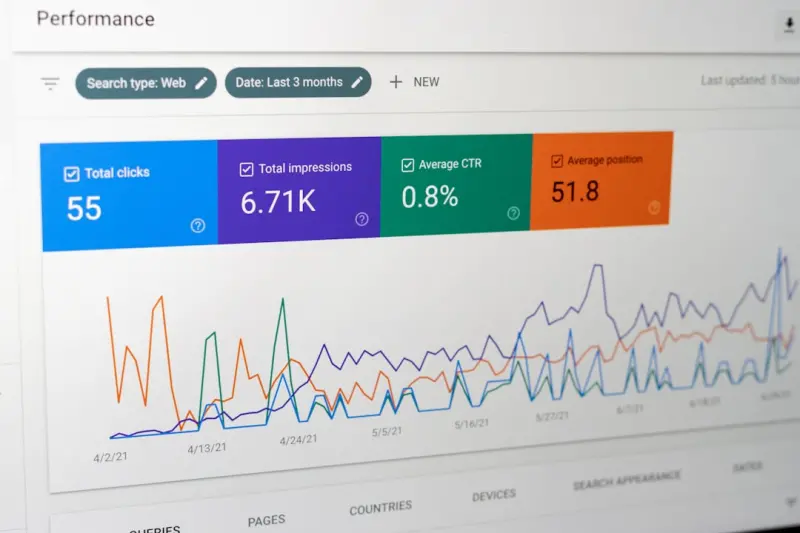
- Rich result impressions in Google Search Console. A spike here often precedes a traffic lift.
- Entity popularity measured via Google’s Knowledge Panel appearances or the “entity mentions” report in third‑party SEO tools.
- Voice query lift tracked through platforms that surface voice‑specific analytics (e.g., AnswerThePublic or specialized voice SEO dashboards).
Combine these with classic KPI dashboards, and you’ll have a holistic view of how semantic signals are moving the needle.
Practical Checklist for a Semantic SEO Overhaul
Below is a ready‑to‑use checklist you can copy into your project management tool:
- Audit existing markup using the Rich Results Test; document gaps.
- Define core entities for each major product or service line.
- Implement schema markup on all relevant pages (articles, products, FAQs).
- Build topic clusters around each core entity; update internal linking.
- Craft conversational headlines that mirror natural language questions.
- Validate with Search Console and set up alerts for rich result errors.
- Monitor new metrics (rich result impressions, entity mentions, voice query lift).
- Iterate – treat your SEO strategy as an experiment, just like Turning Your Blog into a Living Lab suggests. Tweak markup, test new clusters, and measure the impact.
Case Study: From Flat Content to Entity‑Driven Authority
Consider a mid‑size SaaS company that offered a suite of project‑management tools. Their blog was a collection of “how‑to” posts with little internal cohesion. After a semantic SEO audit, they:
- Created a Project Management Fundamentals pillar page.
- Implemented
FAQPageschema for the top 15 most‑asked questions. - Added
Productschema to every feature page, including price and review ratings. - Re‑structured internal links to flow from each feature article back to the pillar.
Within three months, the brand saw:
- +42% increase in organic impressions from rich results.
- +18% rise in voice‑assistant queries that landed on their FAQ content.
- A measurable lift in domain authority for the “project management” entity in third‑party tools.
The key takeaway? Semantic signals can act as a catalyst, turning a scattered content library into a cohesive knowledge hub.
Common Pitfalls and How to Avoid Them
While the benefits are compelling, many teams stumble early on. Here are the most frequent mistakes and quick fixes:
- Over‑markup: Adding every possible schema type to a page confuses Google. Stick to the most relevant type and required properties.
- Duplicate content across clusters: Repeating the same paragraph in multiple supporting articles dilutes authority. Use canonical tags or rewrite for unique value.
- Neglecting mobile‑first design: Structured data won’t help if the page fails Core Web Vitals. Align semantic upgrades with performance improvements.
- Ignoring user intent: Semantic SEO is not a magic trick; it must still satisfy the searcher’s question. Conduct intent research before drafting new content.
Future‑Proofing with AI‑Assisted Entity Discovery
Artificial intelligence is making it easier than ever to surface hidden entities in your existing content. Tools like entity extraction APIs can scan your blog and surface terms that Google might already be associating with you. By feeding those insights back into your schema strategy, you can continuously refine your semantic map.
In practice, you might run a quarterly audit where an AI model flags “newly emerging entities” (e.g., a trending industry term) and then you create a quick supporting article with proper markup. This keeps your site fresh, relevant, and aligned with the evolving language of your market.
Bringing It All Together: A Tactical Roadmap
To close the loop, here’s a high‑level timeline you can adopt:
| Week | Focus | Outcome |
|---|---|---|
| 1‑2 | Audit current markup & entity gaps | Inventory of missing schema |
| 3‑4 | Define pillar pages & supporting clusters | Content blueprint |
| 5‑6 | Implement schema on pillars first | Rich result eligibility |
| 7‑8 | Roll out schema to supporting articles | Entity reinforcement |
| 9‑10 | Launch voice‑optimized FAQs | Voice query capture |
| 11‑12 | Monitor, iterate, and document learnings | Data‑driven refinements |
Remember, SEO is a marathon, not a sprint. Treat each phase as an experiment—track results, double‑down on winners, and discard what doesn’t move the needle. In the words of Broadcast to Conversation, the real power lies in turning static signals into dynamic conversations with both users and search engines.
Final Thought: Semantic SEO Is Your Competitive Moat
When the SERP landscape shifts from keyword‑centric to meaning‑centric, the brands that have already built robust entity signals will sail ahead. By embracing structured data, crafting thoughtful topic clusters, and aligning with voice‑first intent, you’re not just optimizing for today—you’re building a moat that protects you against tomorrow’s algorithmic waves.
Start small, stay consistent, and let the data speak for itself. The search engine is listening; make sure it hears the right story.

Ryan Stuart is a seasoned freelance features writer, editor, and professional photographer with a passion for exploring the world and capturing its beauty through words and images.
Related Posts
Semantic Search Optimization: Boost Rankings with Entity Power
Learn to dominate semantic search by mastering entities, schema markup, and topic clusters. This gui... Read More

Beyond Keywords: Building an Experimentation‑Driven SEO Engine for the AI Era
SEO today demands a shift from static checklists to an experimentation mindset. This post shows how ... Read More

SEO for the Conscious Creator: Balancing Rankings and Responsibility
Explore the synergy of ethical SEO and sustainability, learning actionable tactics to elevate rankin... Read More
Top Posts

Why Media Agencies Must Become Data Stewards, Not Just Buyers
Media agencies are shifting from data buyers to data stewards, adopting consent‑first architectures, unified audience graphs, and new KPIs that prioritize pri...Read More

Insurance as a Service: Unlocking Micro‑Coverage for the Gig Economy
Traditional insurance struggles to serve gig workers. This post reveals how API‑first platforms, micro‑coverage, edge AI, and zero‑trust security combine ...Read More

Edge Computing and Distributed AI: The Next Tech Frontier
Discover the rise of edge computing and distributed AI, how they reduce latency, enhance security, and enable real‑time innovation across industries....Read More

Eco‑Friendly Pet Parenting: How to Shrink Your Pawprint
Learn how to make eco‑friendly choices for your pets, from sustainable toys and food to green grooming and waste reduction, and join a community of pet parent...Read More
0 Comments
Post Comment
You will need to Login or Register to comment on this post!