

Why My Kitchen Became a Lab for Smarter Appliances
When I first moved into my downtown loft, the cramped countertop and the humming fridge were the only clues that my culinary ambitions would have to compete with square‑foot limitations; I quickly realized that every appliance I chose would either amplify my lifestyle or become a silent drain on my wallet and the planet. I started treating my kitchen like a sandbox for experimentation, swapping out the aging toaster for a sleek, Wi‑Fi‑enabled model that learns my toast preferences, and installing a compact induction cooktop that fits neatly between a bookshelf and the sink. The experience taught me that the right appliance can feel like an invisible assistant, freeing mental bandwidth for creative cooking rather than constant fiddling with knobs. Smart, space‑savvy appliances have turned my modest kitchen into a hub of efficiency, and I’m eager to share the insights I gathered along the way.
The Hidden Cost of Conventional Appliances
Most households still rely on bulky, single‑function devices that guzzle electricity during peak hours, often without any feedback mechanism to alert owners of wasteful habits; the result is a subtle but relentless climb in utility bills and carbon footprints that many never notice. Older refrigerators, for instance, may operate on legacy compressors that cycle on and off more frequently, generating temperature fluctuations that force the motor to work harder and increase wear. Likewise, conventional ovens lack precise temperature controls, leading to over‑cooking and the need for extra energy to correct mistakes. By examining my own energy usage patterns, I discovered that even a modest 10‑percent reduction in standby power across my appliance suite could translate into hundreds of dollars saved annually, a figure that grows exponentially when multiplied across entire neighborhoods. Recognizing these hidden costs is the first step toward making smarter purchasing decisions.
Modular Design: The Answer for Small‑Space Living
Enter modular appliances, a growing movement that reimagines the kitchen as a set of interchangeable building blocks rather than a collection of isolated machines; these units snap together, stack, or slide into custom configurations, allowing renters and homeowners alike to tailor their setups to ever‑changing spatial constraints. A modular refrigeration system might consist of a compact core freezer paired with an expandable chilled drawer, while a multi‑zone cooking station can combine a grill, steamer, and sous‑vide module in a single footprint. The flexibility extends beyond size, offering the ability to upgrade individual components without discarding the entire unit, which aligns perfectly with a sustainability mindset. I experimented with a stackable dishwasher‑dryer combo that slides under my counter when not in use, freeing up precious floor space for a pop‑up workbench during weekend projects. The result was a kitchen that feels both spacious and purposeful, proving that modular design isn’t just a trend—it’s a practical solution for modern living.
Connecting Appliances to the Internet—Without Giving Up Privacy
Smart integration has become a buzzword, but the real challenge lies in balancing convenience with data security; I was skeptical at first, fearing that a connected fridge could become an unwanted listening device, yet I discovered that many manufacturers now offer local‑only processing, meaning commands are executed within the appliance rather than being sent to distant servers. By pairing my appliances with a dedicated home hub, I can control lighting, temperature, and even inventory levels through encrypted local networks, avoiding the cloud‑centric pitfalls that dominate other smart‑home ecosystems. For a deeper dive into leveraging personal devices securely, see my recent exploration of unlocking the hidden power of your smartphone, which outlines practical steps for safeguarding data while still enjoying advanced features. When I set my oven to preheat remotely, the device confirms the action via a secure push notification, giving me confidence that my kitchen is both intelligent and respectful of my privacy.
Choosing Materials That Close the Loop
Beyond energy efficiency, the physical composition of appliances plays a crucial role in the circular economy; manufacturers that prioritize recycled steel, bio‑based polymers, and easily detachable components make it far simpler to refurbish or recycle at the end of a product’s life. I opted for a dishwasher built from 70 percent recycled aluminum, which not only reduced the embodied carbon of the unit but also gave it a sleek, industrial aesthetic that matches my loft’s vibe. Moreover, devices designed with modular panels allow technicians to replace a faulty motor or pump without discarding the entire shell, extending the appliance’s usable lifespan. When I contacted the brand’s service center to swap out a worn‑out washing‑machine drum, they sent a single component, and I was able to install it myself in under an hour. This approach transforms what used to be a “replace‑and‑trash” mindset into a sustainable, cost‑effective practice that benefits both the consumer and the environment.
Practical Checklist: Selecting the Right Appliance for You
To simplify the decision‑making process, I assembled a quick reference guide that weighs the most impactful factors—energy rating, footprint, connectivity options, and repairability—against personal priorities; think of it as a mini‑audit you can run while browsing online catalogs.
- Energy rating: Look for ENERGY STAR or equivalent certifications, and verify real‑world usage through consumer reviews.
- Footprint: Measure your available space and compare it to the appliance’s dimensions, remembering that modular units often offer expandable options.
- Connectivity: Choose devices that support local processing or open‑source firmware to retain control over data.
- Repairability: Check if spare parts are sold separately and whether the manufacturer provides clear service manuals.
I also cross‑referenced my criteria with insights from future‑proofing your tech strategy, applying the same forward‑thinking mindset to home appliances. By scoring each product against this checklist, I was able to narrow down my choices quickly and avoid the common trap of being swayed by flashy marketing alone.
Extending Lifespan Through Proactive Maintenance
Even the most advanced appliance will falter without regular attention, so I instituted a simple maintenance rhythm that includes monthly filter cleaning, quarterly seal inspections, and an annual deep‑clean of heating elements; these small habits prevent performance degradation and catch early signs of wear before a costly breakdown occurs. When my induction cooktop began displaying a faint error code, I consulted the user manual and discovered that a stray metal fragment had lodged under the surface; a quick cleaning restored full functionality, saving me a service call. Embracing a repair‑first mentality also means building relationships with local technicians who specialize in modular parts, ensuring that a single faulty module doesn’t doom the entire appliance. This proactive approach aligns with the broader goal of reducing waste and reinforces the notion that smart appliances should be built to last, not to be replaced every few years.
Where Appliances Are Headed—and How You Can Lead the Change
The next wave of appliance innovation will likely blend AI‑driven predictive maintenance with truly biodegradable components, creating devices that anticipate failures before they happen and then safely dissolve at the end of their life cycle; imagine a refrigerator that alerts you weeks in advance that its compressor is losing efficiency, and then offers a trade‑in program for a fully recyclable replacement. As consumers, we have the power to accelerate this evolution by demanding transparency, supporting brands with robust repair ecosystems, and sharing our own experiences in online communities. I plan to continue testing emerging products, documenting performance, and publishing honest reviews that empower fellow homeowners to make informed choices. If we collectively prioritize sustainability, modularity, and privacy, the appliances of tomorrow will not only serve our daily needs but also contribute to a healthier planet.

Tyler Johnson is a seasoned freelance writer with a keen eye for detail and a passion for crafting compelling narratives. His years of experience have honed his ability to adapt his style to suit diverse client needs and project requirements.
Related Posts

The Evolution of Eco-Friendly Appliances: A Greener Future for Your Home
Explore the world of eco-friendly appliances and learn how they're changing the way we live. From sm... Read More

When Your Appliances Start Anticipating Your Needs
Smart appliances are evolving from reactive tools to proactive partners that anticipate inventory, o... Read More
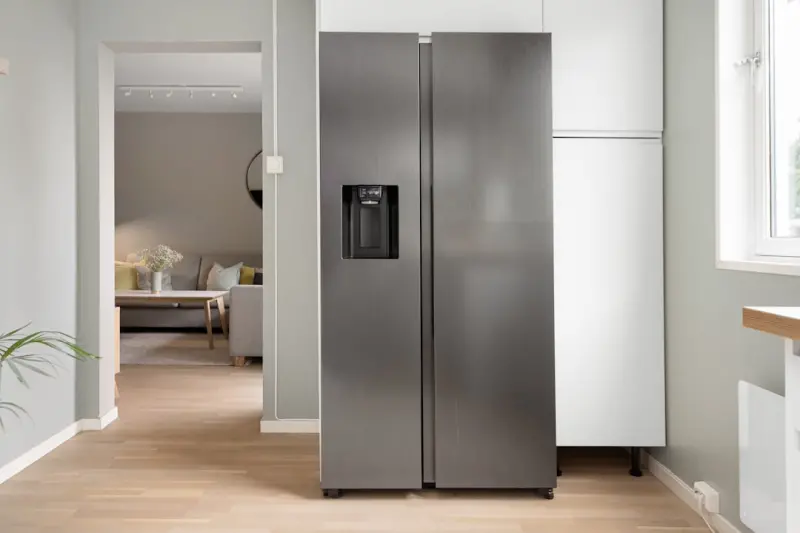
When Your Refrigerator Starts Talking: The Unexpected Benefits of Connected Appliances
A deep dive into the rise of smart refrigerators and other connected appliances, highlighting realâ€... Read More
Top Posts

Smartphone Strategy: Turning Your Next Upgrade into a Business Advantage
A deep dive into why the next smartphone upgrade should be viewed as a strategic asset—covering battery management, security, data telemetry, sustainability, ...Read More

The Family Tech Contract: Turning Screen Time into Shared Time
A practical guide to building a Family Tech Contract that turns device use into collaborative, intentional time, fostering healthier habits and stronger family ...Read More

The Rise of Ephemeral Storytelling: Turning 24‑Hour Posts into B2B Lead Magnets
Ephemeral storytelling—think Instagram Stories, LinkedIn Fleets, and Reels—offers B2B marketers a powerful, authentic way to capture attention, nurture lead...Read More

Reimagining Media Agencies: A Sustainable Blueprint for the Future
Explore how media agencies can embed sustainability into planning, creative, and measurement, turning eco‑centric campaigns into profitable, trust‑building ...Read More
0 Comments
Post Comment
You will need to Login or Register to comment on this post!