
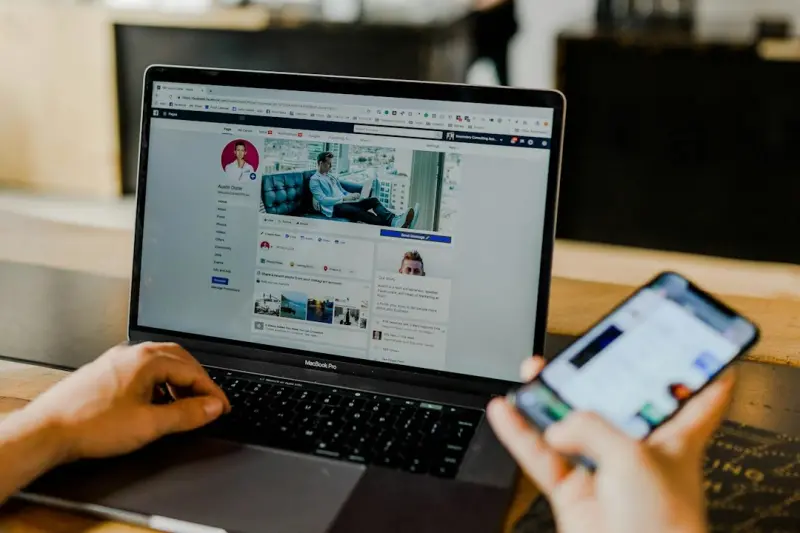
Why Social Audio Is the Freshest Way to Talk to Your Audience
When I first heard the term “social audio,” I thought it was another gimmick that would fade faster than a TikTok trend. Turns out, it’s a genuine shift in how people choose to converse, learn, and buy. In the same way that live video forced brands to rethink the static feed, audio is forcing marketers to rethink the static script. The difference? Audio is intimate, low‑friction, and—most importantly—unfiltered.
From Niche Rooms to Global Stages
Remember the days when podcasts were the only place you could host a long‑form conversation? Those were the early days of on‑demand audio, and they still matter. But the explosion of live audio platforms—Clubhouse, Twitter Spaces, LinkedIn Audio Events, and Spotify Greenroom—has turned the dial from “listen when you’re ready” to “join when you’re ready.” The barrier to entry is now a tap, not a download, and the audience expectation has moved from polished production to genuine dialogue.
What makes this transition exciting is the ability to scale. A single room can start with a handful of industry peers and, with the right promotion, explode into a global conversation within hours. Brands that treat these rooms like webinars miss the point; the magic lives in the spontaneous, real‑time exchange of ideas.
Why Brands Should Care
Social audio offers three strategic advantages that no other channel can match:
- Authenticity at Scale. Listeners can’t see you, so they focus on tone, pacing, and the story you tell. That creates a trust gap that’s narrower than the one you get on a text‑heavy feed.
- Low Production Overhead. You don’t need a film crew or a fancy studio. A decent microphone and a quiet room are enough to start a conversation that feels professional.
- Real‑Time Market Insight. When you’re live, you hear objections, questions, and aha moments as they happen. That data is gold for product teams, copywriters, and customer‑success managers.
Getting Started: The First 5 Minutes
My rule of thumb for any new social channel is the “first 5‑minute rule.” If you can’t capture attention in the first five minutes, the audience will leave and you’ll lose that precious “live” advantage. Here’s a quick checklist:
- Set a crystal‑clear topic. “The future of AI‑driven customer service” is better than “Tech Talk.”
- Invite a co‑host with a complementary voice. Contrast creates dynamics, just like a good podcast.
- Promote 24‑hours in advance. Use LinkedIn posts, email newsletters, and even a quick generative video teaser to build curiosity.
- Prepare three audience‑interaction moments. Polls, Q&A, or a quick “raise your hand” shout‑out keep engagement high.
- Test your tech. A bad connection kills the vibe faster than a boring intro.
Measuring Success Beyond Listeners
It’s tempting to look at raw listener counts, but the real KPI for social audio is “engaged minutes.” This metric combines duration with interaction (comments, reactions, and shares). Track these three data points:
- Peak Concurrency. The highest number of simultaneous participants tells you how compelling your hook was.
- Interaction Rate. Total comments divided by total listeners gives a sense of how comfortable people feel speaking up.
- Post‑Event Action. How many attendees click through to a landing page, download a resource, or schedule a demo? That’s the conversion funnel you care about.
When you tie these numbers back to your CRM, you’ll start to see a direct correlation between audio engagement and pipeline velocity.
Content Ideas That Actually Work
While many brands start with “industry roundtables,” the most successful sessions are built around storytelling and problem‑solving. Here are five formats you can pilot:
- Live Case Studies. Walk through a recent client win, field questions in real time, and let listeners see the decision‑making process unfold.
- Ask‑Me‑Anything (AMA) with a C‑Level Exec. People love to hear directly from the person who signs the check. Keep it candid.
- Skill‑Swap Sessions. Invite a marketer to teach a short SEO trick while a designer shares a quick UI tip. Cross‑pollination fuels community.
- Product‑First “Beta” Rooms. Use the platform as a live focus group—let users test a feature while you observe and iterate on the spot.
- Industry News Digest. A 15‑minute rapid‑fire rundown of the week’s biggest headlines, followed by a brief discussion on implications.
Integrating Social Audio With Existing Strategies
Don’t treat audio as a silo. It works best when you weave it into your broader content ecosystem:
- Clip Highlights. After the live session, edit short audio snippets into Instagram reels, TikTok videos, or even embed them in blog posts.
- Repurpose as Podcast Episodes. The same recording can be uploaded to your podcast feed, expanding its lifespan.
- Cross‑Promote with private social communities. Invite your community members to exclusive audio rooms as a perk.
- Data Loop. Use the interaction metrics to inform email subject lines, ad copy, and future content topics.
Common Pitfalls and How to Dodge Them
Even with the lowest production cost, social audio can trip up brands if you ignore a few fundamentals:
- Over‑Scheduling. Unlike a video that can be binge‑watched, audio demands real‑time attention. Stick to a predictable cadence—once a week or bi‑weekly.
- Monologuing. If you dominate the conversation, you kill the community vibe. Aim for a 30/70 split: 30% host, 70% audience.
- Neglecting Follow‑Up. The conversation doesn’t end when the mic goes off. Send a recap email, share resources, and invite feedback.
- Ignoring Accessibility. Provide transcripts for those who can’t listen live. It also improves SEO.
- Under‑estimating Moderation. A single disruptive participant can derail a session. Have a co‑host ready to mute or remove troublemakers.
Future Trends: Where Social Audio Is Headed
We’re only scratching the surface. Here’s what I see on the horizon:
- AI‑Enhanced Summaries. Real‑time transcription combined with AI will automatically generate highlights and action items.
- Interactive Audio Ads. Imagine an ad that invites listeners to press a button and join a mini‑room for a product demo—no click‑through needed.
- Cross‑Platform Audio Mesh. Seamless hand‑off between Clubhouse, LinkedIn Audio, and emerging niche platforms will create a unified listening experience.
- Voice‑First Commerce. As smart speakers become more conversational, brands will be able to close sales directly inside an audio session.
Final Thoughts: Speak, Listen, Iterate
Social audio isn’t a fad; it’s a new layer of human connection that sits alongside text, image, and video. The brands that win will be the ones that treat it as a conversation, not a broadcast. Start small, stay authentic, measure the right metrics, and let the audience shape the next chapter. In the noisy world of social media, a voice that feels personal can cut through the clutter and turn listeners into lifelong advocates.

Brad Hays is a freelance writer known for his versatile skill set and ability to craft compelling content across a wide range of industries.
Related Posts
Beyond Likes: Building Community in the New Social Audio Era
Social audio is more than a fleeting trend; it’s a powerful, voice‑first way to create authentic... Read More
The Impact of Social Media on Sustainable Living
Social media is being used to promote sustainable living and inspire individuals to take action. Lea... Read More
Why Sustainable Storytelling Is the Hottest Trend on Social Media
Social media is going green—discover why authentic sustainability stories, tight‑knit eco‑comm... Read More
Top Posts

The Importance of Sustainable Living for Families with Babies and Toddlers
As a parent, you want the best for your child. Sustainable living is a great way to ensure a healthy and environmentally responsible lifestyle for your family. ...Read More

Tech with a Conscience: How Sustainable Innovation Is Redefining Our Digital World
Explore the rise of sustainable technology, from greener AI and web development to eco‑focused gaming, and learn practical steps to make your digital projects...Read More

Powering the Remote Workforce: How Micro‑Grids Are Redefining Office Energy
The post reveals how micro‑grids and Energy-as-a-Service are reshaping energy consumption for remote teams, offering resilience, cost savings, and a path to c...Read More

Eco‑Friendly Living from the Inside Out: My Journey to Sustainable Everyday
A personal guide to integrating green habits at home, online, and with family, turning small choices into big environmental impact....Read More
0 Comments
Post Comment
You will need to Login or Register to comment on this post!