
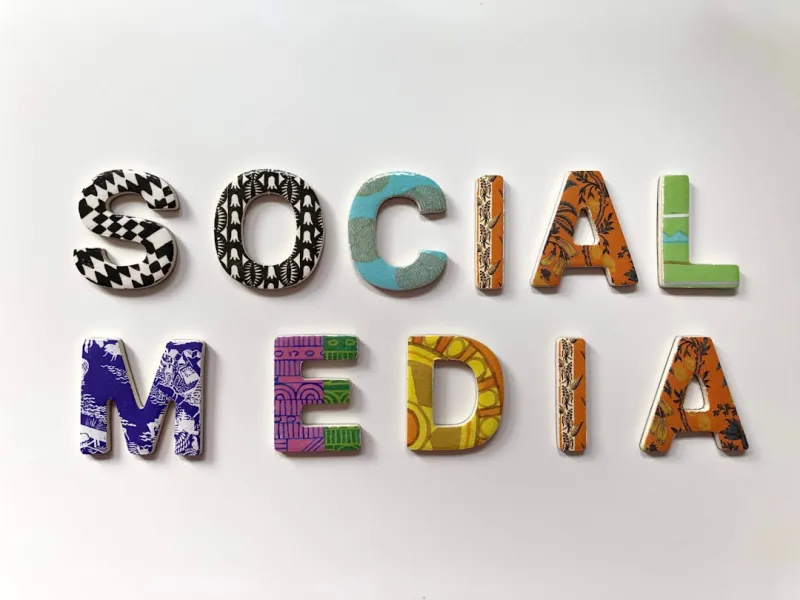
Why Social Media Must Go Green in 2026
When I first logged onto my favorite platforms a decade ago, the biggest conversation was about memes, not the planet. Today, the digital chatter has shifted dramatically; users are demanding that the very networks they spend hours on take responsibility for their carbon footprints. Data centers, video streaming, and endless scroll cycles consume staggering amounts of energy, and the climate crisis is no longer a distant headline but a lived reality for our followers. As a long‑time content creator, I’ve felt the pressure to align my personal brand with sustainability, because authenticity now equals survival in the social feed.
The Rise of Eco‑Friendly Influencers
Eco‑influencers have moved from niche corners of Instagram to the front page of TikTok’s trending tab, and they’re doing it with a purpose that resonates beyond likes. My own journey mirrors this evolution: I started sharing a simple zero‑waste tip, and within weeks the community response turned into a movement of shared challenges, product swaps, and collaborative livestreams. What’s powerful is the way these creators blend storytelling with actionable advice, turning abstract climate concepts into bite‑size, shareable moments that feel personal. The result? Brands are scrambling to partner with voices that can credibly talk about renewable energy, plant‑based fashion, and circular economies, because their audiences won’t settle for greenwashing.
Algorithmic Shifts Toward Sustainable Content
Behind every scroll lies a complex algorithm, and in 2026 those systems are being fine‑tuned to prioritize content that promotes sustainable behaviors. Platforms are experimenting with “green scores” that assess a post’s environmental relevance, rewarding creators who embed carbon‑reduction tips or highlight renewable tech. I’ve noticed a subtle but measurable lift in reach when I tag a video with #EcoHack and reference verified data sources. This shift isn’t just a vanity metric; it’s a strategic move to keep users engaged longer while nudging them toward greener choices. As the tech evolves, we’ll likely see more AI‑driven curation that filters out misinformation and amplifies credible sustainability narratives.
Brands Getting Real: Authentic Green Messaging
Gone are the days when a splash of green in a logo was enough to win consumer trust. Companies now have to back up their promises with transparent supply‑chain data, carbon‑offset reports, and real‑time impact dashboards. I’ve partnered with a few forward‑thinking brands that let me showcase their lifecycle assessments in my stories, turning a simple product showcase into an educational piece about circular design. The audience can see the numbers, ask questions in the comments, and even vote on which sustainability initiatives the brand should prioritize next. This two‑way dialogue is reshaping advertising, making it less about polished slogans and more about measurable outcomes that fans can rally behind.
Tools and Plugins Powering Sustainable Social Strategies
To keep up with the pace of change, creators need reliable tools that help them embed sustainability without sacrificing workflow efficiency. One resource I rely on is the Sustainable Plugins guide, which outlines lightweight, carbon‑aware plugins that reduce server load and improve page speed—both critical for SEO and environmental impact. Additionally, social‑media schedulers now offer built‑in analytics that flag high‑energy posts, suggesting alternatives like carousel images instead of auto‑playing videos. By integrating these tools, I can maintain a vibrant feed while minimizing the digital carbon cost, turning good intentions into quantifiable actions.
Guarding Against Greenwashing Scams
The surge in eco‑focused marketing has also opened the door for fraudsters looking to profit from good intentions. I’ve seen a spike in “green” affiliate links that promise carbon‑negative products but deliver nothing more than generic merchandise. The Scam Alert 2026 report warns creators to verify certifications, demand supply‑chain transparency, and avoid vague buzzwords like “eco‑friendly” without proof. By vetting partners rigorously and sharing that due‑diligence process with my audience, I not only protect my reputation but also empower followers to become smarter shoppers. In a landscape where trust is currency, a vigilant approach to green claims is essential.
Community Building with Purpose‑Driven Hashtags
Hashtags remain the lingua franca of social discovery, and in 2026 they’ve become more purposeful than ever. Campaigns like #ZeroWasteJuly or #RenewableReels rally millions around concrete actions, turning passive scrolling into active participation. I’ve launched a weekly “Sustainable Spotlight” series where I feature a community member’s innovative upcycling project, tagging it with a dedicated hashtag that aggregates all entries in a searchable feed. This not only amplifies individual voices but also creates a living repository of ideas that new followers can tap into instantly. The network effect is powerful: each post fuels the next, building a self‑sustaining ecosystem of green inspiration.
Future‑Proofing Your Social Presence
Looking ahead, the smartest creators will treat their social media strategy as a living, adaptable system that can weather algorithm updates, platform migrations, and shifting consumer values. The Future‑Proof Your Blog guide provides a roadmap that applies just as well to a TikTok channel or a LinkedIn newsletter—focus on evergreen content, diversify platform presence, and embed sustainability into the core brand narrative. By investing in cross‑platform storytelling and maintaining a clear, data‑driven approach to green metrics, we can ensure that our digital voices remain relevant, resilient, and responsibly influential for years to come.

Dale Peterson is a freelance writer with a passion for technology, travel, law and personal finance. With 10 years of experience crafting compelling and informative content, he's dedicated to delivering high-quality writing for Blogging Fusion that engages audiences and achieves specific goals.
Related Posts
The Impact of Social Media on Sustainable Living: A Comprehensive Guide
Learn how social media influences our approach to sustainability and get tips on leveraging these pl... Read More

Social Media in 2024: How Sustainable Storytelling, AI, and Voice Are Redefining Engagement
Explore the 2024 social media shift where sustainable storytelling, AI insights, and voice-driven co... Read More
The Impact of Social Media on Sustainable Living
Social media is being used to promote sustainable living and inspire individuals to take action. Lea... Read More
Top Posts

The Future of SEO: How Technology is Revolutionizing Search Engine Optimization
The world of SEO is rapidly evolving, and technology is playing a significant role in shaping its future. Learn about the impact of AI, voice search, and more o...Read More

Why Sustainable Blogging Is the Next Big Wave for Creators
In this deep dive, I share my personal journey integrating sustainability into blogging, revealing the tools, tactics, and mindset shifts that can turn a regula...Read More
The Future of AI: How Sustainable Practices are Revolutionizing the Industry
The AI industry is rapidly evolving, but at what cost to the environment? Learn how sustainable practices are changing the game and creating a more eco-friendly...Read More

Tech Meets Sustainability: Trends Shaping 2024
Mei Chen reveals how emerging tech—from AI‑driven energy grids to sustainable gaming—are reshaping our digital world, offering actionable steps for a gree...Read More
0 Comments
Post Comment
You will need to Login or Register to comment on this post!