
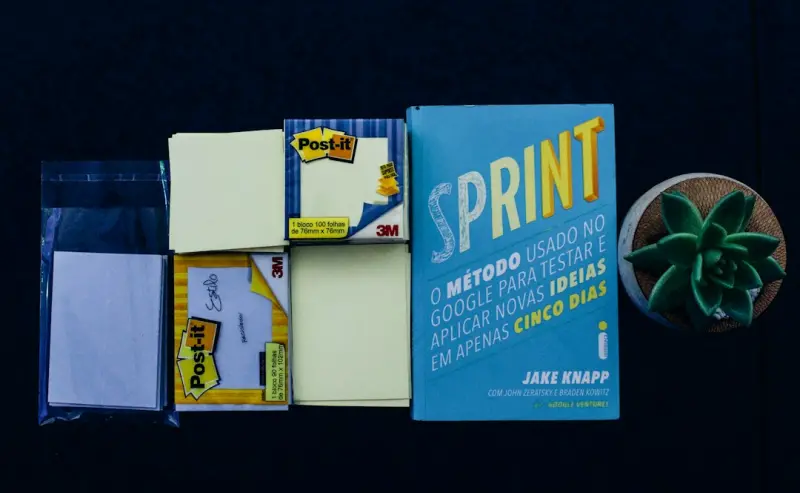
When I first started leading product teams, I learned to love the rhythm of a sprint: a short, focused burst of activity followed by a clean, purposeful review. It felt almost therapeutic—like a sprint could be a mental reset button. Over time, I realized that the same framework that drives software delivery could be repurposed to train our minds. This isn’t about adding another productivity hack; it’s about reshaping how we think about mental health as a series of intentional, repeatable cycles.
Why Mental Health Needs a Sprint Mindset
Traditional mental‑health advice often swings between two extremes: long‑term therapy on one side and quick‑fix self‑help tips on the other. Both have value, but they rarely speak the language of people who live inside fast‑moving work environments. Those environments thrive on iterations, feedback loops, and clear goals. If we can map those same principles onto our inner lives, we create a bridge between what our brains need and what our calendars demand.
Think of a sprint as a mental micro‑project. It’s a bounded period—usually one to two weeks—where you set a specific emotional or cognitive goal, experiment with a new habit or mindset, and then assess the results. The beauty lies in its simplicity: you’re not trying to overhaul your entire psyche in a single go; you’re nudging it forward, one deliberate step at a time.
Designing Your Mental Sprint
Just as a product sprint starts with a backlog, your mental sprint begins with a mental backlog. This is a list of small, measurable items you want to improve. Below are common categories you might include:
- Emotional Regulation: “Practice a 5‑minute grounding exercise before every meeting.”
- Focus & Attention: “Use the Pomodoro method for deep work, but add a 2‑minute breath check at the end of each interval.”
- Social Connection: “Schedule a 10‑minute coffee chat with a colleague I haven’t spoken to in a month.”
- Self‑Compassion: “Write one sentence of kindness to myself each night.”
Once you have a shortlist (ideally 3‑5 items), prioritize them based on impact and feasibility. This is your sprint goal. Remember, the goal should be specific, measurable, attainable, relevant, and time‑bound (SMART). For example, instead of “be less stressed,” aim for “reduce my perceived stress score by 10 % on the weekly check‑in.
The Sprint Cycle: From Planning to Review
1. Planning (Day 1)
Allocate 30 minutes to write down your sprint goal, the exact actions you’ll take, and the metrics you’ll use. This mirrors a product sprint planning session and forces you to clarify intent. If you’re comfortable with visual tools, a simple Kanban board can help you track progress.
2. Execution (Days 2‑13)
During the execution phase, treat each day like a stand‑up. Ask yourself three quick questions:
- What did I do yesterday to support my mental sprint?
- What will I do today?
- Is anything blocking my progress?
These check‑ins keep the momentum going and surface obstacles early—just like a dev team would flag a technical blocker.
3. Review (Day 14)
At the end of the sprint, schedule a 45‑minute retrospective. Review your metrics, note what worked, and identify what didn’t. The key is to stay curious, not judgmental. Ask yourself:
- Did I meet the goal? If not, why?
- What surprised me?
- What can I carry forward into the next sprint?
Document your findings in a journal or a digital note‑taking app. This creates a living knowledge base of what mental strategies are effective for you.
Scaling Up: From One Sprint to a Mental Health Framework
After a few cycles, patterns emerge. You’ll discover which habits stick, which need tweaking, and how your personal rhythms align with external demands. This is the moment you move from isolated sprints to a continuous improvement loop—the mental equivalent of a product roadmap.
To keep things fresh, consider rotating focus areas every quarter. One quarter could emphasize stress reduction, the next could explore creative confidence, and another might target sleep hygiene. By cycling themes, you prevent stagnation and ensure holistic growth.
Tools That Complement the Sprint Mentality
While the sprint framework is low‑tech, certain tools can amplify its impact:
- Digital Journals: Apps like Notion or Obsidian let you template sprint plans and retrospectives.
- Wearables: Track heart‑rate variability (HRV) to objectively measure stress response.
- AI‑Assisted Assistants: Platforms that surface relevant articles or prompts based on your sprint goal can keep you on track.
Speaking of AI, many teams are already leveraging AI‑powered collaboration tools to streamline communication. The same technology can be repurposed to remind you of your mental‑sprint check‑ins, surface relevant research, or even suggest a calming playlist when your stress metrics spike.
Integrating the Sprint Mindset into Team Culture
If you’re a leader, you can model this approach for your team. Start a team mental sprint alongside your product sprint. Choose a shared well‑being goal—perhaps a collective “digital sunset” where everyone logs off an hour before the end of the day. Run a brief retrospective during your regular sprint review. This not only normalizes mental‑health conversations but also aligns personal resilience with business outcomes.
When teams see that mental health isn’t a side project but an integrated sprint, the cultural shift becomes tangible. It signals that the organization values psychological safety as much as code quality.
Common Pitfalls and How to Avoid Them
1. Over‑Ambitious Goals
It’s tempting to pack a sprint with lofty aspirations like “eliminate anxiety.” Break it down into bite‑size experiments—perhaps “practice a body scan meditation three times per week.”
2. Ignoring Data
Without measurement, you’re flying blind. Even a simple 1‑10 mood rating each morning can surface trends you’d otherwise miss.
3. Treating the Sprint as a One‑Off
Consistency is the engine of change. Treat each sprint as a habit‑building block, not a novelty.
Case Study: From Burnout to Balanced Performance
One of my former colleagues, Maya, was a senior product manager who felt trapped in a perpetual cycle of over‑commitment. She decided to run a mental sprint focused on “daily micro‑recovery.” Her plan included:
- 5‑minute mindfulness session after every stand‑up.
- Walking a total of 3,000 steps each workday.
- Journaling one gratitude note before bedtime.
After two weeks, Maya reported a 15 % drop in her self‑rated stress score and felt more present during meetings. She then built a quarterly “recovery sprint” into her team’s cadence, encouraging everyone to adopt similar micro‑recovery habits.
Connecting the Dots: From Sprints to Sustainable Mental Health
The sprint framework is not a silver bullet, but it provides a concrete scaffold that aligns mental‑health work with the language of modern work culture. By treating well‑being as a series of experiments, you lower the barrier to entry and make progress measurable.
If you’re looking for inspiration on how to turn a structured approach into a living system, check out the dynamic platform approach that many SaaS teams use to keep their products adaptable. The same principles—feedback loops, modular design, continuous deployment—apply neatly to personal development.
Final Thoughts: Your Brain, Your Sprint Board
Our brains crave clarity, feedback, and progress—exactly what an agile sprint delivers. By translating those principles into a personal mental‑health practice, you give yourself a repeatable, data‑driven path to resilience. Start small, stay curious, and remember that each sprint is a step toward a more balanced, focused you.
Ready to give it a try? Draft your first mental sprint tomorrow, set a clear goal, and see where the next two weeks take you. Your mind, like any great product, thrives on intentional iteration.

David Moore is a freelance writer specializing in two dynamic and ever-evolving fields: gambling and the tech industry. With a keen eye for detail and a knack for unraveling complex topics, David delivers insightful and engaging content that keeps readers informed and entertained.
Related Posts

The Quiet Power of Mental Fitness in SaaS Teams
A deep dive into why mental fitness matters for SaaS teams, practical habits to embed resilience, an... Read More

When the Mind Becomes a Server: Managing Mental Load in a Hyper‑Connected Workplace
The article uncovers how constant connectivity fuels mental overload, offers a playbook of 12 action... Read More

Cultivating Mental Resilience Through Structured Play in the Digital Age
Structured play, when embedded into daily workflows, can transform mental health outcomes by boostin... Read More
Top Posts

Rethinking Email as a Two‑Way Conversation Hub
Discover a fresh, conversation‑first approach to email marketing that moves beyond static newsletters, using behavior‑driven sends, deep personalization, in...Read More

Why Modular Phones Are the Future of Sustainable Tech
Modular smartphones let users upgrade cameras, batteries, and more without replacing the whole device, offering environmental benefits, cost savings, and a thri...Read More
The Unseen Levers of Search Engine Marketing: From Intent Signals to Adaptive Bidding
Explore fresh SEM tactics—intent mapping, adaptive bidding, conversational ad copy, and a feedback loop to product development—that turn paid search into a ...Read More

From Balcony to Bounty: Crafting a Resilient Urban Herb Garden
Discover a step‑by‑step approach to turning a small balcony into a productive herb garden, covering container choices, soil mixes, light management, and sea...Read More
0 Comments
Post Comment
You will need to Login or Register to comment on this post!