
Finding Balance: The Modern Home’s Journey Toward Sustainable Elegance
When I first opened the front door of my new loft, the light hit a space that felt both lived‑in and untouched—a paradox that has become my design mantra. I believe interior design is no longer just about aesthetics; it’s a narrative of purposeful living that whispers the values of its inhabitants. Today’s trend leans heavily into eco‑conscious choices, where reclaimed wood, low‑VOC paints, and modular furniture converge to tell a story of stewardship. As a designer, I’m tasked with weaving these elements together so they feel effortless rather than forced, creating rooms that breathe, evolve, and invite reflection.
Materials That Speak: From Reclaimed Timber to Bio‑Based Textiles
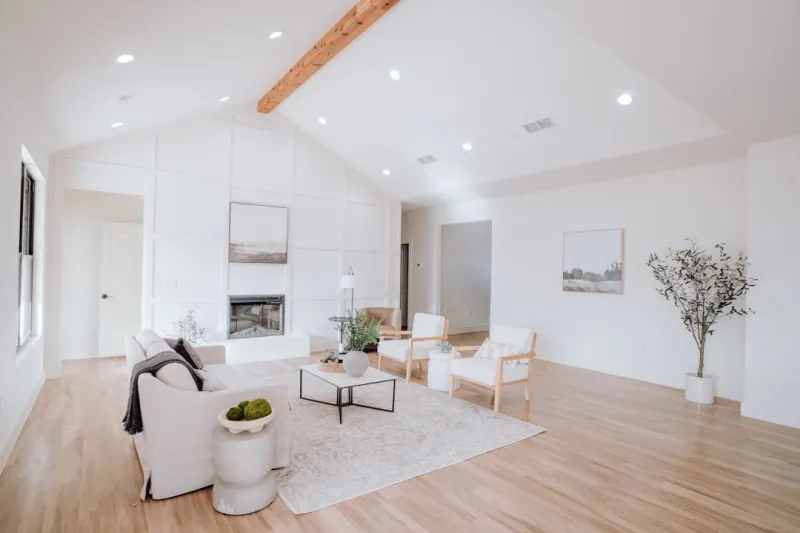
Choosing the right material is the first brushstroke on the canvas of a sustainable interior. Reclaimed timber, salvaged from old barns or decommissioned warehouses, brings a patina of history that new lumber simply cannot replicate. Pair it with bio‑based textiles—think linen, hemp, or Tencel—that are cultivated with minimal water and chemical use, and you have a tactile dialogue between past and future. I love layering a reclaimed hardwood floor with a hand‑woven jute rug; the contrast is subtle yet profound, highlighting the journey of each fiber. These choices aren’t just decorative; they reduce carbon footprints, support local economies, and inspire occupants to consider the lifecycle of the objects around them.
Color Palettes That Echo Nature’s Calm
Color can anchor a space just as effectively as a statement piece of furniture. Earthy tones—soft moss greens, muted terracotta, and warm sand—create an environment that feels grounded, mirroring the outdoor world we all crave. I often start with a base of muted neutrals, then introduce accent hues through accessories like cushions or artwork, allowing flexibility as trends shift. The key is to select pigments derived from natural sources, such as mineral pigments or plant‑based dyes, which emit fewer volatile organic compounds. This approach not only enhances visual harmony but also contributes to healthier indoor air quality, an essential factor for families and work‑from‑home setups alike.
Integrating Green Tech Without Compromising Style
Smart lighting, energy‑efficient appliances, and automated climate controls are no longer luxuries; they’re expectations in a modern, sustainable home. The challenge lies in embedding these technologies seamlessly. I favor fixtures that hide wiring behind sleek profiles and use dimmable LEDs that mimic the warm glow of incandescent bulbs. In the kitchen, I opt for induction cooktops and appliances certified by ENERGY STAR, ensuring that performance and sustainability coexist. For those curious about broader sustainability narratives, the piece The Intersection of WordPress and Sustainability offers insight into how digital green practices echo physical design choices.
Furniture That Grows With You
In an age where flexibility is paramount, furniture must adapt to shifting needs without contributing to waste. Modular sofas, extendable dining tables, and pieces crafted from responsibly sourced plywood allow reconfiguration as families expand or lifestyles change. I often recommend investing in a high‑quality, timeless sofa that can be reupholstered with organic fabrics rather than replaced. This not only extends the piece’s lifespan but also reduces landfill pressure. Additionally, selecting items with detachable components ensures that when a part does wear out, it can be replaced without discarding the whole—an approach that aligns with the circular economy model gaining traction across design disciplines.
Biophilic Design: Bringing the Outdoors Inside
There is a growing body of research that demonstrates how indoor plants improve air quality, reduce stress, and boost productivity. I incorporate biophilic elements through living walls, strategically placed potted greenery, and even herb gardens in kitchens. The visual impact of a vertical garden, for example, can transform a blank hallway into a vibrant corridor that also acts as a natural air filter. For those looking for inspiration on nurturing sustainable habits beyond the home, the article Raising the Next Generation of Eco‑Warriors provides actionable ideas for families seeking to embed green practices early on.
Lighting Strategies That Honor the Sun
Natural light is the most sustainable source of illumination, yet many interiors waste the opportunity by over‑relying on artificial fixtures. I prioritize large, unobstructed windows, skylights, and light‑reflective surfaces to maximize daylight penetration. Where supplemental lighting is needed, I select fixtures equipped with sensors that dim or turn off lights based on occupancy, ensuring energy is only used when necessary. Layered lighting—ambient, task, and accent—allows for flexibility while maintaining a low energy profile. Complementing these choices with warm LED bulbs that mimic the sun’s spectrum can create an inviting atmosphere that feels both modern and timeless.
Accessorizing With Purpose: Art, Décor, and Storytelling
Accessories are the punctuation marks of a room’s narrative, and when chosen thoughtfully, they can amplify a sustainability message. Hand‑crafted ceramics from local artisans, upcycled glass vases, and reclaimed metal sculptures add visual interest while supporting ethical production. I encourage clients to curate pieces that have personal meaning—a travel souvenir, a family heirloom, or a piece of art made from recycled materials—so each item tells a story of connection and responsibility. These intentional selections turn a space from a mere showroom into a living museum of values, sparking conversation and reflection among visitors.
Future‑Forward: Anticipating the Next Wave of Green Interiors
Looking ahead, I see a surge in materials derived from agricultural waste, such as mycelium‑based panels and hempcrete, entering mainstream design. These innovations promise even lower embodied carbon and greater biodegradability. Moreover, advances in digital fabrication—like 3D‑printed furniture made from recycled polymers—will enable bespoke designs with minimal waste. As designers, staying attuned to these developments ensures we can continue to guide clients toward choices that are both cutting‑edge and environmentally sound. By championing sustainability today, we lay the groundwork for interiors that not only look beautiful but also nurture the planet for generations to come.

Jody Henderson is a passionate freelance writer, driven by a love for storytelling and a keen eye for detail. With a versatile skillset, she crafts compelling content across a variety of niches, from engaging blog posts to informative articles and persuasive marketing copy.
Related Posts
The Intersection of Interior Design and Sustainability: A New Era for Homes
The interior design industry is embracing sustainability, and for good reason. Learn how sustainable... Read More
Sustainable Interior Design: How to Create a Healthy and Eco-Friendly Home
Learn how to create a healthy and eco-friendly home with sustainable interior design. Get tips on si... Read More
The Intersection of Interior Design and Sustainable Living
Learn how to create a greener home with sustainable interior design. Discover eco-friendly design ti... Read More
Top Posts

The Intersection of Content Marketing and Sustainable Living
As consumers become increasingly environmentally conscious, brands are under pressure to adapt their messaging and practices to meet these changing expectations...Read More

Sustainable Living for Seniors: A Guide to a Greener Future
As we age, it's essential to consider the impact of our daily lives on the environment. Sustainable living is not just a trend; it's a necessity for the well-be...Read More

Raising Little Environmentalists: A Parent's Guide to Sustainable Living
As a parent, you have the power to shape your child's values and habits. Learn how to promote sustainable living and raise little environmentalists who care abo...Read More

The Alarming Rise of Eco-Friendly Scams: How to Protect Yourself
Eco-friendly scams are on the rise, preying on consumers who want to make a positive impact on the environment. Learn how to spot and avoid these scams....Read More
0 Comments
Post Comment
You will need to Login or Register to comment on this post!