
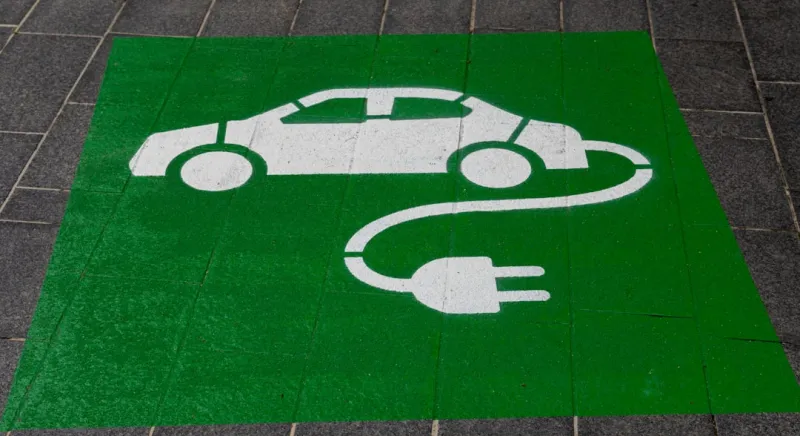
The Electric Vehicle Revolution: How Sustainable Practices are Transforming the Automotive Industry
As the world shifts towards a more sustainable future, the automotive industry is undergoing a significant transformation. The rise of electric vehicles (EVs) is revolutionizing the way we think about transportation, and it's not just about reducing emissions. The EV revolution is about creating a more sustainable, equitable, and connected transportation system. In this article, I'll explore the intersection of sustainability and the automotive industry, and what the future holds for electric vehicles.
The automotive industry has long been a significant contributor to greenhouse gas emissions, with transportation accounting for nearly a quarter of global emissions. However, with the rise of EVs, we are seeing a shift towards a more sustainable transportation system. The future of energy is clean, renewable, and decentralized, and EVs are at the forefront of this revolution.
The Benefits of Electric Vehicles
So, what are the benefits of electric vehicles? For one, EVs produce zero tailpipe emissions, reducing greenhouse gas emissions and air pollution in urban areas. They also require less maintenance than traditional gas-powered vehicles, with fewer moving parts and no oil changes needed. Additionally, EVs can be powered by renewable energy sources, such as solar or wind power, making them a critical component of a sustainable transportation system.
However, the benefits of EVs go beyond just reducing emissions. They also offer a smoother, quieter, and more connected driving experience. With the rise of autonomous driving technology, EVs are poised to revolutionize the way we think about transportation, making it safer, more efficient, and more accessible.
The Role of Sustainable Branding
As the EV revolution gains momentum, sustainable branding is playing a critical role in shaping the industry. The power of sustainable branding lies in its ability to create a positive impact on the environment, while also driving business growth. Companies like Tesla, Rivian, and Lucid are leading the charge, creating a new standard for sustainable transportation.
However, sustainable branding is not just about marketing; it's about creating a culture of sustainability within an organization. It's about making sustainability a core value, and embedding it into every aspect of the business. By doing so, companies can create a loyal customer base, drive innovation, and make a positive impact on the environment.
The Future of Electric Vehicles
So, what does the future hold for electric vehicles? As technology continues to evolve, we can expect to see even more efficient, affordable, and accessible EVs on the market. The rise of autonomous driving technology will also play a critical role, making transportation safer, more efficient, and more connected.
However, the future of EVs is not just about technology; it's also about infrastructure. As the demand for EVs grows, we need to invest in charging infrastructure, making it easier for people to charge their vehicles on the go. We also need to think about the environmental impact of EVs, from mining for battery materials to recycling.
Sustainable Practices in the Automotive Industry
The automotive industry is undergoing a significant transformation, with sustainable practices becoming increasingly important. From reducing emissions to using recycled materials, companies are finding new ways to reduce their environmental impact. The evolution of sustainable industrial products is critical to this transformation, enabling companies to create more sustainable products and reduce waste.
However, sustainable practices are not just about reducing emissions; they're also about creating a more equitable transportation system. As EVs become more accessible, we need to think about how to make transportation more affordable and accessible to everyone. This includes investing in public transportation, creating more sustainable urban planning, and promoting eco-friendly transportation options.
Conclusion
The electric vehicle revolution is transforming the automotive industry, and it's not just about reducing emissions. It's about creating a more sustainable, equitable, and connected transportation system. As we look to the future, we need to think about the role of sustainable branding, infrastructure, and practices in shaping the industry. By working together, we can create a more sustainable transportation system that benefits everyone.
As I conclude this article, I want to emphasize that the EV revolution is just the beginning. It's a critical component of a larger transformation towards a more sustainable future, and it's up to us to make it happen. By embracing sustainable practices, investing in clean energy, and promoting eco-friendly transportation options, we can create a better future for ourselves and future generations.
The EV revolution is not just about electric vehicles; it's about creating a more sustainable world. It's about using technology to drive positive change, and making a difference in the lives of people around the world. As we move forward, let's keep this vision in mind, and work towards a future that's more sustainable, equitable, and connected.
The intersection of sustainability and the automotive industry is complex, but it's also exciting. It's an opportunity to rethink the way we think about transportation, and create a better future for everyone. By working together, we can make it happen.
The future of electric vehicles is bright, and it's only going to get brighter. As technology continues to evolve, we can expect to see even more efficient, affordable, and accessible EVs on the market. The rise of autonomous driving technology will also play a critical role, making transportation safer, more efficient, and more connected.
The EV revolution is a critical component of a larger transformation towards a more sustainable future. It's up to us to make it happen, and it starts with making sustainable choices today. By choosing electric vehicles, investing in clean energy, and promoting eco-friendly transportation options, we can create a better future for ourselves and future generations.
As the world shifts towards a more sustainable future, the automotive industry is undergoing a significant transformation. The rise of electric vehicles is revolutionizing the way we think about transportation, and it's not just about reducing emissions. It's about creating a more sustainable, equitable, and connected transportation system.
The EV revolution is not just about electric vehicles; it's about creating a more sustainable world. It's about using technology to drive positive change, and making a difference in the lives of people around the world.
The future of electric vehicles is not just about technology; it's also about infrastructure. As the demand for EVs grows, we need to invest in charging infrastructure, making it easier for people to charge their vehicles on the go.
The EV revolution is a critical component of a larger transformation towards a more sustainable future. It's up to us to make it happen, and it starts with making sustainable choices today.
The EV revolution is transforming the automotive industry, and it's not just about reducing emissions. It's about creating a more sustainable, equitable, and connected transportation system. As we look to the future, we need to think about the role of sustainable branding, infrastructure, and practices in shaping the industry.
The EV revolution is just the beginning. It's a critical component of a larger transformation towards a more sustainable future, and it's up to us to make it happen.

Tyler Johnson is a seasoned freelance writer with a keen eye for detail and a passion for crafting compelling narratives. His years of experience have honed his ability to adapt his style to suit diverse client needs and project requirements.
Top Posts

The Alarming Rise of Scams in the Digital Age
Scams are on the rise in the digital age. Learn how to protect yourself and your business from these online threats. Discover the impact of scams and best pract...Read More

The Power of Sustainable Branding: How Businesses Can Make a Positive Impact
Sustainable branding is a powerful approach that can help businesses make a positive impact on the environment while driving business success. Learn how to crea...Read More

Raising Eco-Conscious Kids: Why Sustainable Parenting Matters
Raising eco-conscious kids is crucial for a sustainable future. Learn how sustainable parenting can help instill eco-friendly habits and values in your children...Read More

The Intersection of Interior Design and Sustainability: A New Era for Homes
Explore the intersection of interior design and sustainability, and learn how to create eco-friendly homes that are not only beautiful but also healthy and sust...Read More
0 Comments
Post Comment
You will need to Login or Register to comment on this post!