
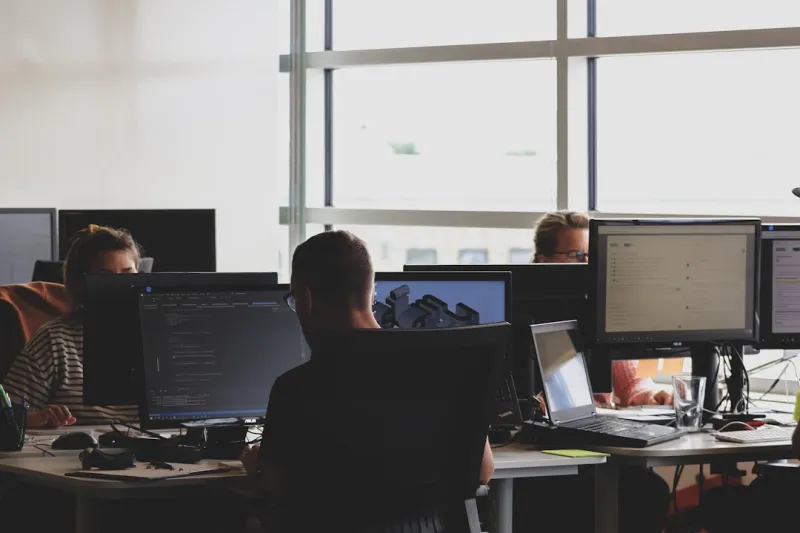
The Evolution of Sustainable Software Development
As we continue to push the boundaries of technological innovation, it's becoming increasingly clear that sustainability plays a critical role in shaping the future of software development. The way we design, build, and deploy software has a profound impact on the environment, and it's essential that we prioritize eco-friendly practices to minimize our ecological footprint. In this article, I'll explore the intersection of sustainability and software development, and discuss the steps we can take to create a more environmentally conscious industry.
The software industry has long been criticized for its environmental impact, from the massive energy consumption of data centers to the e-waste generated by discarded devices. However, there's a growing movement towards sustainable software development, driven by a new generation of developers who are passionate about creating technology that not only improves lives but also protects the planet. The future of AI is a prime example of how sustainable practices are revolutionizing the industry, with a focus on energy-efficient algorithms and environmentally responsible data storage.
The Principles of Sustainable Software Development
So, what does sustainable software development look like in practice? For starters, it involves designing software that's energy-efficient, scalable, and adaptable. This might mean using cloud-based infrastructure to reduce energy consumption, or implementing agile development methodologies to minimize waste and optimize resources. It also involves considering the entire lifecycle of software, from development to deployment to end-of-life, and finding ways to reduce environmental impact at every stage.
One of the key principles of sustainable software development is software as a service (SaaS). By providing software as a subscription-based service, developers can reduce the need for on-premises infrastructure and minimize e-waste. This approach also encourages a culture of continuous improvement, with developers working to refine and optimize their software over time. Another important principle is open-source development, which promotes collaboration, transparency, and community-driven innovation.
The Role of Sustainable Practices in Business
As businesses increasingly prioritize sustainability, they're looking for software solutions that not only meet their needs but also align with their values. This is driving demand for sustainable software development, and creating new opportunities for developers who can deliver eco-friendly solutions. The role of sustainable practices in business is critical, as companies seek to reduce their environmental impact and improve their bottom line.
By adopting sustainable software development practices, businesses can reduce their energy consumption, minimize e-waste, and promote environmentally responsible practices throughout their supply chain. This not only benefits the environment but also enhances their brand reputation, drives cost savings, and improves their competitiveness in the market.
Challenges and Opportunities
While the trend towards sustainable software development is clear, there are still significant challenges to overcome. One of the biggest hurdles is lack of awareness about the environmental impact of software development. Many developers and businesses are still unaware of the significant energy consumption and e-waste generated by the software industry, and may not see the value in prioritizing sustainability.
However, this also presents a significant opportunity for education and awareness-raising. By promoting the benefits of sustainable software development and providing resources and support for developers, we can create a more environmentally conscious industry that prioritizes the health of the planet. The intersection of online safety and sustainable practices is also critical, as we seek to protect users and the environment alike.
Conclusion
The evolution of sustainable software development is a critical trend that's shaping the future of the industry. By prioritizing eco-friendly practices, developers can reduce energy consumption, minimize e-waste, and promote environmentally responsible practices throughout the supply chain. As businesses increasingly demand sustainable software solutions, developers who can deliver eco-friendly solutions will be well-positioned for success. Ultimately, the future of software development depends on our ability to create technology that's not only innovative but also sustainable.
Some key takeaways from this article include:
* Sustainable software development involves designing software that's energy-efficient, scalable, and adaptable. * Software as a service (SaaS) and open-source development are key principles of sustainable software development. * Businesses are driving demand for sustainable software solutions that align with their values and reduce environmental impact. * There are still significant challenges to overcome, including lack of awareness about the environmental impact of software development.
By working together to prioritize sustainability, we can create a more environmentally conscious industry that benefits both people and the planet.
What's Next?
As we look to the future, it's clear that sustainable software development will continue to play a critical role in shaping the industry. Some potential areas of focus include:
- Artificial intelligence: How can we use AI to optimize software development and reduce environmental impact?
- Cloud computing: How can we leverage cloud-based infrastructure to reduce energy consumption and promote sustainability?
- Collaboration: How can we work together as an industry to share best practices and promote sustainable software development?
By exploring these areas and more, we can create a more sustainable future for software development that benefits both people and the planet.
Call to Action
If you're a developer, business leader, or simply someone who cares about the environment, I encourage you to join the conversation about sustainable software development. Share your thoughts and ideas on social media using the hashtag #sustainablesoftware, and let's work together to create a more environmentally conscious industry.

Brad Hays is a freelance writer known for his versatile skill set and ability to craft compelling content across a wide range of industries.
Related Posts
The Evolution of Software Development: Trends and Innovations
The software development landscape is rapidly evolving, driven by technological advancements, changi... Read More

The Future of Sustainable Software Development
The software industry has a significant impact on greenhouse gas emissions. Learn how sustainable so... Read More
The Intersection of Software and Sustainability: A New Era of Eco-Friendly Technology
The software industry has a significant role to play in shaping a more sustainable future. Learn how... Read More
Top Posts
The Intersection of Technology and Sustainability: A New Era for Environmental Stewardship
The intersection of technology and sustainability is transforming the way we approach environmental stewardship. Learn more about the innovative solutions that ...Read More

The Future of Appliances: How Sustainable Practices are Revolutionizing the Industry
The appliance industry is undergoing a significant transformation, driven by growing demand for sustainable and eco-friendly products. Learn more about the futu...Read More

The Art of Gift-Giving: A Personal Journey
Gift-giving is an art form that requires thought, effort, and love. Learn how to create meaningful experiences that strengthen relationships and bring joy to th...Read More

Raising Eco-Conscious Kids: A Guide to Sustainable Parenting
As a parent, teaching your kids about sustainability is crucial for their future and the planet's well-being. Learn how to raise eco-conscious kids with our gui...Read More
0 Comments
Post Comment
You will need to Login or Register to comment on this post!