
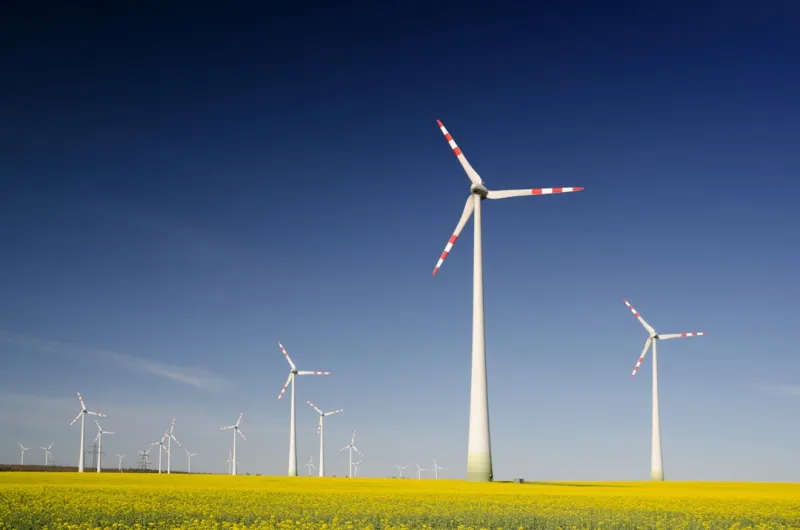
The Future of Energy: A Sustainable Revolution
As we continue to navigate the complexities of climate change, it's clear that the way we produce and consume energy must undergo a significant transformation. The good news is that the future of energy is looking brighter than ever, with sustainable practices and innovative technologies leading the charge. In this article, I'll explore the latest developments in the energy sector and what they mean for our planet.
The energy industry is on the cusp of a revolution, driven by declining costs and improving efficiencies in renewable energy sources like solar and wind power. As the world shifts towards a low-carbon economy, we're seeing a significant increase in investment in clean energy technologies. According to recent reports, renewable energy accounted for 26% of global electricity generation in 2019, up from just 21% in 2010. This trend is expected to continue, with many experts predicting that renewables will become the dominant source of energy in the coming decades.
The Role of Sustainable Practices in Business
But it's not just governments and energy companies that are driving this shift. Businesses of all sizes are playing a crucial role in the transition to a low-carbon economy. By adopting sustainable practices and investing in clean energy technologies, companies can reduce their environmental impact while also improving their bottom line. For example, companies that prioritize sustainability are more likely to attract top talent and improve their brand reputation. As consumers become increasingly environmentally conscious, businesses that fail to adapt risk being left behind.
One of the most promising developments in the energy sector is the growth of decentralized energy systems. These systems allow individuals and communities to generate their own clean energy, reducing their reliance on the grid and promoting energy independence. From rooftop solar panels to community wind farms, decentralized energy systems are empowering people to take control of their energy needs. And with the rise of energy storage technologies like batteries, it's becoming easier for individuals and communities to store excess energy and use it when they need it.
The Intersection of Education and Sustainability
But the transition to a low-carbon economy requires more than just technological innovation – it also requires a fundamental shift in the way we think about energy and sustainability. That's why education and awareness are playing a critical role in the energy revolution. By teaching people about the importance of sustainability and the benefits of clean energy, we can empower them to make informed choices about their energy use and promote a culture of sustainability. From schools to workplaces, education and training programs are helping to build a more sustainable future.
Of course, there are still significant challenges to overcome in the transition to a low-carbon economy. One of the biggest hurdles is the need for infrastructure investment in clean energy technologies. While the cost of renewable energy is declining, it's still a significant upfront investment for many individuals and businesses. That's why governments and financial institutions are playing a critical role in supporting the growth of clean energy by providing incentives and financing options.
The Future of Energy: A Sustainable Revolution
Despite these challenges, the future of energy looks bright. As sustainable practices and innovative technologies continue to transform the energy sector, we're seeing new opportunities emerge for individuals, businesses, and communities to get involved in the clean energy revolution. From energy-efficient homes to sustainable transportation systems, the possibilities are endless. And as we continue to innovate and adapt, we can create a more sustainable, equitable, and prosperous future for all.
The benefits of a low-carbon economy are clear: reduced greenhouse gas emissions, improved air and water quality, and a more sustainable future for generations to come. But the transition to a low-carbon economy also requires a fundamental shift in the way we think about energy and sustainability. By working together and embracing sustainable practices, we can create a brighter future for ourselves and for the planet.
Conclusion
In conclusion, the future of energy is looking brighter than ever, with sustainable practices and innovative technologies leading the charge. As we continue to navigate the complexities of climate change, it's clear that the way we produce and consume energy must undergo a significant transformation. By embracing sustainable practices, investing in clean energy technologies, and promoting education and awareness, we can create a more sustainable, equitable, and prosperous future for all. The future of energy is in our hands – let's make it a sustainable one.
- The future of energy is sustainable, with renewable energy sources like solar and wind power leading the charge.
- Businesses and individuals can play a critical role in the transition to a low-carbon economy by adopting sustainable practices and investing in clean energy technologies.
- Decentralized energy systems and energy storage technologies are empowering people to take control of their energy needs and promote energy independence.
- Education and awareness are critical in promoting a culture of sustainability and empowering people to make informed choices about their energy use.
The energy revolution is here – let's join the movement and create a more sustainable future for all.

Jody Henderson is a passionate freelance writer, driven by a love for storytelling and a keen eye for detail. With a versatile skillset, she crafts compelling content across a variety of niches, from engaging blog posts to informative articles and persuasive marketing copy.
Related Posts
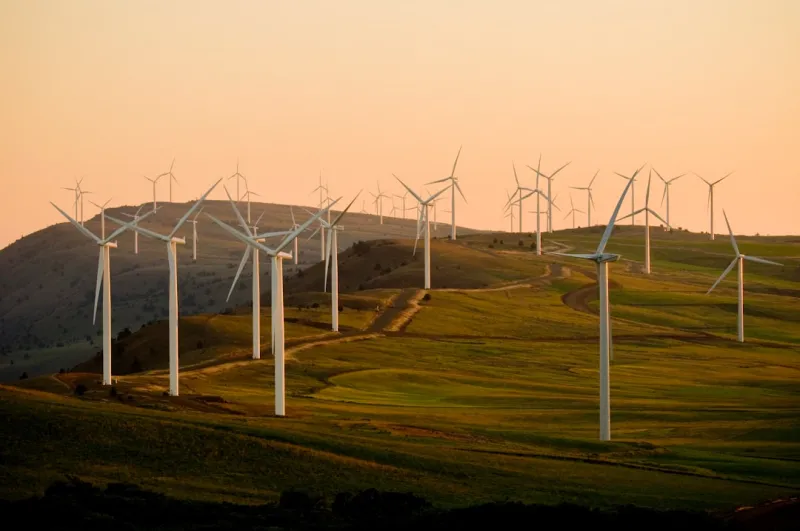
The Future of Energy: How Sustainable Practices are Revolutionizing the Industry
The energy industry is undergoing a significant transformation, driven by the need for sustainable p... Read More
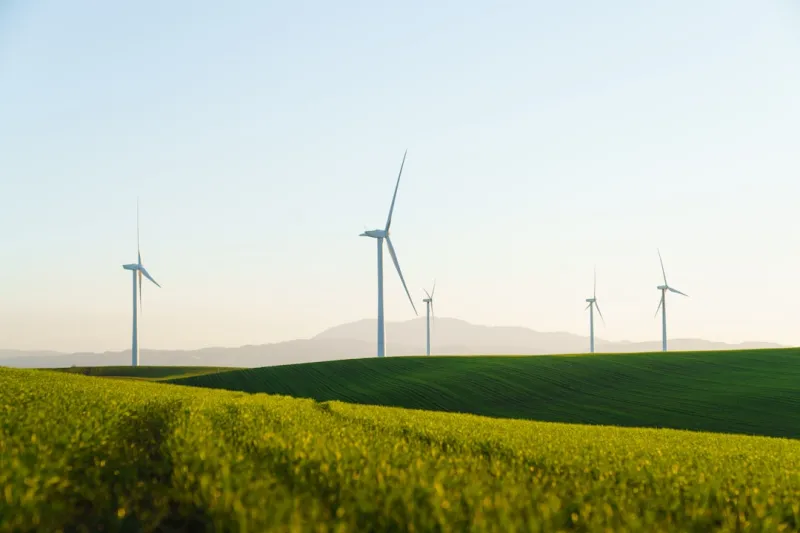
The Future of Energy: How Sustainable Practices are Revolutionizing the Industry
The energy industry is undergoing a significant transformation, driven by the growing demand for ren... Read More
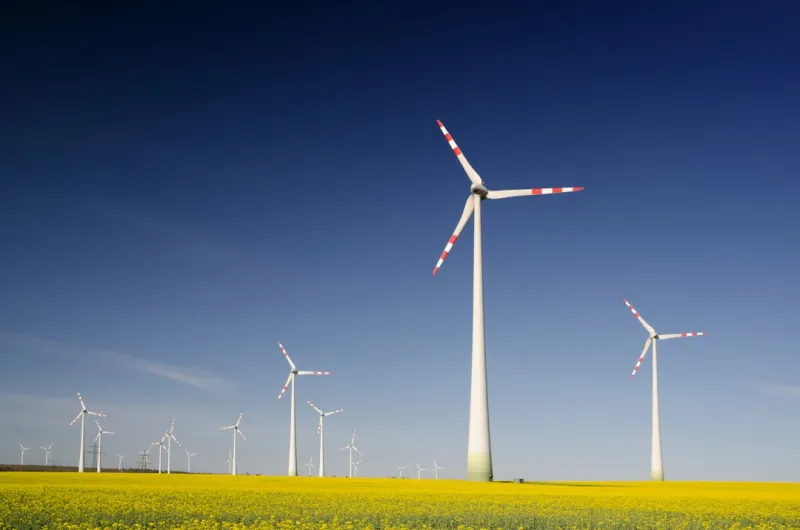
The Future of Energy: How Technology is Revolutionizing Sustainability
The energy sector is undergoing a significant transformation, driven by innovations in renewable ene... Read More
Top Posts

Raising a Greener Generation: How Parents Can Teach Sustainability
As a parent, you have a unique opportunity to shape your child's values and behaviors. Teaching sustainability is crucial for creating a better future, and it s...Read More

The Impact of Technology on Modern Sports
The sports industry is undergoing a significant transformation, driven by advances in technology. From digital streaming to wearable devices, technology is chan...Read More

The Evolution of Sustainable Industrial Products: A New Era for Manufacturers
The industrial sector plays a significant role in shaping our planet's ecological footprint. However, with the growing awareness of environmental concerns, manu...Read More

Embracing Sustainable Home Decor: A Guide to a Greener Space
Learn how to create a sustainable home environment with eco-friendly decor ideas and simple swaps. Discover the benefits of sustainable home decor and get inspi...Read More
0 Comments
Post Comment
You will need to Login or Register to comment on this post!