

Why Shopping Is No Longer Just Transactional
When I first stepped into a boutique with a reusable tote, I felt the weight of a new era where each purchase whispers a story about values, supply chains, and climate footprints, turning a simple checkout into a moment of conscience. The modern consumer now expects transparency, from the origin of cotton fibers to the carbon cost of delivery, and brands that hide behind vague claims quickly lose trust, forcing retailers to rewrite their narratives. This shift transforms shopping from a passive exchange into an active dialogue, where my choices echo louder than any advertising slogan ever could.
The Rise of the Conscious Cart
Every time I add a product to my online cart, I’m silently voting for the kind of world I want to inhabit, and that vote carries measurable weight in the marketplace, nudging companies toward greener materials, fair wages, and circular designs. Data shows that shoppers who prioritize sustainability spend up to 30% more on eco‑friendly items, proving that ethical preferences are not just feel‑good gestures but powerful economic drivers that can reshape entire industries. As I compare labels, I’m reminded that my basket is a miniature portfolio of the planet’s future, and the collective sum of these small decisions fuels a larger movement toward responsible consumption.
From Labels to Lifestyle: Decoding Green Claims
Reading a label used to be a quick glance at price and size, but now it’s a deep dive into certifications, ingredient origins, and the lifecycle of the product, turning the act of shopping into a mini‑research project that rewards the diligent and punishes the careless. Brands that proudly display authentic standards such as Global Organic Textile Standard or Fair Trade Certified are rewarded with higher loyalty, while vague “eco‑friendly” tags often trigger skepticism, prompting shoppers like me to demand proof before committing to a purchase. This new literacy empowers consumers to separate genuine sustainability from greenwashing, ensuring that every dollar spent contributes to a healthier ecosystem rather than a marketing mirage.
How Retailers Are Responding to the Sustainability Surge
Retail giants are retooling supply chains, investing in renewable energy, and offering take‑back programs, all to align with the growing demand for responsible products, turning sustainability from a peripheral concern into a core business strategy. In response, small boutiques are curating hyper‑local selections, partnering with artisans who use reclaimed materials, and showcasing stories that connect buyers directly to the makers, thereby creating a sense of community and purpose that mass retailers often lack. This bifurcated approach illustrates that whether you shop at a global chain or a neighborhood shop, the market is increasingly rewarding transparency and environmental stewardship.
Technology’s Role in Making Ethical Choices Easier
Artificial intelligence now scans product databases in real time, flagging items that meet strict environmental criteria, and integrates seamlessly with shopping apps, giving me instant confidence that the next pair of shoes won’t contribute to deforestation. This tech‑driven guidance mirrors the insights found in The Rise of Sustainable Marketing, where brands leverage data to match consumer values with product attributes, creating a virtuous loop of demand and supply that accelerates green innovation. By embedding sustainability scores directly into the checkout process, retailers turn abstract concepts into concrete, actionable information that guides my spending habits with minimal friction.
Community‑Driven Shopping: The Power of Collective Action
When neighborhoods organize swapping events, bulk‑buy cooperatives, or local repair cafés, they create micro‑ecosystems where resources are maximized, waste is minimized, and social bonds are strengthened, proving that sustainability thrives in collaborative environments. These community hubs often partner with local businesses to showcase products that meet strict environmental standards, offering shoppers like me a curated selection that aligns with shared values and reduces the need for long‑distance shipping. The ripple effect extends beyond the immediate participants, inspiring nearby retailers to adopt greener practices to stay relevant within an increasingly eco‑conscious consumer base.
Financial Incentives That Make Green Shopping Smarter
From cashback rewards on sustainable brands to tax credits for purchasing energy‑efficient appliances, financial tools are emerging that directly reward environmentally friendly spending, turning good intentions into tangible savings. Platforms that aggregate these incentives help me compare the long‑term cost benefits of a biodegradable cleaning product versus a conventional one, highlighting not just the immediate price tag but the hidden savings from reduced waste disposal fees and lower energy consumption. By aligning monetary benefits with ecological outcomes, the market is gradually making the sustainable choice the most logical and economical option for the average shopper.
Storytelling That Turns Products Into Purpose
Brands that weave authentic narratives about their sourcing, manufacturing, and impact turn ordinary items into symbols of a larger mission, encouraging me to feel part of a movement every time I make a purchase. The rise of Celebrating Everyday Wins illustrates how storytelling can transform mundane transactions into moments of pride, reinforcing the idea that each purchase is a vote for the kind of world we want to build. When a company shares a video of artisans crafting a bag from reclaimed ocean plastic, the emotional connection deepens, making the product not just a commodity but a catalyst for change.
Future Trends: What’s Next for Conscious Consumers
Looking ahead, I anticipate a surge in subscription services that deliver refillable, zero‑waste essentials, and augmented reality tools that let shoppers visualize a product’s environmental impact before hitting “buy,” further bridging the gap between intention and action. As regulations tighten and consumer awareness grows, retailers will be compelled to adopt full‑life‑cycle assessments, making sustainability metrics as visible as price tags, ensuring that my future shopping experiences are guided by clear, comparable data. This evolution promises a marketplace where ethical considerations are seamlessly integrated into every decision, turning the act of buying into an effortless act of stewardship.
My Personal Blueprint for Sustainable Shopping
To make the most of my purchasing power, I now start each shopping trip with a checklist: Is the product made from recycled or renewable materials? Does the brand disclose its carbon footprint? Can the item be repaired, reused, or recycled at the end of its life? By consistently applying these criteria, I transform everyday errands into purposeful actions that collectively push the industry toward a greener future. Sharing this framework with friends and family multiplies the impact, turning individual responsibility into a shared commitment that reshapes the retail landscape one mindful purchase at a time.

Dale Peterson is a freelance writer with a passion for technology, travel, law and personal finance. With 10 years of experience crafting compelling and informative content, he's dedicated to delivering high-quality writing for Blogging Fusion that engages audiences and achieves specific goals.
Related Posts

The Rise of Sustainable Shopping: How Technology is Changing the Way We Buy
The world of shopping has undergone a significant transformation in recent years, with consumers bec... Read More

How I Turned My Shopping Habit Into a Sustainable Superpower
A personal guide to making every purchase count, blending style, savings, and sustainability for a g... Read More

The Sustainable Shopper’s Playbook: How I Turn Everyday Purchases Into Planet‑Friendly Wins
Michelle Fisher shares her personal journey to eco‑friendly shopping, revealing strategies, tech t... Read More
Top Posts

Eco‑Cleaning Made Simple: DIY Recipes, My Journey, and How to Grow a Green Business
Explore my hands‑on eco‑cleaning journey, from pantry‑based recipes to scaling a green cleaning service, and learn how simple swaps can protect health and...Read More

The 2026 SEM Playbook: AI, Sustainability, and the Future of Search Advertising
In 2026, SEM is a high‑velocity mix of AI bidding, eco‑focused storytelling, and immersive ad formats. Learn how to future‑proof your campaigns with dataâ...Read More
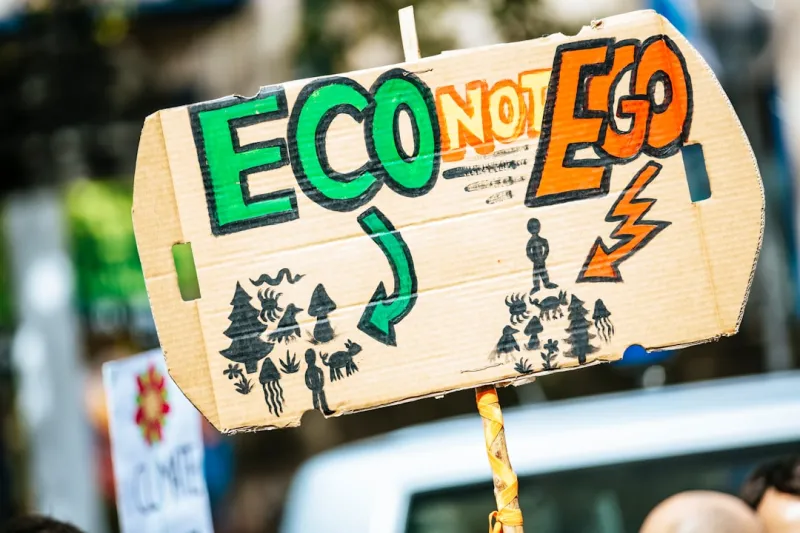
The Power of Eco-Cleaning: A Sustainable Approach to a Healthier Home
Learn how to make a positive impact on the environment with eco-cleaning practices. Discover simple swaps and sustainable tips for a healthier home....Read More
Eco-Friendly Living: A Journey Towards a Sustainable Future
Eco-friendly living is a journey towards a sustainable future. Learn how to reduce your environmental impact and create a better world for yourself and future g...Read More
0 Comments
Post Comment
You will need to Login or Register to comment on this post!