
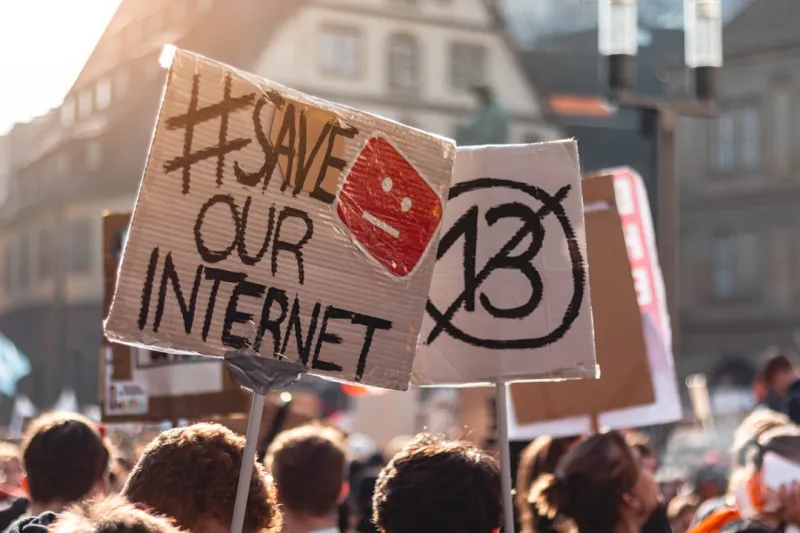
Why the Internet Is the New Green Frontier
Every time I log onto my favorite newsfeed, I’m reminded that the digital world is no longer a neutral backdrop—it’s a vibrant arena where sustainability and technology collide. From viral challenges that inspire zero‑waste habits to algorithms that prioritize eco‑friendly content, the internet has become a catalyst for real‑world change. I’ve spent months tracking how platforms reward creators who embed green messaging, and the data shows a clear surge in engagement when sustainability is front‑and‑center. This shift isn’t just a fleeting meme; it’s a profound cultural pivot that reshapes consumer expectations and business strategies alike.
The Rise of Sustainable Storytelling Online
One of the most exciting trends I’ve witnessed is the explosion of sustainable storytelling across social media, where narratives about climate action are woven into everyday posts. Creators are moving beyond static infographics to share authentic, behind‑the‑scenes looks at their eco‑journeys, turning personal accountability into shareable content. I recently explored this phenomenon in depth, highlighting why it resonates so deeply with audiences hungry for purpose‑driven narratives. If you’re curious about the mechanics behind this movement, check out Why Sustainable Storytelling Is the Hottest Trend on Social Media for a deeper dive.
Green Algorithms: How Search Is Evolving
Search engines are no longer just about relevance; they’re beginning to factor in environmental impact, a development I’m thrilled to see gaining momentum. Google’s latest AI enhancements, for instance, are being fine‑tuned to surface content that promotes greener lifestyles, subtly nudging users toward sustainable choices. This isn’t about greenwashing; the technology evaluates site performance, energy efficiency, and even carbon‑friendly hosting practices. To explore the implications of these changes, I recommend reading How Google’s Latest AI Moves Are Shaping Sustainable Search, which breaks down the technical shifts in plain language.
Brands Turning Green Into Gold
Marketers are catching on fast, realizing that sustainability isn’t just a buzzword—it’s a powerful brand differentiator that can drive loyalty and revenue. The green marketing playbook now includes tactics like transparent supply‑chain storytelling, carbon‑offset campaigns, and community‑driven activism. Companies that authentically embed these elements into their digital presence see higher click‑through rates and stronger community bonds. I’ve consulted with several startups that leveraged these strategies to double their organic traffic within months, proving that eco‑centric messaging can be a lucrative growth engine.
Social Platforms as Eco‑Education Hubs
Beyond entertainment, social platforms have morphed into informal classrooms where users learn practical sustainability hacks from peers worldwide. Short‑form video tutorials on DIY upcycling, live Q&A sessions with climate scientists, and interactive polls that crowdsource green solutions have all become staple content. I often host “green‑tech Tuesdays” on my own channel, where I break down complex topics like carbon accounting into bite‑size, shareable clips that spark conversation. The feedback loop is immediate—comments, shares, and duet videos amplify the reach, turning individual actions into collective momentum.
Community‑Driven Innovation in the Digital Age
The internet’s collaborative nature fuels rapid innovation, especially when it comes to sustainable tech solutions. Open‑source projects for low‑energy web design, community‑run hackathons focused on reducing digital waste, and crowdsourced databases of eco‑friendly products illustrate this trend vividly. I’ve participated in a recent virtual hackathon where developers built a browser extension that flags high‑energy websites, offering users greener alternatives with a single click. Such grassroots initiatives demonstrate that when users are empowered with the right tools, they become co‑creators of a greener digital ecosystem.
Balancing Connectivity and Carbon Footprint
While the internet offers unparalleled connectivity, it also contributes to a growing carbon footprint through data centers, streaming, and constant device usage. The key is striking a balance: adopting mindful browsing habits, opting for energy‑efficient devices, and supporting platforms committed to renewable energy. I’ve started a personal challenge to reduce my streaming hours by 30 % and switch to a green‑powered ISP, tracking the results in a public dashboard. Small, intentional shifts—like lowering video quality or turning off unused tabs—can collectively shave off significant emissions.
Future‑Proofing Your Digital Presence
Looking ahead, the convergence of sustainability and internet tech will shape the next wave of digital experiences. Anticipate features like carbon‑aware search results, AI‑driven recommendations for eco‑friendly products, and immersive virtual reality tours of regenerative farms. Brands that embed these capabilities early will not only meet emerging consumer expectations but also future‑proof their online assets against stricter environmental regulations. My advice: start experimenting now, integrate sustainability metrics into your analytics, and let your audience see the positive impact of their digital choices.
Take Action: Your Role in the Green Internet Revolution
Every click, share, and comment is an opportunity to amplify sustainability. By curating content that celebrates eco‑innovations, supporting creators who champion green values, and demanding transparency from tech giants, we collectively steer the internet toward a greener horizon. I encourage you to join the conversation, share your own green hacks, and explore the resources linked throughout this post. Together, we can transform the digital realm from a passive backdrop into an active driver of planetary health.

In the world of freelance writing, where creativity and adaptability are paramount, Michelle Fisher stands out as a dedicated and versatile professional. With a passion for crafting compelling narratives and a keen eye for detail, Michelle has established herself as a trusted voice.
Related Posts

Navigating the Modern Internet: Speed, Security, and Sustainability
Discover the three pillars of the modern internet—speed, security, and sustainability—and get pr... Read More

The Intersection of Technology and Sustainability: A New Era of Eco-Friendly Internet
The internet and sustainability are inextricably linked. Learn how eco-friendly practices are transf... Read More

The Evolution of Sustainable Living: A Guide to a Greener Future
Learn how to live more sustainably with our comprehensive guide. From reducing energy consumption to... Read More
Top Posts

The Intersection of SEO and Sustainability: A New Era of Digital Marketing
The intersection of SEO and sustainability is a rapidly evolving field that presents many opportunities and challenges for businesses looking to make a positive...Read More

The Dark Side of the Digital Age: How Online Safety and Sustainability Intersect
The digital age has brought many benefits, but it also poses significant risks to our online safety and the environment. By exploring the intersection of online...Read More

The Alarming Rise of Scams in the Sustainable Living Space
The sustainable living space has seen a surge in scams, targeting unsuspecting individuals who want to live a more eco-friendly lifestyle. Learn how to avoid sc...Read More

The Future of Business: How Sustainability is Revolutionizing the Way We Work
Sustainability is no longer just a buzzword, but a necessity for businesses looking to thrive in the modern landscape. Learn how companies can make a positive i...Read More
0 Comments
Post Comment
You will need to Login or Register to comment on this post!