

The Intersection of Business and Sustainability: A New Era for Companies
As we navigate the complexities of the modern business landscape, it's becoming increasingly clear that sustainability is no longer just a buzzword or a nicety, but a necessity. The old model of prioritizing profits above all else is giving way to a new era of eco-consciousness, where companies are expected to not only drive growth but also do their part for the planet. In this article, I'll explore the evolving relationship between business and sustainability, and what it means for companies looking to thrive in a changing world.
The days of ignoring environmental and social concerns are behind us. Today's consumers are more informed and more demanding than ever, and they expect the companies they support to share their values. This shift in consumer behavior has significant implications for businesses, which must now navigate a complex web of stakeholder expectations, regulatory requirements, and market trends. At the heart of this shift is the recognition that sustainable business practices are not just a moral imperative, but a sound business strategy.
The Business Case for Sustainability
So, what's driving this shift towards sustainability in business? For starters, consumers are increasingly choosing to support companies that demonstrate a commitment to environmental and social responsibility. According to a recent study, 75% of millennials are willing to pay more for sustainable products, and 90% of consumers say they would switch to a brand that supports a cause they care about. This trend is not limited to consumer goods; businesses of all kinds are recognizing the benefits of sustainable practices, from cost savings and risk management to enhanced brand reputation and access to new markets.
One company that's leading the way in sustainable business practices is Patagonia, which has built a brand around its commitment to environmental responsibility. From using recycled materials in its products to reducing waste and emissions in its supply chain, Patagonia is a shining example of how sustainability can be a core part of a company's DNA. For more on sustainable business practices, check out our article on The Evolution of Sustainable Content Marketing: A New Era for Businesses.
The Role of Technology in Sustainable Business
Technology is also playing a critical role in the shift towards sustainable business practices. From renewable energy and energy-efficient equipment to sustainable software development and eco-friendly digital marketing, there are countless ways that technology can help businesses reduce their environmental impact. For example, companies can use data analytics to optimize their supply chains, reduce waste, and improve their overall sustainability performance. They can also leverage digital platforms to engage with stakeholders, promote sustainable practices, and drive behavior change.
The Future of Sustainable Business
So, what does the future hold for sustainable business? As consumers, investors, and regulators continue to push for greater accountability and transparency, companies will need to adapt and evolve to stay ahead of the curve. This will require a fundamental shift in how businesses operate, from the way they source materials and manage their supply chains to the way they engage with stakeholders and report on their sustainability performance. For more on the future of sustainable business, check out our article on The Future of Technology: How Sustainable Software Development is Revolutionizing the Industry.
Challenges and Opportunities
Of course, the shift towards sustainable business practices is not without its challenges. From regulatory hurdles to stakeholder expectations, there are many obstacles that companies must navigate on their sustainability journey. However, these challenges also present opportunities for innovation, growth, and leadership. By embracing sustainability as a core part of their strategy, companies can differentiate themselves, build trust with stakeholders, and drive long-term success.
Conclusion
In conclusion, the intersection of business and sustainability is a rapidly evolving space that presents both challenges and opportunities for companies. By embracing sustainable practices, leveraging technology, and engaging with stakeholders, businesses can drive growth, reduce their environmental impact, and build a better future for all. Whether you're a business leader, entrepreneur, or simply someone interested in sustainability, I encourage you to join the conversation and explore the many resources available on this topic. For more on sustainable living, check out our article on Eco-Friendly Home Makeover on a Budget: A Step-by-Step Guide.
Call to Action
So, what can you do to support sustainable business practices? Start by making conscious choices as a consumer, choosing products and services that align with your values and support sustainable practices. You can also engage with businesses on social media, asking questions and providing feedback on their sustainability performance. Finally, consider sharing your own experiences and ideas for sustainable business practices, helping to drive a wider conversation about the role of business in creating a more sustainable future.
Final Thoughts
As we look to the future, it's clear that sustainability will play an increasingly important role in business. By embracing sustainable practices, leveraging technology, and engaging with stakeholders, companies can drive growth, reduce their environmental impact, and build a better future for all. Whether you're a business leader, entrepreneur, or simply someone interested in sustainability, I encourage you to join the conversation and explore the many resources available on this topic.

Tyler Johnson is a seasoned freelance writer with a keen eye for detail and a passion for crafting compelling narratives. His years of experience have honed his ability to adapt his style to suit diverse client needs and project requirements.
Related Posts
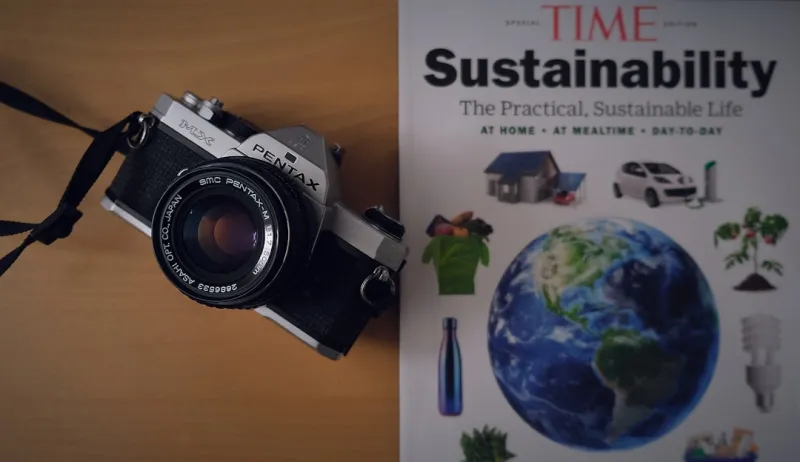
The Future of Business: How Sustainability is Revolutionizing the Way We Work
Sustainability is transforming the business world, driving a new era of practices that prioritize lo... Read More
The Future of Business: How Sustainability is Revolutionizing the Way We Work
Sustainability is no longer just a buzzword, but a necessity for businesses looking to thrive in the... Read More
The Future of Business: How Technology is Revolutionizing Industries
The future of business is being shaped by technology. From AI to sustainable shopping, learn how the... Read More
Top Posts

The Future of Tech: How Sustainable Practices are Revolutionizing the Industry
The tech industry is facing increasing pressure to adopt sustainable practices that minimize its impact on the environment. Learn about the intersection of tech...Read More

Growing a Greener Tomorrow: My Journey with Gardening
Gardening has been a transformative experience for me, and I believe that it can be for others as well. Learn how gardening can improve mental health, connect y...Read More

The Power of Sustainable Social Media Marketing
Sustainable social media marketing is a critical component of any business's sustainability strategy. Learn how to create an eco-friendly social media strategy ...Read More

Sustainable Home Makeover: Easy and Affordable Ways to Green Your Space
Discover simple and cost-effective ways to make your home more eco-friendly. Learn how to reduce your carbon footprint and create a sustainable living space tha...Read More
0 Comments
Post Comment
You will need to Login or Register to comment on this post!