

Why Plugins Are the Unsung Heroes of Modern Websites
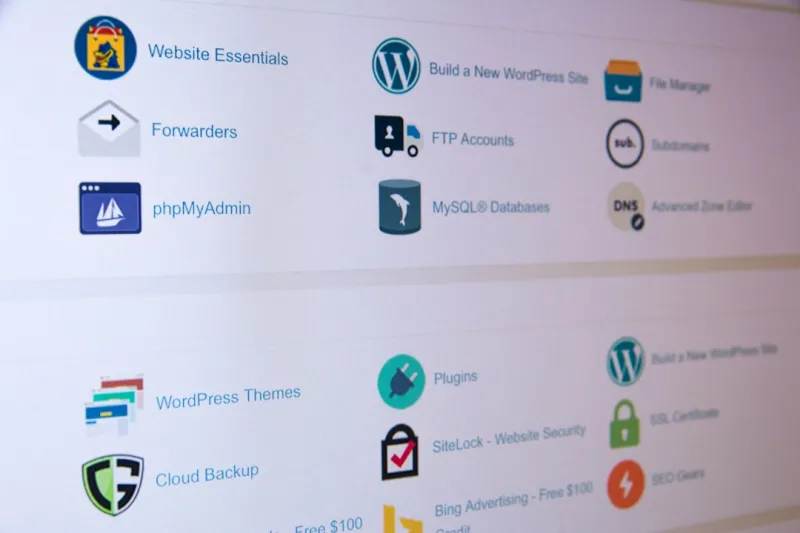
When I first cut my teeth on building sites, the idea of extending core functionality with a simple “add‑on” felt like cheating the system, but today that mindset has evolved into a strategic advantage that fuels growth, engagement, and scalability. Plugins act as modular powerhouses, allowing creators to swap in advanced SEO tools, e‑commerce carts, or analytics dashboards without reinventing the wheel, and this flexibility translates directly into faster time‑to‑market and lower development overhead. As I’ve watched countless clients move from static pages to dynamic ecosystems, the real magic lies not just in the code but in the community‑driven support that keeps these extensions secure, up‑to‑date, and surprisingly resilient under heavy traffic.
Choosing Quality Over Quantity: The Vetting Process
My rule of thumb is simple: a plugin’s reputation should precede its install count, because popularity can mask hidden performance pitfalls that only surface under real‑world load. I dive deep into changelogs, scrutinize user reviews, and run benchmark tests that measure load time impact, database queries, and memory usage, ensuring that each addition aligns with the site’s performance goals. When a plugin threatens to become a bottleneck, I either look for a leaner alternative or work with the developer to trim excess scripts, because a site that loads in three seconds or less is a competitive edge that no savvy creator can ignore.
The Security Imperative: Keeping Your Site Safe
Every plugin introduces a new attack surface, and that’s why I treat each installation as a potential vulnerability that needs constant monitoring and hardening. By integrating plugins with a robust security framework—think firewalls, regular vulnerability scans, and strict permission sets—I can mitigate risks that would otherwise expose user data or compromise SEO rankings. For a deeper dive into protecting your digital assets, check out Fortifying the Future: A Practical Guide to Modern Security Strategies, which walks you through the exact steps I use to keep my sites bullet‑proof.
Performance Optimization: The Art of Minimalism
Speed isn’t just a nice‑to‑have; it’s a decisive factor in user retention, conversion rates, and search engine visibility, so every plugin must earn its keep on the front end. I employ lazy loading, script concatenation, and conditional loading techniques to ensure that only the assets needed for a given page are delivered, dramatically cutting the time‑to‑first‑byte. When a feature demands heavy JavaScript, I often replace it with a lighter, native solution or defer execution until after the critical content renders, preserving the site speed advantage that modern creators prize.
Balancing Functionality with Sustainability
In an era where digital carbon footprints are under scrutiny, I’ve started evaluating plugins through an environmental lens, favoring those built with efficient code and minimal server calls. Sustainable plugins reduce unnecessary CPU cycles, lower energy consumption, and ultimately contribute to greener hosting practices—an often‑overlooked benefit that aligns with broader corporate responsibility goals. My recent research into green code can be explored further in The Rise of Sustainable Software: Building Green Code for Tomorrow, which outlines how developers can shrink their ecological impact without sacrificing functionality.
Custom Development vs. Off‑the‑Shelf Solutions
While bespoke plugins offer unparalleled control, they also demand ongoing maintenance, thorough testing, and a clear roadmap for future compatibility, which can strain resources for smaller teams. I often recommend a hybrid approach: start with a reputable off‑the‑shelf plugin for core features, then layer custom code only where a unique business logic cannot be replicated elsewhere. This strategy leverages the stability and community support of existing solutions while still delivering a differentiated user experience that sets a brand apart.
Future‑Proofing Your Plugin Stack
Technology moves at breakneck speed, and today’s cutting‑edge plugin can become obsolete tomorrow if it doesn’t adapt to emerging standards like WebP images, HTTP/3, or headless CMS architectures. I maintain a quarterly audit schedule, reviewing each plugin for compatibility with upcoming platform updates, deprecations, and performance trends, ensuring that my sites remain agile and ready for the next wave of innovation. By staying ahead of the curve, I avoid costly migrations and preserve the seamless user journeys that keep visitors coming back.
Monetizing Plugins: Turning Extensions into Revenue Streams
Beyond functionality, plugins present a lucrative opportunity to generate recurring income through premium features, subscription models, or affiliate integrations that align with the site’s niche. I design tiered pricing structures that unlock advanced analytics, priority support, or exclusive content, providing tangible value while maintaining a free core offering that drives widespread adoption. This dual‑model approach not only diversifies revenue but also fosters a community of power users who become brand advocates.
Community Engagement: The Lifeblood of Plugin Success
Finally, the most powerful plugins are those that thrive on active community contributions, bug reports, and feature suggestions, creating a feedback loop that continuously refines the product. I encourage site owners to participate in forums, submit pull requests, and share use‑case stories, because collective intelligence accelerates improvement and ensures that the plugin evolves in line with real‑world needs. When developers feel heard and supported, the entire ecosystem benefits, turning a simple add‑on into a cornerstone of digital strategy.

Dale Peterson is a freelance writer with a passion for technology, travel, law and personal finance. With 10 years of experience crafting compelling and informative content, he's dedicated to delivering high-quality writing for Blogging Fusion that engages audiences and achieves specific goals.
Related Posts

Embracing Sustainability: Why Eco-Friendly Plugins are the Future
Eco-friendly plugins are revolutionizing the way we live and work, offering a sustainable solution t... Read More
The Sustainable Plugin Playbook: How to Choose, Optimize, and Future‑Proof Your WordPress Tools
Learn to pick, optimize, and future‑proof WordPress plugins that deliver speed, security, and sust... Read More

Sustainable Plugins: The Secret Sauce for WordPress in 2026
A deep dive into why sustainable plugins matter, how to choose and optimize them, and the emerging t... Read More
Top Posts

Eco‑Friendly Celebration Ideas That Spark Joy in 2026
Explore how to host zero‑waste parties, serve planet‑loving menus, and give gifts that give back—all while creating unforgettable, eco‑friendly celebrat...Read More

The Future of Sustainable Living: A Holistic Approach to a Greener Tomorrow
Sustainable living is not just a trend, but a necessity. Learn how to adopt a holistic approach to sustainable living and create a greener tomorrow. Read this c...Read More

Sustainable Home Makeover: Easy and Affordable Ways to Green Your Space
Discover simple and cost-effective ways to make your home more eco-friendly. Learn how to reduce your carbon footprint and create a sustainable living space tha...Read More

The Rise of Sustainable Tools: Revolutionizing the Way We Live and Work
The rise of sustainable tools is revolutionizing the way we live and work. Learn about the benefits and future of sustainable tools and how they're creating a m...Read More
0 Comments
Post Comment
You will need to Login or Register to comment on this post!