

Why the Energy Conversation Is Personal for Me
When I first unplugged my home from the grid for a weekend, I felt a mix of exhilaration and anxiety that still fuels my writing today; the hum of the city’s power lines receded, replaced by the quiet whir of a portable solar panel I’d rigged onto the balcony. That experiment revealed how deeply intertwined our daily rituals are with the invisible flow of electrons, and it made me ask the uncomfortable question: are we merely passengers on a fossil‑fuel train that’s already out of steam? Understanding the true cost of every kilowatt‑hour has become my personal mission, because the choices we make in our homes, offices, and even in our digital habits echo across the planet’s climate ledger. In the next few minutes, I’ll walk you through the trends that are reshaping the energy sector, the technology that’s turning promise into power, and the mindset shift required to keep the lights on without dimming the future.
The Surge of Renewable Power and What It Means for the Grid
Solar farms now blanket deserts that once seemed too remote for any meaningful development, and offshore wind turbines spin gracefully where the sea meets the sky, delivering electricity at a price point that would have been unthinkable a decade ago. This rapid expansion is not just a matter of scale but also of sophistication; modern inverters can predict cloud cover minutes ahead, while AI‑driven forecasting tools balance supply and demand with a precision that makes blackouts a relic of the past. Yet the story isn’t just about generation; it’s about the grid’s newfound flexibility, as distributed energy resources like rooftop panels and community batteries feed power back into the system, creating a two‑way street for electricity that was once strictly one‑way.
Battery technology, once a bottleneck, is now leaping forward thanks to breakthroughs in solid‑state chemistry and modular design, allowing homes to store days of sunlight and factories to smooth out the intermittency of wind. The emergence of utility‑scale lithium‑iron‑phosphate packs and even experimental flow batteries means that the grid can act like a giant capacitor, absorbing excess energy during peak production and releasing it when the wind dies down. This shift is crucial because it reduces reliance on fossil‑fuel peaker plants, which have long been the safety net for sudden demand spikes, and it also paves the way for a truly carbon‑free energy mix.
Policy, Market Forces, and the Business Case for Clean Energy
Governments worldwide are finally aligning policy incentives with the reality that climate change is an economic risk, not just an environmental one; carbon pricing, tax credits for renewable installations, and stringent emissions standards are nudging both investors and consumers toward greener choices. The market is responding in kind, with venture capital flowing into clean‑tech startups at record levels, and public companies boasting “green” metrics that are increasingly scrutinized by shareholders. This alignment is creating a virtuous cycle where the cost of clean energy continues to drop, encouraging broader adoption, which in turn drives further innovation and economies of scale.
In this evolving landscape, businesses that embed sustainability into their core strategy are finding a distinct competitive edge. A recent deep‑dive I authored on sustainable business models highlighted how companies that prioritize renewable sourcing, circular supply chains, and transparent carbon reporting not only reduce risk but also attract talent and customers who demand authenticity. The message is clear: sustainability is no longer a peripheral add‑on; it is a decisive factor in market positioning, valuation, and long‑term resilience.
Electrification of Transportation: The Road Ahead
The automobile industry is undergoing a transformation that mirrors the energy sector’s own renaissance, as electric vehicles (EVs) accelerate from niche luxury items to mainstream necessities. Advances in battery density have pushed range anxiety into the past, while fast‑charging networks now span highways, making long trips in an EV as convenient as refueling a gasoline car once was. This electrification isn’t limited to personal cars; buses, delivery trucks, and even heavy‑duty freight are shifting to electric power, slashing emissions across the entire transport ecosystem.
What makes this shift even more compelling is the synergy between EVs and the grid. Vehicle‑to‑grid (V2G) technology allows parked cars to feed stored electricity back into the grid during peak demand, effectively turning millions of batteries into a distributed storage network. In a recent article, I explored how electrification and sustainable software are redefining automotive design, making software updates as critical as mechanical upgrades and ensuring that the energy flowing into our roads is clean, efficient, and intelligently managed.
Digital Tools Powering Energy Efficiency
While solar panels and wind turbines capture nature’s power, it’s the invisible layer of software that determines how wisely we use it, and this is where the concept of “green code” becomes a game‑changer. Modern energy‑management platforms employ machine learning to analyze consumption patterns in real time, automatically dimming lights, adjusting HVAC settings, and even shifting non‑essential workloads to off‑peak hours to lower demand charges. The result is a seamless, invisible hand that guides energy use toward optimal efficiency without sacrificing comfort or productivity.
Moreover, the rise of the Internet of Things (IoT) has turned everyday appliances into smart participants in the energy ecosystem. A fridge can now anticipate when you’ll be home and pre‑cool its interior using off‑peak electricity, while smart thermostats learn your schedule and fine‑tune heating cycles accordingly. These incremental gains, when multiplied across millions of households and commercial spaces, create a substantial reduction in overall demand, reinforcing the grid’s ability to run on renewable sources and lessening the need for fossil‑fuel backup generators.
From the Grid to the Home: The Role of Sustainable Architecture
Architects and builders are increasingly designing structures that act as mini‑power plants, integrating photovoltaic facades, passive solar heating, and high‑performance insulation that together cut energy consumption to a fraction of traditional buildings. Net‑zero homes are no longer experimental prototypes; they are becoming the standard in forward‑thinking neighborhoods, where community microgrids share excess solar generation and battery storage among residents, creating a resilient local energy hub.
This shift is reinforced by policy incentives that reward energy‑positive construction and by consumer demand for healthier indoor environments. When a building produces more energy than it consumes, the surplus can be sold back to the utility, creating an additional revenue stream for owners and further incentivizing sustainable design. In short, the line between producer and consumer is blurring, fostering a collaborative energy landscape where every roof, wall, and window contributes to the larger clean‑energy puzzle.
The Future Energy Landscape: A Vision of Clean Innovation
Looking ahead, the convergence of renewable generation, advanced storage, smart software, and electrified transport paints a picture of an energy system that is not only cleaner but also more democratic and resilient. As we phase out coal and natural gas, the grid will increasingly rely on a mosaic of distributed resources, each managed by algorithms that optimize for cost, carbon, and reliability in real time. This decentralization empowers individuals and communities to take control of their energy destiny, reducing dependence on centralized, fossil‑fuel‑heavy utilities.
Yet the transition is not automatic; it demands deliberate action from policymakers, investors, and everyday citizens. By choosing renewable tariffs, installing home storage, supporting sustainable businesses, and advocating for robust climate policies, we can accelerate the shift toward a future where energy is abundant, affordable, and environmentally sound. The choices we make today will determine whether the next generation inherits a world powered by clean innovation or a relic of the carbon‑intensive past.
Closing Thoughts: Powering Our Lives With Purpose
My journey from a weekend off‑grid experiment to a lifelong commitment to clean energy has taught me that the most powerful changes start with curiosity and a willingness to question the status quo. Every switch we flip, every contract we sign, and every conversation we have about energy carries weight, and together they form the collective momentum needed to reshape the planet’s power story. I invite you to join me in this ongoing dialogue, to share your own experiments, and to champion the technologies and policies that will keep our lights on while keeping the Earth cool.

David Moore is a freelance writer specializing in two dynamic and ever-evolving fields: gambling and the tech industry. With a keen eye for detail and a knack for unraveling complex topics, David delivers insightful and engaging content that keeps readers informed and entertained.
Related Posts
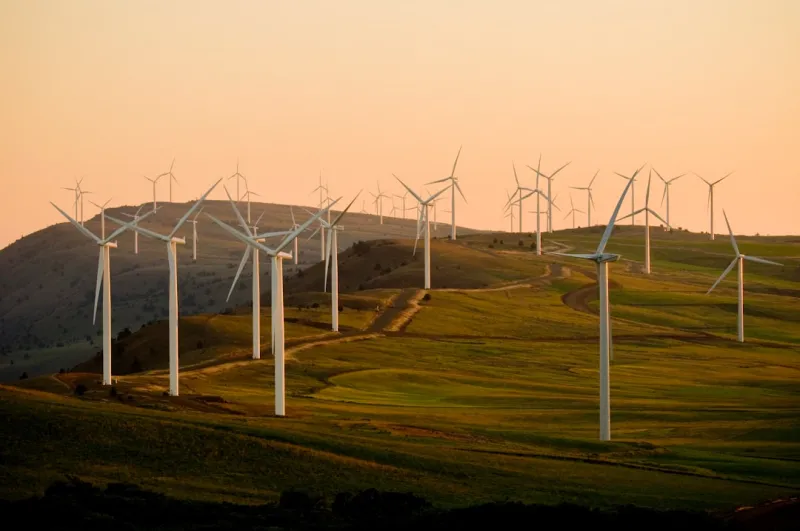
The Future of Energy: How Sustainable Practices are Revolutionizing the Industry
The energy industry is undergoing a significant transformation, driven by the need for sustainable p... Read More
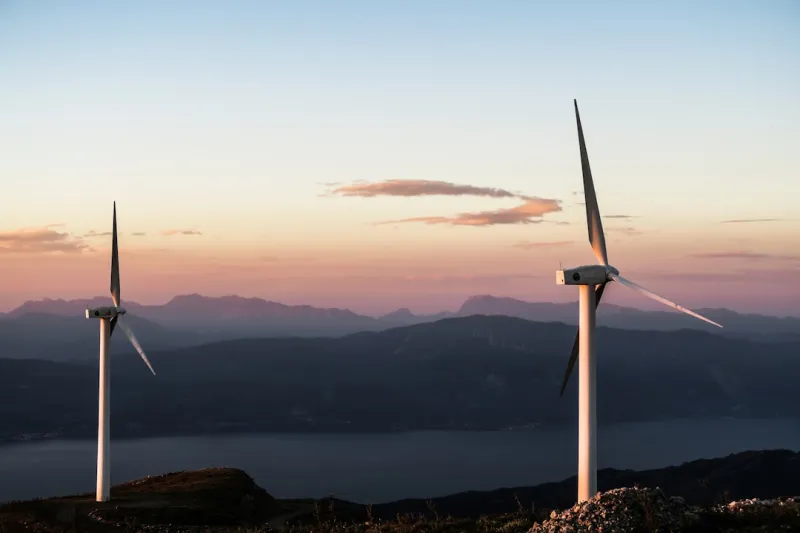
Powering the Future: How 2026’s Energy Landscape Is Shifting Toward Clean Innovation
A deep dive into 2026’s energy transformation, from electric vehicles and smart homes to community... Read More

Riding the Renewable Wave: Laura Wilson’s Personal Take on the Energy Revolution
Laura Wilson shares her hands‑on journey through the 2024 energy transformation, highlighting sola... Read More
Top Posts

The Alarming Rise of Scams in the Digital Age
Scams are on the rise in the digital age. Learn how to protect yourself from phishing emails, identity theft, and online harassment with expert tips and insight...Read More
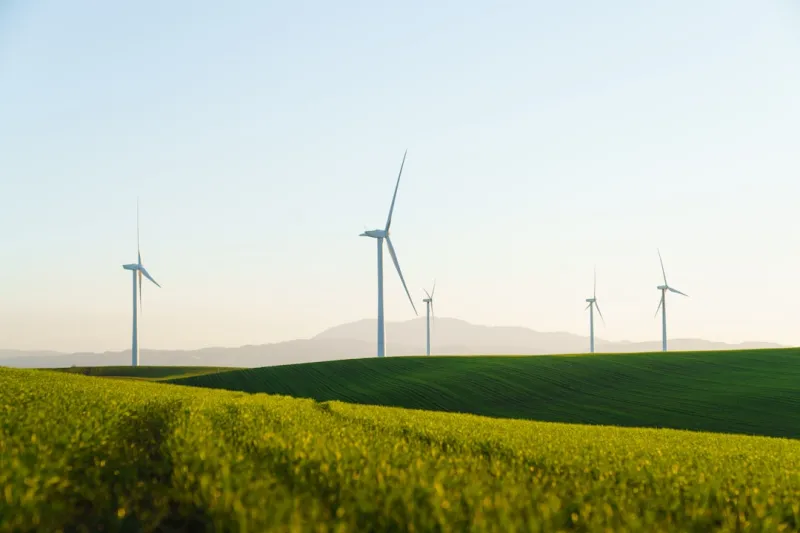
The Future of Energy: How Sustainable Practices are Revolutionizing the Industry
The energy industry is undergoing a significant transformation, driven by the growing demand for renewable energy sources and sustainable practices. Learn more ...Read More

Raising Little Environmentalists: A Guide to Sustainable Parenting
Raising little environmentalists requires a commitment to sustainable parenting and a willingness to model environmentally responsible behaviors. Learn how to p...Read More

The Power of Networking in the Digital Age
Learn how to harness the power of networking in the digital age to connect with others, share ideas, and collaborate on projects to achieve your goals....Read More
0 Comments
Post Comment
You will need to Login or Register to comment on this post!