

Why Kids Are Becoming the Real Innovators of Tomorrow’s Learning Spaces
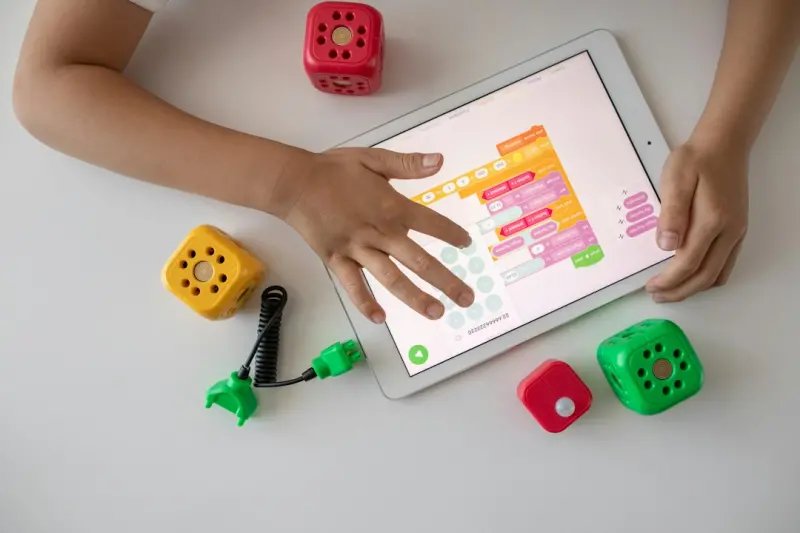
When I first walked into a middle‑school maker lab three years ago, I expected to see a handful of curious teenagers tinkering with Arduino boards. What I found was a bustling ecosystem where students were not just following step‑by‑step tutorials—they were designing their own curricula, swapping code on the fly, and even negotiating the terms of a “lab charter” that defined how resources would be shared. It was a vivid reminder that the next wave of educational transformation isn’t being driven from boardrooms; it’s being authored by the kids themselves.
The Shift From Consumer to Creator
For decades, our education system has treated technology as a static tool—a tablet for note‑taking, a smartboard for teacher‑led instruction. Today, that mindset is rapidly eroding. Kids are moving from the role of passive consumer to active creator, and they’re doing it in ways that make even seasoned SaaS innovators pause.
- Hackathons as Homework: Many schools now assign “hackathon projects” as part of the grading rubric. The goal isn’t just to finish a product; it’s to iterate quickly, gather feedback, and pivot—exactly the lean methodology championed in the tech world.
- Co‑Designing Curriculum: Student councils are partnering with teachers to draft lesson plans around emerging tech topics, from AI ethics to low‑code app development.
- Peer‑Led Support Networks: Teens are establishing Discord channels and private sub‑reddits where they troubleshoot each other’s code, share design assets, and celebrate wins.
This democratization of the learning process mirrors the broader shift we see in SaaS—where users are no longer passive subscribers but active contributors to product roadmaps. The difference is that these young innovators are doing it with a blend of curiosity, playfulness, and an earnest desire to solve problems that affect their own lives.
Building Physical Spaces That Match Their Digital Ambitions
Physical maker spaces have evolved dramatically. Gone are the days of a single 3‑D printer in the corner of a classroom. Modern labs now feature modular laptops that can be reconfigured on the spot for graphics‑intensive rendering or low‑power IoT prototyping. These devices are not only eco‑friendly; they teach students the value of hardware longevity and repairability—an early lesson in sustainability that aligns perfectly with the “circular design” mindset that many enterprises are now adopting.
Beyond the hardware, the layout of these spaces reflects the collaborative spirit of youth culture. Open‑floor plans with flexible furniture enable rapid re‑configuration for group sprints, while “quiet pods” let individuals dive deep into focus work. The visual language of the space—bright murals, graffiti‑style chalkboards, and QR‑coded “idea walls”—invites every student to leave a mark, turning the room itself into a living prototype.
From Playful Experiments to Real‑World Impact
One of the most compelling stories I’ve witnessed involves a group of 14‑year‑olds who built a low‑cost air‑quality sensor using off‑the‑shelf components. Their goal was simple: map pollution hotspots around their neighborhood. Within weeks, they had a functioning dashboard, shared the data with the local council, and sparked a community‑wide discussion about traffic patterns.
This is not a one‑off anecdote. Across the country, student‑led projects are tackling everything from water conservation to mental‑health awareness. What’s striking is the level of sophistication in the process:
- Problem Identification: Students start with a genuine pain point they observe in daily life.
- Data Collection & Analysis: They use smartphones, low‑code platforms, or even autonomous monitoring scripts to gather data.
- Iterative Prototyping: Rapid feedback loops—often through peer testing—drive continuous improvement.
- Stakeholder Engagement: Presentations to parents, local NGOs, or city officials turn a classroom project into a civic dialogue.
These steps echo the product‑development lifecycles that SaaS teams spend months perfecting. The only difference is the timeline—kids often move from concept to prototype in days, not months.
How Educators Can Nurture This Momentum
For teachers and administrators, the challenge isn’t to reinvent the wheel but to provide the right scaffolding. Here are three practical strategies that have proven effective:
- Curate Open‑Source Toolkits: Offer a curated list of free, open‑source software that supports rapid development—think low‑code app builders, version‑control platforms, and cloud‑based notebooks. This lowers the entry barrier while teaching best practices for collaboration.
- Establish “Failure Credits”: Create a system where students earn points for documented experiments that didn’t work as expected. This encourages risk‑taking and normalizes failure as a learning step, much like a SaaS company runs A/B tests and learns from underperforming variants.
- Partner With Local Tech Hubs: Bring in mentors from startups, community‑owned digital spaces, or even corporate innovation labs. These partnerships provide real‑world context and can open doors for internships or project sponsorships.
Preparing for a Future Where Teens Are the First‑Line Users
When today’s teenagers graduate, they’ll enter a workforce where the line between user and creator is blurred. Companies that understand how to speak the language of this generation will enjoy a competitive edge. Here’s what that looks like in practice:
- Co‑Creation Platforms: SaaS products that invite teens to suggest features, beta test new releases, or even contribute code will see higher adoption rates.
- Ethical Design Frameworks: Young users are increasingly vocal about data privacy, algorithmic bias, and sustainability. Brands that embed ethical considerations from day one will earn trust.
- Gamified Learning Analytics: Providing transparent dashboards that show learning progress—much like a real‑time finance dashboard for businesses—can empower students to take ownership of their growth.
In short, the next wave of product innovation will be co‑authored with the very users who once were merely “customers.”
Community‑Owned Digital Spaces: A Blueprint for Youth Collaboration
One emerging model that aligns perfectly with teen innovation is the rise of community‑owned digital spaces. These are not just social media groups; they’re decentralized platforms where members collectively govern content, moderation policies, and even revenue sharing. For students, such spaces become laboratories for governance, conflict resolution, and collaborative creation.
Imagine a school‑wide platform where each class can propose a new feature—say, a “skill‑swap marketplace” where students exchange tutoring sessions for coding help. The community votes, allocates resources, and iterates on the feature together. This mirrors the community‑owned digital spaces that many enterprises are experimenting with, but with the added benefit of teaching civic responsibility at a formative age.
Measuring Success: Beyond Grades
Traditional metrics—test scores, attendance, and graduation rates—only tell part of the story. To truly gauge the impact of these innovation labs, schools should adopt a broader set of indicators:
- Portfolio Depth: Quantity and diversity of projects completed, ranging from apps to physical prototypes.
- Community Impact: Number of external stakeholders engaged (e.g., local businesses, NGOs).
- Skill Transferability: Ability of students to apply learned concepts across disciplines—like using data‑visualization skills from a science project in a history presentation.
- Entrepreneurial Intent: Percentage of graduates who pursue startups, freelance gigs, or further education in technology fields.
When schools begin to track these dimensions, they’ll discover that the “real ROI” of kid‑led innovation labs is a generation of adaptable, confident problem‑solvers ready to shape any industry.
Looking Ahead: The Role of Parents and Policy Makers
Parents often wonder how to support their child’s newfound passion without micromanaging. The answer lies in fostering autonomy while providing safety nets. Encourage exploratory learning, celebrate iterative progress, and set clear expectations around digital citizenship.
Policy makers, meanwhile, can accelerate this movement by allocating funding for flexible lab spaces, incentivizing public‑private partnerships, and updating curricula to include “design thinking” as a core competency. When legislation acknowledges the value of experiential learning, schools will have the resources they need to keep pace with the rapid evolution of youth‑driven tech culture.
Conclusion: Empowerment Is the New Curriculum
At its heart, the explosion of teen‑led innovation labs is about empowerment. By handing kids the tools, space, and agency to solve real problems, we’re not just preparing them for a future job market—we’re co‑creating a future where the boundaries between learner, creator, and leader disappear.
If you’re an educator, a parent, or a product leader, ask yourself: How can I help shift the narrative from “teaching tech” to “co‑creating with the next generation of tech builders? The answer will likely be as diverse and dynamic as the kids themselves.

Amanda is a passionate writer exploring a kaleidoscope of topics from lifestyle to travel and everything in between.
Related Posts
When Kids Become Digital Storytellers: A New Wave of Creative Confidence
Kids are turning everyday moments into captivating digital narratives, merging play with purpose. Th... Read More
When Play Becomes Power: How AR Is Shaping the Next Generation
A deep dive into the rise of AR‑driven play, DIY maker movements, and supportive learning communit... Read More

Playful Learning: Turning Everyday Moments Into Creative Superpowers for Teens
Explore the power of play in teen education with practical ideas—from AR home labs and subscriptio... Read More
Top Posts

The Future of Smartphones: Trends and Innovations to Watch
The smartphone industry is rapidly evolving, with new trends and innovations emerging every year. From AI-powered cameras to 5G networks, discover what's next f...Read More

Smart Appliances That Actually Simplify Life
From AI‑powered kitchens to subscription‑based leasing, this post explores how smart appliances are turning everyday chores into seamless experiences while ...Read More

Why CFOs Should Treat Subscription Churn as a Cash‑Flow Emergency
Churn isn’t just a KPI—it’s a cash‑flow threat. Learn how CFOs can quantify churn’s impact, optimize cloud costs, and embed churn mitigation into capi...Read More

The Secret Architecture of SaaS Brands: Building Emotion into Every Interaction
Discover a fresh approach to SaaS branding that goes beyond visuals, focusing on purpose, daily rituals, and product tone to build lasting emotional connections...Read More
0 Comments
Post Comment
You will need to Login or Register to comment on this post!