

The Hidden Power of Micro‑Interactions in SaaS Branding
When you think about branding, the first things that usually spring to mind are logos, color palettes, and taglines. Those are the big‑ticket items that sit on a homepage or a product splash page. But if you peel back the layers of a truly memorable brand experience, you’ll find a forest of tiny, almost imperceptible moments that whisper your brand’s personality into a user’s subconscious. I call these micro‑interactions—the subtle, purposeful design touches that happen when a user clicks a button, receives a notification, or even pauses on a loading screen.
In the SaaS world, where products are inherently digital and competition is fierce, mastering micro‑interactions can be the differentiator that turns a casual user into a brand advocate. It’s not about adding gimmicks; it’s about aligning every pixel, animation, and sound with the core values you want your brand to embody.
Why Micro‑Interactions Matter More Than Ever
There are three main reasons why these tiny experiences have outsized impact on brand perception:
- Speed of perception: Users form an opinion about a product in the first few seconds of use. A smooth, delightful micro‑interaction can instantly signal professionalism and care.
- Emotional resonance: Small, positive feedback loops (like a subtle confetti burst when a task is completed) release dopamine, reinforcing a sense of achievement linked to your brand.
- Consistency at scale: While large campaigns come and go, micro‑interactions are baked into the product itself. They’re the brand’s always‑on ambassadors.
Think of a SaaS platform you love. Maybe it’s the way the “Save” button subtly changes color, or how a loading spinner morphs into a brand‑colored icon. Those moments don’t just feel good; they whisper, “We’re thoughtful, we’re reliable, we’re here for you.” That whisper is branding in action.
Building a Micro‑Interaction Framework
Before you start sprinkling animations across your UI, you need a strategic framework. Here’s a five‑step process that has helped my own teams turn micro‑interactions from afterthoughts into brand‑building assets:
1. Define the Brand Emotion for Each Interaction
Ask yourself: what feeling should this moment evoke? Confidence? Playfulness? Calm? Map each major user flow (onboarding, error handling, achievement milestones) to a specific emotion that aligns with your brand promise.
2. Prioritize High‑Impact Touchpoints
Not every click needs sparkle. Identify the moments that matter most—sign‑up confirmation, payment success, data export, error recovery. These are the places where a well‑crafted micro‑interaction can turn friction into delight.
3. Choose the Right Sensory Channel
Micro‑interactions can be visual (animation, color change), auditory (soft chime, subtle click), or haptic (vibration on mobile). Choose the channel that best reinforces the desired emotion without overwhelming the user.
4. Keep It Purposeful
Every animation should have a functional purpose: feedback, guidance, or reward. Avoid “busy‑work” animations that add latency or distract from core tasks. Simplicity is the hallmark of elegance.
5. Test, Measure, Iterate
Use analytics to track interaction success. Metrics like task completion time, error rates, and NPS can reveal whether a micro‑interaction is helping or hurting. A/B test different animation speeds, colors, and sounds to find the sweet spot.
Case Study: Turning Data into Delight
One of our SaaS clients struggled with a high churn rate during the onboarding phase. The onboarding flow was functional but felt sterile. We introduced three micro‑interactions:
- A brief, brand‑colored slide‑in that welcomed users by name after they completed their profile.
- A subtle “check‑mark” animation when users successfully linked their first data source.
- A celebratory mini‑confetti burst after the first report was generated.
The result? A 12% increase in activation rates and a measurable lift in brand sentiment scores. Users reported feeling “more connected” and “valued”—exactly the emotions we aimed to convey.
Want to see how storytelling can amplify such moments? Check out our guide on customer success stories that sell. It’s a reminder that data and drama aren’t mutually exclusive; they can co‑exist in the tiny moments that shape perception.
Design Patterns That Elevate Brand Identity
Below are a few proven design patterns you can adapt to your own brand language:
- Animated State Transitions: When a button moves from “inactive” to “active,” animate the transition with a brand‑colored ripple. This reinforces brand color while providing visual feedback.
- Progressive Disclosure: Reveal additional information only when needed, using a gentle slide‑in that mirrors your brand’s voice (e.g., a calm, slow reveal for a mindfulness‑focused SaaS).
- Micro‑Sound Cues: A soft “ding” when a task completes can add a layer of satisfaction. Keep the sound palette consistent—think of it as your brand’s auditory logo.
- Error Empathy: Instead of a stark red error box, use a friendly illustration paired with a concise, human‑tone message. The tone of the text becomes a brand touchpoint.
- Celebratory Feedback: Reward milestones (like reaching a usage quota) with a brief animation that reflects your brand’s personality—sparkles for a playful brand, a subtle glow for a premium, understated brand.
Balancing Performance and Polish
There’s a fine line between a delightful micro‑interaction and a performance bottleneck. Here are three tactics to keep the experience snappy:
- Leverage CSS over JavaScript: Where possible, use hardware‑accelerated CSS transitions. They’re lighter and often smoother.
- Lazy‑load assets: Load animation assets only when the user reaches the relevant part of the flow.
- Set animation duration wisely: Aim for 150‑300 ms for most feedback loops. Anything longer feels laggy; anything shorter is barely noticed.
Micro‑Interactions as a Collaboration Hub
When you bring design, product, and engineering together to define these tiny experiences, you create a shared language—a collaborative lab of sorts. This collaborative approach not only tightens the brand’s visual identity but also fosters cross‑functional ownership of the brand promise.
Our own experience with building a shared design system showed that when engineers understand the “why” behind each micro‑interaction, they’re more likely to champion brand consistency. For a deeper dive into how collaborative labs can supercharge SaaS marketing, read collaborative labs fuel SaaS marketing success.
Future‑Proofing Your Micro‑Interaction Strategy
As AI and voice interfaces become mainstream, micro‑interactions will evolve beyond the visual realm. Think of conversational cues, tone of voice, and even pause lengths as brand touchpoints. The principles remain the same: consistency, purpose, and emotional resonance.
Start experimenting now. Map out the top five user journeys in your product, assign a brand emotion, and prototype a micro‑interaction for each. Iterate based on data, and watch your brand perception metrics climb.
Takeaway Checklist
- Identify high‑impact moments in the user journey.
- Define the brand emotion for each micro‑interaction.
- Choose visual, auditory, or haptic channels that align with that emotion.
- Implement with performance in mind—prefer CSS, lazy‑load assets, and keep animations under 300 ms.
- Measure impact through activation rates, churn, and brand sentiment surveys.
- Iterate continuously, and involve cross‑functional teams to keep the brand narrative cohesive.
When you embed your brand’s soul into the smallest clicks and taps, you create a living, breathing experience that users can’t help but share. That’s branding that doesn’t just sit on a page—it lives in the product.

Ryan Stuart is a seasoned freelance features writer, editor, and professional photographer with a passion for exploring the world and capturing its beauty through words and images.
Related Posts
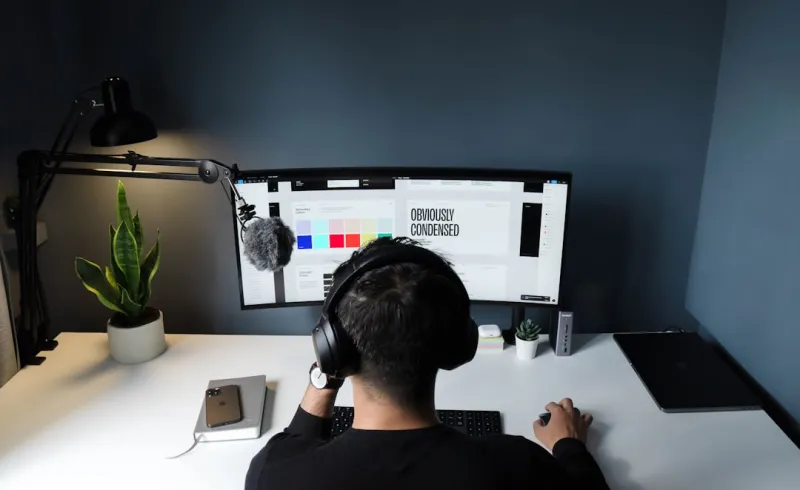
Branding in the Green Era: How Authentic Storytelling Fuels Sustainable Growth
Dale Peterson shares a fresh perspective on modern branding, showing how authentic storytelling, dat... Read More

Branding Beyond the Logo: Designing a Signal‑Rich Ecosystem
Brands now win by orchestrating a system of signals across every touchpoint. This post explores how ... Read More

Branding as the Operating System of SaaS Growth
Branding isn’t just a logo—it’s the operating system that aligns purpose, people, and product ... Read More
Top Posts

When Parenting Meets Remote Work: Crafting Balance Without Losing Yourself
Explore actionable tips for remote-working parents, from fluid boundaries and play‑based productivity to adaptive workspaces and self‑compassion, to create ...Read More
Empowering Everyday Choices: A Personal Journey Through Modern Energy
Discover how everyday decisions, microgrids, and smart software can transform our energy footprint, turning personal insights into collective action for a green...Read More

Education for a Sustainable Future: Why Eco-Friendly Practices Matter in Schools
Education plays a critical role in shaping a sustainable future. Learn why eco-friendly practices matter in schools and how they can empower students to become ...Read More

Game-Changing Tech: How Real-Time Data is Redefining Sports Fanatics
From AR‑enhanced arenas to AI‑driven injury prevention, this deep dive reveals how real‑time data is reshaping every facet of sports, delivering richer fa...Read More
0 Comments
Post Comment
You will need to Login or Register to comment on this post!