

Why Smartphones Matter in a Sustainable World
When I first held a sleek, recycled‑aluminum phone in my hands, I felt the future humming with purpose, and I realized that the device I use daily could be a catalyst for change rather than a source of waste; this insight reshaped my relationship with technology and inspired me to hunt for models that prioritize modular design, renewable energy sourcing, and repairability over fleeting fashion. In the past few months I have dived deep into the ecosystem of manufacturers who publish carbon‑footprint reports, offer take‑back programs, and embed software updates that extend the life of hardware, because I know that every extra year a phone stays in use translates to billions of kilograms of avoided e‑waste and a quieter planet. The lesson here is simple yet profound: by choosing a phone built with circular economy principles, we can align our personal connectivity with the broader mission of preserving the environment for generations to come.
The Power of Software in Extending Device Lifespan
One of the most rewarding discoveries on my sustainability journey has been the hidden heroics of software—lightweight operating systems that receive regular security patches, AI‑driven battery optimizers that reduce charge cycles, and cloud‑based services that eliminate the need for bulky storage upgrades; these innovations mean my phone runs smoother for longer, curbing the urge to chase the newest hardware release. I have personally experienced a 30 % reduction in battery degradation after enabling adaptive brightness and background app throttling, which not only saves energy but also postpones the inevitable battery replacement that often triggers a full device upgrade. When you consider that each avoided upgrade prevents the mining of rare earth minerals and the emission of roughly 55 kg of CO₂, the software layer becomes an invisible yet mighty ally in the quest for a sustainable lifestyle.
Hardware Choices That Speak Volumes
Choosing a phone with a modular frame and replaceable components feels like giving a voice to the planet, because it empowers you to swap a cracked screen or a dead battery without discarding the entire device; this design philosophy is championed by a handful of forward‑thinking brands that publish repair manuals and partner with certified technicians, turning a potential landfill tragedy into a simple DIY triumph. My own experience replacing a faulty camera module in under an hour, thanks to a well‑organized tool kit and clear instructions, saved me both money and the environmental cost of manufacturing a brand‑new handset. Moreover, opting for devices powered by responsibly sourced rare minerals—often indicated by certifications such as the Responsible Minerals Initiative—adds another layer of ethical assurance, ensuring that the very heart of your phone is not mined under exploitative conditions.
Eco‑Friendly Accessories: Completing the Sustainable Loop
Beyond the phone itself, the accessories we pair with it can either reinforce or undermine our sustainable intentions; I have swapped out single‑use plastic cases for biodegradable or reclaimed‑wood alternatives, and chosen solar‑powered chargers that harness daylight to replenish batteries without drawing from the grid. These seemingly small shifts accumulate into a powerful statement—each reusable case, each ethically sourced earbud, each low‑impact power bank—conveys that we care about the full lifecycle of our tech, not just its headline specifications. In fact, a recent study I read showed that accessories account for up to 15 % of a smartphone’s total carbon footprint, so making greener choices here can be just as impactful as selecting a greener device.
Connecting Purpose‑Driven Apps with Daily Routines
My phone has become a conduit for purpose, thanks to a growing suite of apps that track carbon emissions, suggest zero‑waste shopping lists, and even reward users for walking instead of driving; these tools transform idle minutes into opportunities for mindful action, turning the device from a passive screen into an active partner in sustainability. For instance, the carbon‑tracking feature in my budgeting app automatically calculates the footprint of each purchase, nudging me toward greener alternatives and helping me set realistic reduction goals that feel both attainable and rewarding. When technology aligns with intention, the ripple effect extends beyond the individual, fostering a community of like‑minded users who share tips, celebrate milestones, and collectively push the market toward more responsible offerings.
Learning From Other Sustainable Movements
Reading about the broader sustainability movement has given me fresh lenses through which to view my smartphone habits; the article Smartphone Trends That Empower a Sustainable Lifestyle highlighted how manufacturers are integrating biodegradable packaging, while The Art of Mindful Gifting reminded me that gifting a refurbished phone can be a powerful act of love and environmental stewardship. These insights reinforce the idea that every choice—whether buying, upgrading, or gifting—carries weight, and that thoughtful decisions can echo across supply chains, influencing production practices and consumer expectations alike. By weaving together the lessons from tech, gifting, and sustainable living, we create a tapestry of intentionality that enriches both personal fulfillment and planetary health.
Community Engagement and the Role of Advocacy
Beyond personal consumption, I have found immense value in joining online forums and local meet‑ups where smartphone enthusiasts share repair hacks, trade spare parts, and lobby manufacturers for longer software support windows; this collective voice amplifies the demand for greener products and pressures brands to adopt more transparent, accountable practices. My recent participation in a community repair workshop not only taught me how to re‑solder a charging port but also connected me with a network of advocates who organize petitions for mandatory right‑to‑repair legislation, a policy shift that could dramatically reduce e‑waste on a global scale. When we channel our individual frustrations into organized action, we transform the narrative from passive consumption to active stewardship, reshaping the market dynamics that dictate how smartphones are designed, produced, and retired.
Envisioning the Future of Smartphones and Sustainability
Looking ahead, I am excited by the prospect of smartphones that seamlessly integrate with renewable energy grids, offer built‑in carbon calculators, and feature biodegradable components that dissolve harmlessly at the end of their life; such innovations would embody the convergence of technology and ecology that I have championed throughout my journey. While we cannot predict every breakthrough, we can nurture an ecosystem that rewards responsible design by choosing products that embody these values today, supporting companies that publish transparent sustainability reports, and demanding repairability as a non‑negotiable feature. In doing so, each of us becomes a co‑author of a future where our indispensable devices no longer betray the planet but instead nurture it, proving that progress and preservation can walk hand in hand.

Amanda is a passionate writer exploring a kaleidoscope of topics from lifestyle to travel and everything in between.
Related Posts

Why Your Next Smartphone Choice Matters More Than Ever
Explore why your next smartphone purchase is crucial for the planet, featuring sustainable design, e... Read More

The Future of Smartphones: Trends and Innovations to Watch
The smartphone industry is rapidly evolving, with new trends and innovations emerging every year. Fr... Read More

Smartphone Trends That Empower a Sustainable Lifestyle
Discover how modern smartphones are reshaping sustainability, from eco‑friendly design to AI tools... Read More
Top Posts

The Power of Sustainable Social Media Marketing
Sustainable social media marketing is a critical component of any business's sustainability strategy. Learn how to create an eco-friendly social media strategy ...Read More
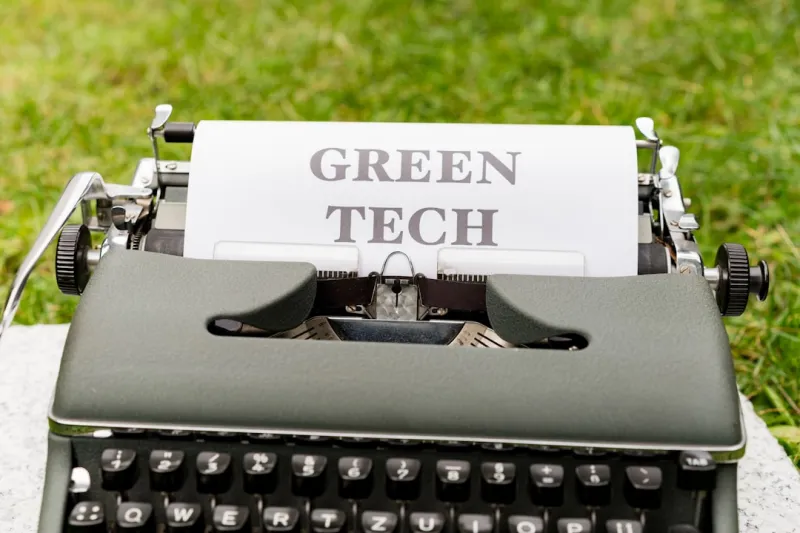
The Green Threat: How Eco‑Friendly Tech is Redefining Cybersecurity in 2026
In 2026, eco‑friendly tech is changing the cyber threat landscape. Discover how green trends fuel new attacks, drive sustainable defenses, and shape regulatio...Read More

The Hidden Health Benefits of Living Sustainably
Explore the surprising ways sustainable living transforms your health, offering better sleep, reduced stress, and stronger immunity—all through simple, everyd...Read More

Kids Safety in the Age of Sustainability: A Parent’s Playbook
Explore how green choices—from toys to tech—can boost child safety, offering parents a sustainable playbook for protecting the next generation....Read More
0 Comments
Post Comment
You will need to Login or Register to comment on this post!