
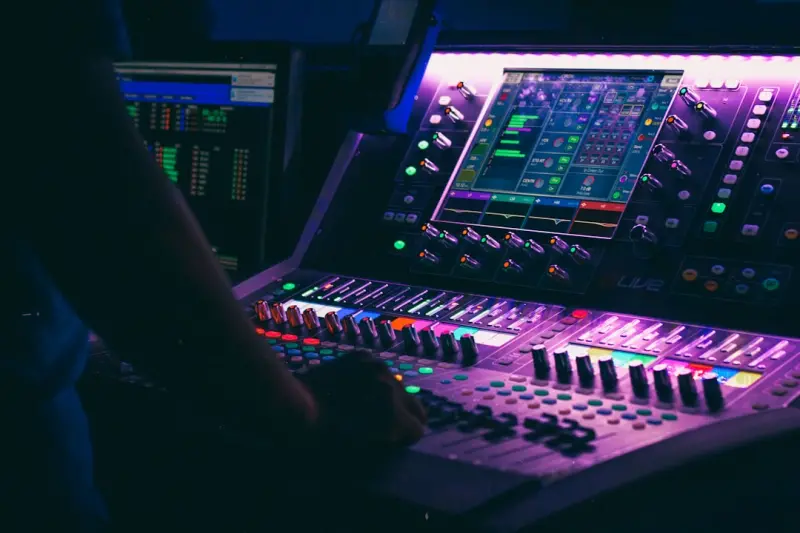
Why Social Audio is the Untapped Goldmine for B2B Marketers
When I first heard about a brand launching a clubhouse‑style room to discuss industry trends, my instinct was to dismiss it as a fleeting fad. Fast forward a few months, and those rooms are now the hottest spots for senior decision‑makers to network, learn, and, most importantly, evaluate vendors. Social audio isn’t just a buzzword; it’s a real‑time, conversational hub where the very people you want to sell to are already hanging out.
The Shift From Static Posts to Live Conversations
Traditional social media marketing has relied heavily on static content—images, short videos, and text posts. While those formats still have a place, they’re increasingly competing for attention in a saturated feed. Social audio flips the script by removing the visual noise and placing voice at the forefront. In a live conversation, listeners are forced to focus, making the message more memorable.
From my experience running multiple B2B campaigns, I’ve seen three distinct advantages emerge:
- Authenticity at Scale: Hearing a genuine voice, with its pauses, inflections, and occasional “ums,” builds trust faster than a polished video.
- Immediate Feedback Loop: Audience questions appear in real time, allowing marketers to pivot the discussion on the fly.
- Community‑First Distribution: Participants often share recordings or highlights within their own networks, amplifying reach without extra spend.
Mapping the Social Audio Landscape for B2B
Not all platforms are created equal. Here’s a quick map of the current ecosystem and where B2B marketers can find the most traction:
- Clubhouse & Twitter Spaces: Ideal for thought‑leadership panels, product demos, and Q&A sessions. The invite‑only nature of many rooms creates an air of exclusivity that resonates with senior execs.
- LinkedIn Audio Events: Naturally aligned with professional audiences, these events integrate with existing LinkedIn pages, making promotion and follow‑up seamless.
- Spotify Podcasts + Live Sessions: While not a “social” platform per se, the addition of live listener interaction during recordings is turning podcasts into interactive forums.
Strategic Playbook: From Concept to Conversion
Below is a step‑by‑step framework I’ve refined over the past year. Treat it as a living document—adjust it as you gather data and listen to your audience.
1. Define a Hyper‑Specific Value Proposition
Don’t aim for “industry trends.” Choose a laser‑focused topic that solves a pain point for a niche segment. For example, “Scaling SaaS Security in a Zero‑Trust World” directly appeals to CIOs and security leads.
2. Curate a Guest List That Signals Credibility
Invite one or two recognized experts and a few high‑profile customers who can share real‑world outcomes. The presence of known names raises the perceived value of the session and draws in a quality audience.
3. Leverage Data‑Driven Storytelling to Shape the Narrative
Before you go live, gather actionable insights—survey results, usage stats, or market research. Embed those numbers into your conversation to demonstrate depth. Need a quick reference? Check out this guide on real‑time insights that can turn raw data into compelling stories.
4. Promote Through Multi‑Channel Teasers
Use short video clips, quote graphics, and even a single‑sentence email subject line that highlights the guest’s name and the problem being solved. The goal is to create FOMO without overwhelming the inbox.
5. Host the Live Session with a Structured Flow
Break the hour into three parts: (1) Context & Data – set the stage with hard facts; (2) Expert Dialogue – let the guests dive deep; (3) Live Q&A – address audience questions. This format respects time while maximizing value.
6. Capture and Repurpose the Content
Record the audio, transcribe key takeaways, and turn them into a human intent‑focused blog post, an infographic, and a short video snippet. Each repurposed asset becomes a new entry point for prospects who missed the live event.
7. Follow‑Up With a Personalized Playbook
Send attendees a concise PDF that outlines the main points, includes a custom ROI calculator, and offers a direct line to schedule a deeper discovery call. This step converts curiosity into qualified leads.
Measuring Success: Metrics That Matter
Social audio introduces a blend of classic and novel metrics. Here’s what I track religiously:
- Live Attendance Rate: The percentage of registered users who actually join the session.
- Engagement Score: A weighted sum of comments, questions, and poll participation.
- Post‑Event Conversion: Number of attendees who download the follow‑up playbook or book a call within 14 days.
- Organic Amplification: Shares, mentions, and clips posted by participants on other platforms.
When these numbers align—high attendance, strong engagement, and solid conversion—you’ve hit the sweet spot where conversation turns into pipeline.
Common Pitfalls and How to Avoid Them
Even with a solid plan, many marketers stumble. Here are the three most frequent mistakes I see, plus quick fixes.
- Over‑Selling: Listeners can smell a hard sell a mile away. Keep the conversation educational; let the product benefits emerge organically.
- Technical Glitches: Poor audio quality kills credibility. Invest in a good microphone, test the platform a day before, and have a backup connection ready.
- Neglecting the Afterlife: The session ends, but the conversation shouldn’t. Schedule a follow‑up thread, a private community space, or a series of micro‑episodes that keep the momentum alive.
Case Study: Turning a 30‑Minute Space into a $250K Pipeline
One of our SaaS clients, a cybersecurity platform, ran a 30‑minute LinkedIn Audio Event titled “Zero‑Trust Strategies for Rapid Growth.” They invited a well‑known security analyst and two CIOs who shared concrete deployment stories.
Key outcomes:
- 5,200 registrations, 3,800 live listeners (73% attendance).
- Average engagement score of 4.7/5 (based on live poll responses and Q&A volume).
- 150 attendees downloaded the post‑event ROI calculator.
- 48 qualified discovery calls booked within two weeks, resulting in a $250,000 pipeline.
The secret? They leveraged data‑driven storytelling to frame each anecdote with measurable outcomes, and they followed up with a hyper‑personalized playbook that spoke directly to each attendee’s industry.
Future Trends: Where Social Audio Is Headed
Looking ahead, three trends will shape how B2B marketers use social audio:
- AI‑Enhanced Summaries: Real‑time transcription and AI‑generated highlights will make it easier for busy execs to consume key points.
- Integrated Lead Capture: Platforms will embed forms directly into the audio interface, allowing listeners to request more info without leaving the session.
- Hybrid Audio‑Video Experiences: Expect a blend where audio remains primary but optional video streams provide visual context for product demos.
Staying ahead means experimenting now, capturing data, and iterating quickly. The sooner you build a social‑audio habit, the faster you’ll turn conversations into revenue.
Action Checklist: Launch Your First B2B Social Audio Event
Ready to dive in? Use this quick checklist to ensure you cover every critical step:
- ✅ Identify a niche pain point and craft a value‑focused title.
- ✅ Secure 1–2 industry experts and 1–2 customer champions.
- ✅ Gather supporting data (stats, case studies, ROI figures).
- ✅ Create a teaser bundle (short video, quote graphic, email copy).
- ✅ Set up the audio platform, test equipment, and rehearse the flow.
- ✅ Promote via email, LinkedIn, and partner channels.
- ✅ Host live, follow the structured agenda, and engage the audience.
- ✅ Record, transcribe, and repurpose the content across owned media.
- ✅ Send a personalized follow‑up playbook with a clear CTA.
- ✅ Track attendance, engagement, and post‑event conversions.
Cross off each box, and you’ll have a repeatable engine that turns casual listeners into high‑intent prospects.
Final Thoughts: Speak, Listen, Convert
Social media marketing has long been about visual storytelling, but the next frontier is auditory. When you give your audience a stage to speak, you earn the right to listen—and ultimately, to sell. By treating each conversation as a data point, you can refine your messaging, deepen relationships, and build a pipeline that feels less like a cold outreach sprint and more like a natural, ongoing dialogue.
If you’re ready to experiment, start small—a 20‑minute “Ask Me Anything” with a product engineer—and let the metrics guide you. The voice of your market is waiting; all you have to do is turn the mic on.

David Moore is a freelance writer specializing in two dynamic and ever-evolving fields: gambling and the tech industry. With a keen eye for detail and a knack for unraveling complex topics, David delivers insightful and engaging content that keeps readers informed and entertained.
Related Posts

Listening to the Noise: How Social Audio Is Redefining B2B Marketing
Social audio is turning the traditional scroll‑and‑stop model on its head, offering B2B marketer... Read More
Social Listening Secrets: How B2B SaaS Brands Turn Real‑Time Chatter into Product Gold
Social listening transforms raw social media chatter into actionable product insights, drives microâ... Read More

From Data to Dialogue: Turning Social Listening Into B2B Growth Engine
Discover a practical framework that transforms social media chatter into strategic insight, enabling... Read More
Top Posts

Software‑Defined Vehicles Are Redefining Car Ownership
Software‑defined vehicles turn cars into evolving platforms, offering OTA upgrades, proactive maintenance, wellness‑focused interiors, and flexible subscrip...Read More

Your Everyday Cyber‑Safety Playbook: Small Steps, Big Protection
A step‑by‑step guide to weaving simple, repeatable security habits into your daily routine, ensuring your online presence stays safe without overwhelming yo...Read More

Smart Gear, Wild Trails: The New Frontier of Outdoor Play
A deep dive into how connected devices, real‑time community insights, and AI are transforming outdoor recreation, making adventures safer, more personalized, ...Read More

The Intersection of Online Safety and Sustainable Practices
Explore the critical connection between online safety and sustainable practices. Learn how sustainable practices can help create a safer online environment....Read More
0 Comments
Post Comment
You will need to Login or Register to comment on this post!